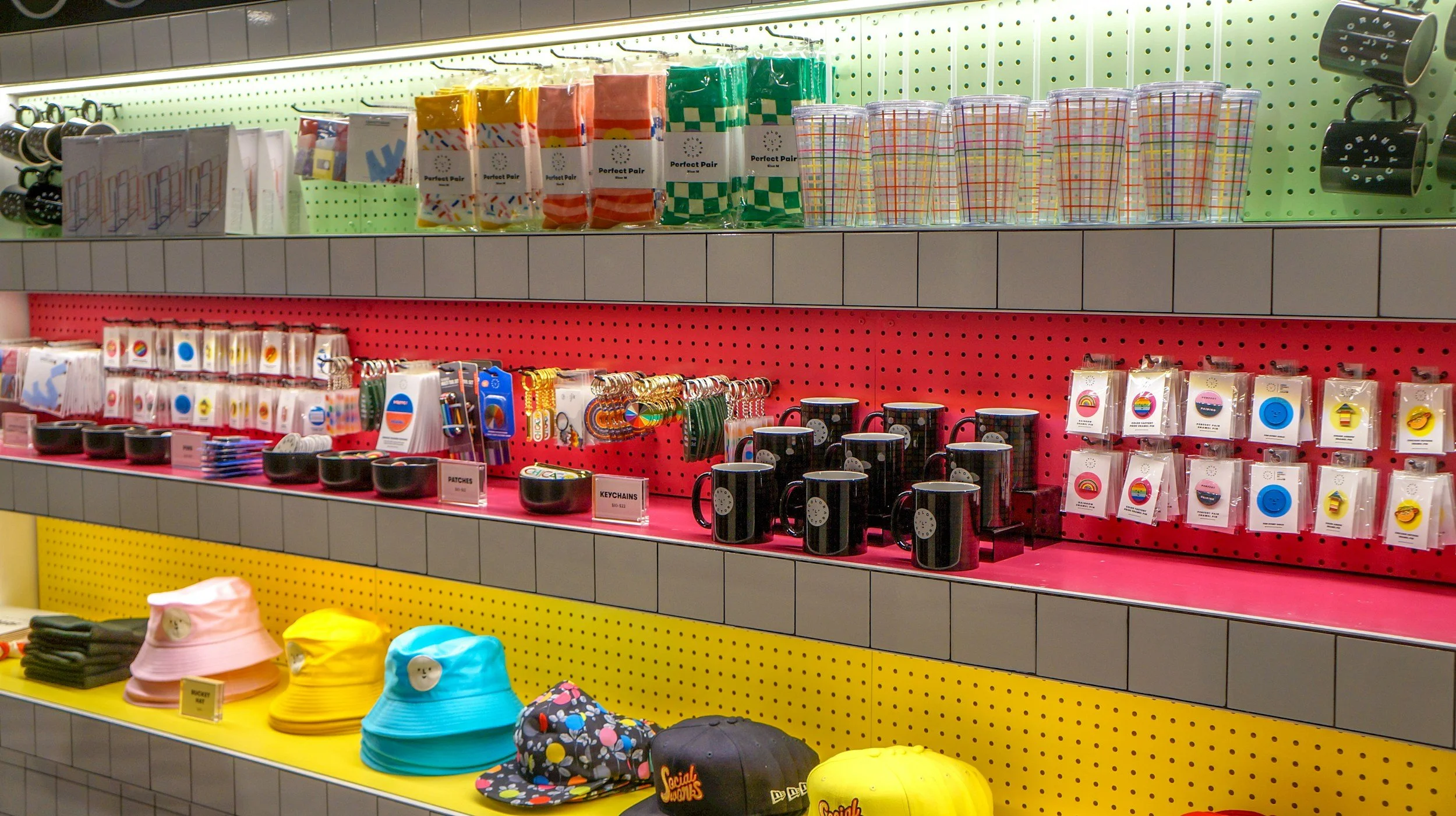
From Freebie to Sales Tool: How Promotional Products Support the Customer Journey
Introduction
Promotional products are often described as giveaways, but the best campaigns treat them as sales tools. A product can introduce a brand, reinforce a conversation, support a follow-up and keep customers engaged after purchase. When merchandise is mapped to the customer journey, it becomes more strategic and easier to measure.
For businesses planning merchandise around awareness, leads and retention, GoPromotional offers a practical route to branded merchandise that is selected with audience needs, campaign goals and long-term visibility in mind. The aim is not simply to print a logo on a product, but to choose items that people will keep, use and associate with a positive brand experience.
By thinking carefully about usefulness, audience fit and campaign timing, organisations can turn merchandise into a measurable support for awareness, loyalty and sales.
Awareness: Making the Brand Memorable
At the top of the funnel, promotional products help make a brand tangible. A tote bag at an event, a pen in a direct mail pack or a bottle at a community day can create a first impression that feels more personal than an online ad. The objective here is not immediate sales alone; it is recognition. The product should be useful enough to earn attention and simple enough to communicate the brand clearly.
Consideration: Building Familiarity and Trust
During consideration, prospects are comparing options. A practical branded item can keep the company visible while that decision is taking place. For example, a notebook sent after a consultation, a mug included with a proposal or a desk item given to a warm lead can help maintain familiarity. This is where quality matters. A product that feels well chosen can suggest that the business is organised, thoughtful and dependable.
Conversion: Supporting the Next Step
Merchandise can also support conversion when it is connected to a clear action. A product might include a QR code to book a demo, a campaign landing page, a referral offer or a post-event resource. The item itself should not do all the work; it should support a wider route to action. This is especially useful for trade shows, direct mail, account-based marketing and local campaigns where a physical reminder can nudge the prospect back into the sales process.
Retention: Keeping Customers Engaged After Purchase
After a customer buys, merchandise can reinforce the relationship. A branded gift in an onboarding pack, renewal thank-you or seasonal campaign can make customers feel valued. ASI research showing that 76% of consumers are more likely to do business with brands that provide branded merch supports the commercial logic of this approach. Products used regularly can help maintain goodwill between purchase cycles and keep the company top of mind for future needs.
Practical Questions to Ask Before Ordering
Before placing an order, businesses should ask who will receive the product, where it will be used, what action should happen next and how success will be measured. They should also check lead times, artwork requirements, packaging, sustainability credentials and whether the product quality matches the brand promise. These questions help move merchandise decisions away from guesswork and towards a more useful, people-first campaign.
Practical Questions to Ask Before Ordering
Before placing an order, businesses should ask who will receive the product, where it will be used, what action should happen next and how success will be measured. They should also check lead times, artwork requirements, packaging, sustainability credentials and whether the product quality matches the brand promise. These questions help move merchandise decisions away from guesswork and towards a more useful, people-first campaign.
Key Data Points
76% of consumers are more likely to do business with brands that provide branded merchandise.
Promotional products can support multiple stages of the customer journey.
Conclusion
Promotional products deliver their strongest value when they are planned around the customer journey. By matching the right item to the right stage, businesses can build awareness, support sales conversations and create longer-lasting customer relationships.