From Fabric Selection to Fitting: Creating a Linen Suit
A linen suit has a distinctive character. Its natural texture creates a relaxed finish, while its breathable feel makes it popular in warmer weather. But choosing linen is only the first step. The cloth must suit the design, measurements and intended use.
A bespoke linen suit brings these choices together through a personal tailoring process. From selecting samples to reviewing the fit, each stage shapes the result. Understanding the process helps clients make informed decisions about a garment built around their preferences.
Start with the Purpose of the Suit
Before looking at fabric samples, consider when and where the suit will be worn. A garment for a summer wedding may call for a different colour and level of formality from a suit intended for business meetings or relaxed events. The occasion also influences details such as the jacket's structure, trouser shape and choice of accessories.
Consider how often the suit will be worn and which clothes it should coordinate with. A versatile shade may work with several shirts, while a distinctive colour may suit specific occasions. Sharing these preferences gives the tailor a clear design direction. It also helps establish whether the suit should feel formal, versatile or relaxed, and which details deserve the most attention during the consultation.
Read the Character of Each Linen Cloth
Linen is made from flax fibres and is known for its breathable feel and visible natural texture. Different cloths can vary in weight, weave, softness and surface. A lighter fabric may feel airy, while a denser one can provide more body. The choice should reflect the climate, the intended use and the level of structure the wearer prefers.
Linen creases more readily than many suiting materials. This is part of its character, not necessarily a fault. Some people appreciate the relaxed finish; others may prefer a blend with different crease behaviour. Discussing these expectations before choosing helps avoid surprises. It is useful to ask how the cloth may soften with use and whether its texture is likely to change after cleaning. The tailor can also explain whether the fabric needs a lining or a lighter internal structure to achieve the preferred finish.
Compare the Fabric Before Making a Choice
Look beyond colour when assessing samples. Handle the cloth, notice its drape and ask how it may behave during regular wear. A tailor can explain the options and match the material to the intended design.
Weight: Check whether the fabric feels suitable for the climate and season.
Weave: Notice whether the surface is open, closed, smooth or textured.
Drape: See how the cloth falls when held and whether it has the desired movement.
Colour: Consider how easily the shade will coordinate with shirts and footwear.
Composition: Confirm whether the material is pure linen or a blend.
Maintenance: Ask about cleaning, pressing and storage requirements.
Choose the cloth that meets both practical and visual needs. The most expensive option is not automatically best. Suitable fabric should support the style, feel comfortable and work with the planned construction.
Shape the Design Around the Material
The design stage turns the fabric choice into a garment. Linen can suit a relaxed appearance, but the style depends on preference. Lapel width, buttons, pockets, jacket length and shoulder structure all affect the result. These details should complement the cloth's texture.
Trousers also influence the outfit's balance. A straight, tapered or relaxed cut creates a different effect. The tailor can ensure that the jacket and trousers work together. Pocket details, waistband design and the amount of break at the shoe can then be considered as part of one complete look.
Turn Measurements into a Working Pattern
Measurements provide the basis for a garment that follows the wearer's proportions. The tailor considers shoulders, chest, waist, sleeves, posture and trouser dimensions. Ease matters too: the suit should allow movement without pulling or looking too loose.
1. Recording the Wearer's Measurements
Measurements are checked against the preferred fit. Posture and proportions affect how a jacket sits, so the process goes beyond standard sizes. Discussion establishes whether the wearer prefers a close outline or more room.
2. Translating Measurements into a Pattern
The pattern turns those details into garment pieces. The tailor plans shaping and seam allowances around the cloth's weight and behaviour before cutting. This provides a clear guide for assembling the jacket and trousers accurately.
3. Cutting with Care
The cloth is laid flat and cut along the pattern and grain. Linen can shift, so careful positioning helps each piece retain its intended shape.
4. Constructing the Jacket and Trousers
The jacket is assembled with attention to the shoulders, fronts, collar and sleeves. Internal support should suit the cloth without making it stiff. Trouser construction considers the rise, waistband, seat, leg and hem. A well-cut pair of linen trousers men can wear should complement the jacket and suit the intended occasion.
5. Completing the Finishing Details
The tailor checks seams, buttons, hems and pressing. Linen needs suitable heat and moisture because excessive pressure can affect its surface. Careful finishing preserves its natural texture.
Use the Fitting to Refine the Result
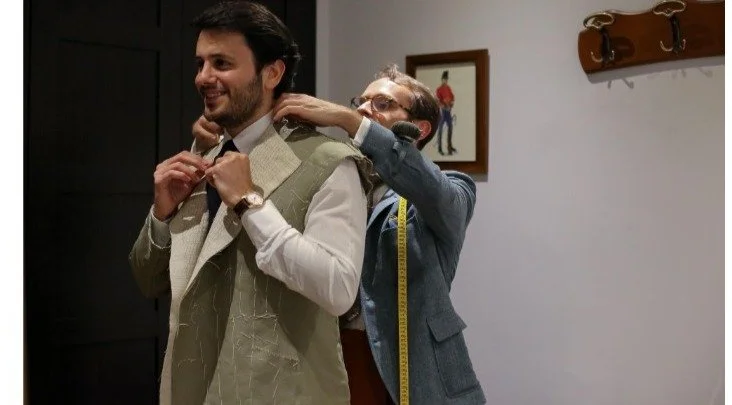
A fitting shows how the garment behaves on the body. The tailor checks shoulders, chest, sleeves, waist and trouser break. The wearer should walk, sit and move their arms to reveal restrictions that measurements alone may not show.
Adjustments may refine the waist, sleeve length or trouser hem. The aim is a balanced fit that allows movement and respects linen's relaxed character. The suit need not remain crease-free; its proportions should look considered when worn.
Conclusion
A well-planned linen suit involves more than attractive fabric. The occasion, cloth, design, measurements, construction and fitting all influence the result. Careful decisions help create an outfit that feels comfortable, looks balanced and suits its purpose. Each stage builds on the one before it, so early choices should be made with the finished garment in mind.
For those considering a linen blazer or a complete bespoke outfit, Libas Legacy offers tailoring for men and women, including fabric selection, individual measurements, fittings and garment refinement. Clients can discuss their preferred design, fit and finishing details.