From Comfort to Character: What Wood Adds to Every Space
Wood is more than just a building material. It’s a timeless element that can instill warmth and personality in any environment. The versatility of wood allows it to adapt to various styles, creating a sense of comfort and character.
From rustic charm to modern elegance, wood plays a role in improving both the aesthetic and functional aspects of spaces. This article explores the multifaceted nature of wood in design and its impact on different environments.
Visual Appeal and Aesthetic Versatility
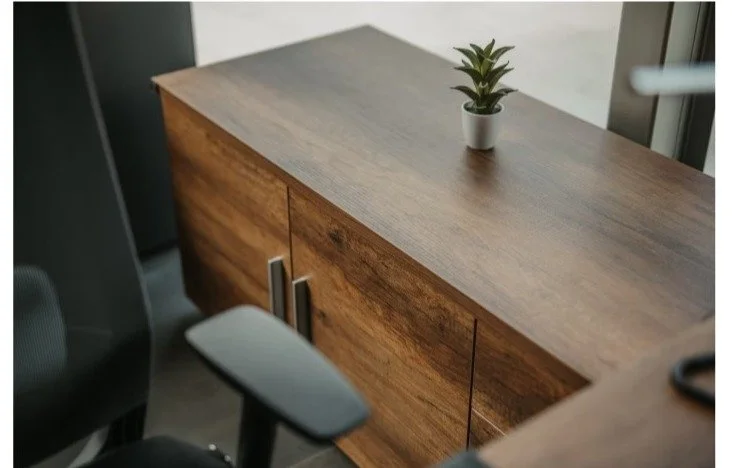
Wood introduces a natural element that improves visual appeal in both residential and commercial spaces. Its textures, patterns, and colors vary widely, allowing for creative expression.
Whether it’s the rustic look of reclaimed barn wood or the sleek finish of modern plywood, wood can complement any design vision. Natural materials have a way of bringing the outdoors inside and promoting tranquility in spaces.
The grain patterns found in different types of wood can serve as dynamic focal points in interiors, guiding the eye and defining spaces. Wood blends well with various materials, from metals to fabrics, amplifying design flexibility.
Incorporating wooden elements helps achieve that warm, inviting feeling often sought in home design. Research shows that people respond positively to wood, associating it with comfort and warmth. As such, using wood effectively can make spaces more appealing to both occupants and visitors.
Sustainability and Ethical Sourcing
As the world becomes increasingly conscious of environmental impacts, the sourcing of materials like wood plays a significant role. Getting sustainable timber from a trusted source benefits the environment and guarantees that the wooden products consumers buy support responsible forestry practices. Sustainable wood comes from responsibly managed forests, where trees are harvested in a way that maintains the ecosystem's health.
This approach contributes to biodiversity, helps combat climate change, and promotes soil conservation. Homeowners and designers can create tranquil places and support environmental initiatives by selecting sustainable wood items.
Certifications such as the Forest Stewardship Council (FSC) label help consumers identify responsibly sourced wood. This supports sustainable practices and guarantees that local communities benefit financially from forestry efforts.
By prioritizing sustainability, individuals can contribute to a more balanced relationship between nature and human habitation and enjoy the beauty and utility that wood provides. This thoughtful approach to material selection makes aesthetic sense and ethical sense.
The Acoustic Benefits of Wood in Design
Acoustic performance is a critical aspect of interior design, often overlooked. Wood can play a significant role in enhancing sound quality within a space. Its porous and fibrous structure helps dissipate sound, preventing echoes and improving acoustics.
In environments like offices, schools, and homes, managing sound can greatly influence productivity and comfort. Wood panels, ceilings, and flooring can absorb sound, making spaces quieter and more comfortable.
Incorporating wood elements into these environments creates pleasant auditory experiences that contribute to well-being. The material's natural sound insulation capabilities can improve privacy in communal settings.
Health Benefits Associated with Wooden Interiors
The use of wood in interiors isn’t merely a design choice. It can contribute to occupants’ health. Studies have shown that spending time in wood-filled environments can reduce stress and promote relaxation.
The natural look of wood can instill a sense of calm, developing a better emotional atmosphere. Wood has hygroscopic properties, meaning it can naturally regulate humidity levels in living spaces.
This capability helps improve indoor air quality by maintaining balanced water levels, which can alleviate respiratory issues often associated with artificial materials.
Wood surfaces are less likely to trap dust and allergens compared to synthetic options. Wooden interiors can positively influence people’s mental well-being. Engagement with natural materials creates a holistic environment that promotes physical and psychological health.
Aesthetically pleasing environments combined with healthy materials improve quality of life. People who choose wood improve the aesthetics of their rooms and grow a healthier living environment.
Wooden Flooring: A Practical Choice
Choosing wood flooring transcends mere aesthetics. It marries practicality with beauty. Wooden floors can withstand the wear and tear of daily life and offer timeless elegance. Properly maintained wooden floors can last decades, making them a sound investment.
They provide good thermal insulation, helping to keep interiors warm during colder months and cool in warmer seasons. This natural insulation reduces energy consumption, benefiting both the environment and homeowners' finances.
Many wooden floor options are available in various styles, finishes, and colors, allowing for unique customization that fits one’s personal taste. Wooden flooring is easier to clean and maintain compared to carpets that can trap dirt, allergens, and stains.
Wood is naturally resistant to bacteria and germs, making it a hygienic choice for families and individuals alike. The practical advantages paired with the warmth and character wood brings make it an enduring favorite among homeowners and designers.
A Lasting Investment in Design
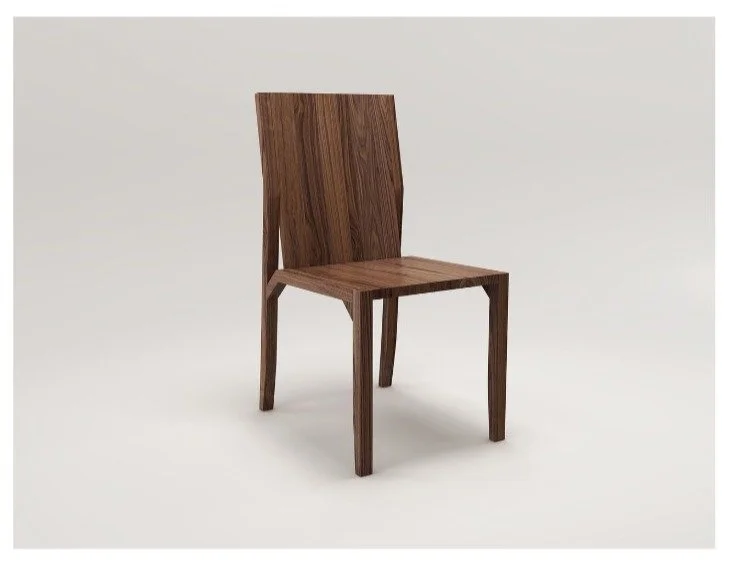
Investing in wood as a design element can yield substantial returns, both in aesthetic appeal and monetary value. Spaces characterized by high-quality wood finishes tend to have increased resale values, making them desirable in real estate markets.
Homeowners who prioritize wood elements often find that this investment pays off when it comes to attracting potential buyers. Unlike trends that may come and go, wood transcends time, making it a sustainable choice for enduring design.
Its versatility allows adaptation to evolving tastes, still maintaining a classic charm that appeals across generations. By choosing high-quality wood and craftsmanship, designers and homeowners alike guarantee that their spaces remain relevant and desirable.
Beyond mere decoration, wood completes environments by establishing a connection between the interior layout and the surrounding nature. This connection enriches people's experiences within a space, making wood not only a design choice but a lifestyle improvement.