Furnace Installation Best in Chandler, AZ: Reliable
Recognizing When It Is Time for Furnace Replacement
Even in a mild desert climate like Chandler, your furnace works hard during the cooler months. Understanding when your heating system is nearing the end of its functional life or becoming inefficient is crucial for maintaining comfort and managing utility costs. Furnaces generally last between 15 to 30 years, depending on their type, how often they're used, and how well they've been maintained. As systems age, they often show several signs that indicate it’s time to consider a replacement rather than continued repairs.
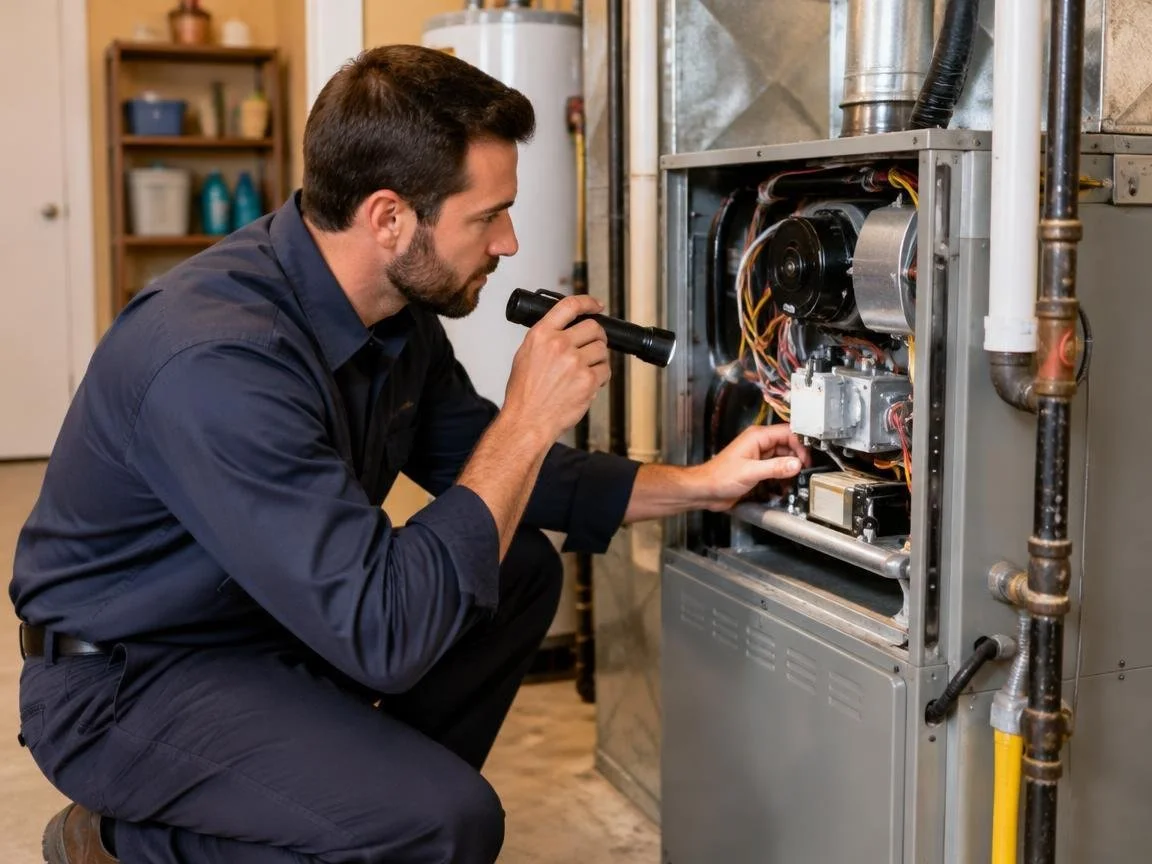
One of the most obvious indicators is a significant increase in heating costs without a corresponding change in usage. An aging furnace becomes less efficient, requiring more energy to produce the same amount of heat. Other common signs include uneven heating throughout your home, where some rooms are too cold while others are too warm, or a furnace that frequently cycles on and off (short cycling).
Frequent repairs are another strong signal. If you find yourself calling for service every year, or if repair costs are starting to approach the price of a new unit, replacement often becomes the more cost-effective long-term solution.
Critical Warning Signs for Immediate Attention:
Beyond efficiency issues, certain furnace problems pose serious safety risks and require immediate attention, often indicating a need for replacement:
Cracks in the Heat Exchanger: This is a highly dangerous issue. A cracked heat exchanger can leak carbon monoxide, an odorless, colorless, and potentially lethal gas, into your home. If a technician identifies a crack, immediate shutdown and replacement are usually recommended.
Yellow Pilot Light or Soot Buildup: For gas furnaces, a healthy pilot light should be blue. A yellow or flickering pilot light, or the presence of soot around the furnace, can indicate incomplete combustion, which also produces carbon monoxide.
Strange Noises or Odors: Grinding, squealing, or banging noises can signal mechanical problems. Persistent burning smells, metallic odors, or a strong gas smell should never be ignored.
Frequent Cycling: While some cycling is normal, if your furnace turns on and off constantly, it might be improperly sized, have a faulty thermostat, or be experiencing internal issues that lead to excessive wear and tear.
When faced with these critical issues, especially those related to carbon monoxide, it's not just about comfort or cost—it's about safety. In such cases, replacing the furnace is not merely an upgrade but a necessity.
Comparing Heating Systems: Gas, Electric, and Hybrid Heat Pumps
Choosing a new furnace in Chandler, AZ, involves understanding the different types of heating systems available and how they perform in our unique desert climate. Each system has distinct advantages and considerations regarding efficiency, operating costs, and environmental impact.
Natural Gas Furnaces: These are a popular choice in areas with natural gas lines. They typically offer powerful, consistent heat and are often more cost-effective to operate than electric resistance furnaces, especially when gas prices are favorable. Gas furnaces heat air quickly and distribute it through ductwork.
Electric Furnaces: Electric resistance furnaces convert electricity directly into heat. They are generally less expensive to install than gas furnaces because they don't require gas lines or venting. However, they can be more costly to operate in regions where electricity rates are high, as they are less efficient at converting energy into heat compared to heat pumps.
Hybrid Heat Pumps (Dual Fuel Systems): These systems combine an electric heat pump with a traditional gas furnace. The heat pump handles heating and cooling for most of the year, operating very efficiently. When temperatures drop significantly (typically below freezing, though less common in Chandler), the gas furnace kicks in as a supplementary heat source, providing powerful warmth when the heat pump's efficiency decreases. This offers the best of both worlds: high efficiency for moderate temperatures and robust heating for colder periods.
Given Chandler’s climate, which experiences mild winters with occasional cold snaps, a hybrid heat pump system can be an excellent choice. It efficiently handles the majority of the heating demand with its electric heat pump, and the gas furnace provides reliable backup for those colder desert nights. Electric furnaces are viable but can lead to higher utility bills, while natural gas furnaces remain a solid, reliable option.
Here’s a comparison of these common heating systems:
Feature Natural Gas Furnace Electric Furnace Hybrid Heat Pump (Dual Fuel) Energy Source Natural Gas Electricity Electricity (heat pump) & Natural Gas (furnace) Efficiency Good (AFUE ratings 80-98.5%) Moderate (100% efficient at converting electricity to heat, but electricity cost can be high) Excellent (high SEER/HSPF for heat pump, good AFUE for furnace) Installation Requires gas line, venting Simpler, no gas line/venting needed More complex, requires gas line and electrical Operating Cost Generally lower than electric resistance in AZ Can be higher than gas or heat pump in AZ Often lowest due to efficient heat pump operation Lifespan 15-20 years (furnace component) 20-30 years 15-20 years (heat pump), 20-30 years (furnace) Climate Suitability Excellent for consistent, powerful heat Good for mild climates, backup heat Ideal for Chandler's mild winters and hot summers Award-Winning Chandler Furnace Installation Standards for Energy Efficiency
When considering a new furnace, energy efficiency is a paramount factor, directly impacting your monthly utility bills and environmental footprint. The primary measure of a furnace's heating efficiency is its Annual Fuel Utilization Efficiency (AFUE) rating. This percentage indicates how much of the fuel consumed is converted into usable heat, with the remainder lost through the chimney or elsewhere.
For instance, an 80% AFUE furnace converts 80% of its fuel into heat, while 20% is lost. High-efficiency condensing furnaces typically boast AFUE ratings of 90% or higher, sometimes reaching up to 98.5%. These systems capture heat from exhaust gases that would otherwise be vented, significantly reducing waste.
Upgrading to a high-efficiency furnace offers numerous benefits:
Lower Operational Costs: A more efficient system uses less fuel to heat your home, leading to noticeable savings on your utility bills over the furnace's lifespan.
Enhanced Comfort: Modern, high-efficiency furnaces often provide more consistent and even heating throughout your home.
Reduced Carbon Footprint: By consuming less energy, you contribute to a more sustainable environment.
Potential for Rebates and Tax Credits: As of October 2026, homeowners in Chandler, AZ, may still be eligible for local utility rebates from providers like SRP and APS, and potentially federal tax credits, for installing high-efficiency heating and cooling systems. These incentives can significantly offset the initial investment, making the upgrade even more appealing. We always recommend checking with your utility providers and a qualified installer for the most current information on available programs.
What to Expect During an Award-Winning Chandler Furnace Installation
A professional furnace installation is a multi-step process designed to ensure your new system operates safely, efficiently, and reliably for years to come. It's more than just swapping out an old unit for a new one; it involves careful planning, precise execution, and adherence to local codes.
The process typically begins with a thorough assessment of your home's heating needs. This often includes a Manual J load calculation, which precisely determines the heating requirements based on factors like square footage, insulation levels, window types, and local climate data. This calculation ensures your new furnace is perfectly sized—not too big, not too small—to avoid issues like short cycling or inadequate heating.
Next, the installation team will inspect your existing ductwork to ensure it can adequately handle the airflow of the new system. Any necessary repairs or modifications to the ducts will be addressed to maximize efficiency and comfort. The old furnace will then be carefully removed and properly disposed of, adhering to environmental regulations.
The installation of the new unit involves connecting it to the existing gas lines (for gas furnaces), electrical supply, and ductwork. Proper venting is crucial for gas furnaces to safely expel combustion byproducts. The installer will also set up the thermostat and test the entire system to ensure it's operating correctly and safely.
A typical furnace installation can take anywhere from 4 to 18 hours, depending on the complexity of the job, whether ductwork modifications are needed, or if a conversion from one fuel type to another is occurring. Most standard replacements can often be completed within a single day. For a detailed look at what goes into a high-quality installation, you can explore what constitutes an award-winning Chandler furnace installation and why it makes a difference.
Sizing and Load Calculations for Desert Climates
In Chandler's unique climate, proper furnace sizing is paramount. An oversized furnace will "short cycle," meaning it turns on and off too frequently. This wastes energy, causes uneven heating, and puts unnecessary wear and tear on components, shortening the system's lifespan. Conversely, an undersized furnace will struggle to heat your home adequately during colder periods, leading to discomfort and excessive run times.
A professional installer will perform a detailed Manual J load calculation, which considers more than just your home's square footage. It accounts for:
Thermal Boundary: The quality of your home's insulation in walls, attic, and floors.
Window Orientation and Type: How much heat is gained or lost through windows, especially those facing south or west in the desert sun.
Air Infiltration: How much outside air leaks into your home.
Occupancy and Internal Heat Gains: The number of people living in the home and heat generated by appliances.
This meticulous approach ensures your furnace delivers optimal comfort and efficiency, minimizing energy waste and maximizing system longevity, even with Chandler's mild but sometimes unpredictable winter temperatures.
Why Award-Winning Chandler Furnace Installation Relies on Proper Permitting and Warranties
Choosing a reputable installer means ensuring all work complies with local regulations and comes with robust protections. In Chandler, municipal codes govern furnace installations to guarantee safety and proper operation. A professional installer will handle all necessary permits before beginning work, ensuring the installation meets building safety standards and passes required inspections. This protects you from potential fines, future complications, and ensures your home's insurance remains valid.
Beyond permits, understanding warranties and guarantees is vital. Most new furnaces come with a manufacturer's warranty, typically covering parts for 10 years. However, the labor warranty is provided by the installer and can vary significantly. A reliable installer will offer a comprehensive labor warranty, often for one to two years, covering any issues arising from the installation itself.
When discussing warranties, inquire about:
Parts Warranty: How long the manufacturer covers components.
Labor Warranty: How long the installer guarantees their work.
Extended Warranties: Are there options for extending coverage?
Transferability: Can the warranty be transferred if you sell your home?
These protections offer peace of mind, knowing that your investment is secure and that any potential issues will be addressed promptly and professionally.
Frequently Asked Questions About Furnace Installation in Chandler
We often receive questions from homeowners in Chandler, AZ, about the furnace installation process. Here are answers to some of the most common inquiries.
How long does a furnace installation take in Chandler homes?
The duration of a furnace installation can vary based on several factors, but most standard replacements are completed within a single day. On average, you can expect the process to take between 4 to 18 hours. This timeline includes removing the old unit, installing the new furnace, making necessary connections to gas lines or electrical systems, modifying ductwork if required, and thoroughly testing the system. More complex installations, such as converting from an electric furnace to a gas one, or significant ductwork overhauls, might extend the project into a second day. However, our goal is always to minimize disruption and restore your home's comfort as quickly and efficiently as possible.
What is the average lifespan of a furnace in Arizona?
Furnaces in Arizona homes, like those elsewhere, typically have a lifespan of 15 to 30 years. This range depends heavily on the type of furnace, its usage patterns, and the consistency of routine maintenance. Given Chandler's mild winter climate, furnaces here might not run as continuously as in colder regions, which can sometimes contribute to a longer lifespan. However, the quality of installation and annual professional maintenance are key determinants. Regular tune-ups help identify and address minor issues before they become major problems, ensuring your system operates efficiently and reliably for its maximum potential.
Are utility rebates available for upgrading to a high-efficiency furnace?
Yes, as of October 2026, homeowners in Chandler, AZ, can often find various incentives for upgrading to high-efficiency heating and cooling systems. Local utility providers like SRP (Salt River Project) and APS (Arizona Public Service) frequently offer rebates for installing ENERGY STAR® certified furnaces, heat pumps, and other energy-efficient HVAC equipment. Additionally, federal tax credits may be available for certain high-efficiency systems. These programs are designed to encourage energy conservation and can significantly reduce the upfront cost of your new furnace. We highly recommend checking the official websites of SRP and APS or consulting with your chosen furnace installer for the most current information on available rebates, eligibility requirements, and application processes. These incentives can make upgrading to a more efficient system even more financially advantageous.
Conclusion
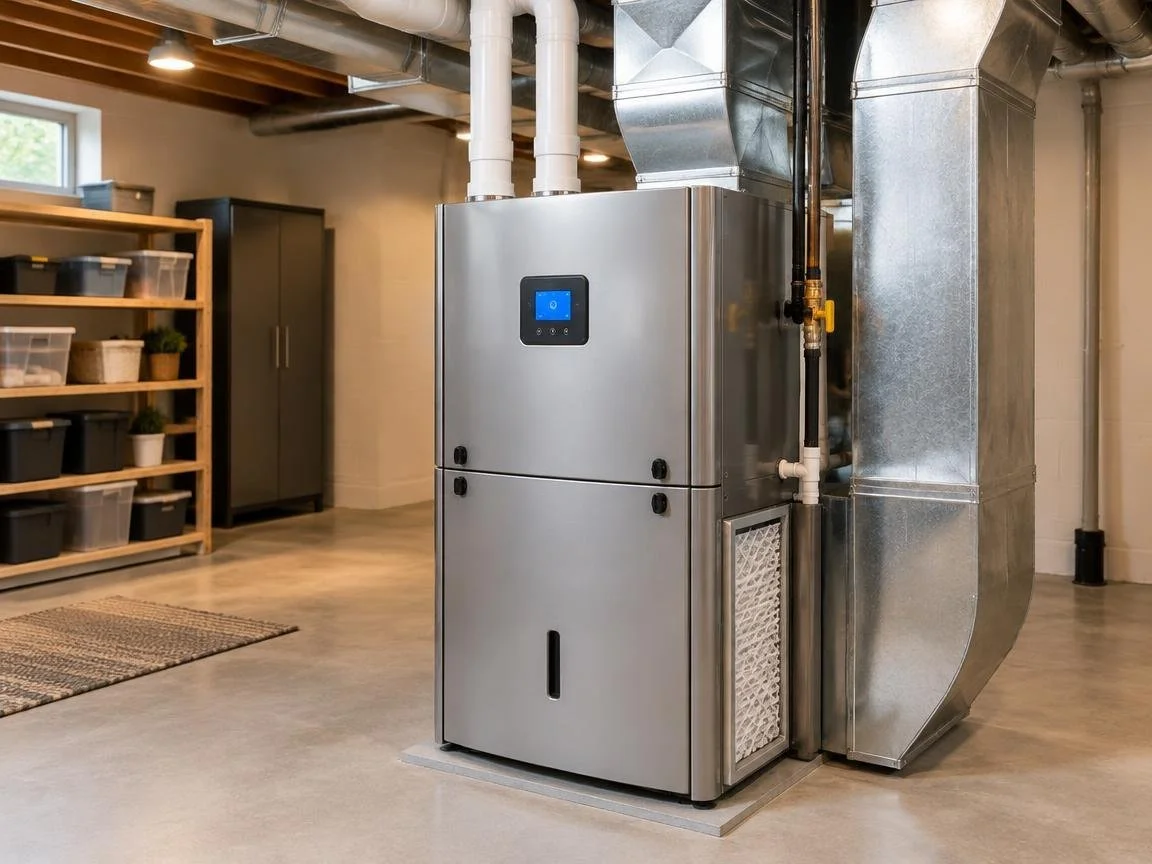
Choosing the best furnace installation in Chandler, AZ, is an investment in your home's comfort, safety, and energy efficiency. By understanding the signs that indicate a need for replacement, exploring the various types of heating systems available, and knowing what to expect from a professional installation, you are well-equipped to make an informed decision. Prioritizing proper sizing, permitting, and robust warranties ensures your new system provides long-term reliability and peace of mind. With the right licensed contractor, you can look forward to a warm, comfortable home and significant energy savings for many winters to come.