Exploring the Flavours of Korean Alcohol
The global interest in Korean culture has expanded beyond K-pop and K-dramas, reaching into the country’s traditional cuisine, customs, and beverages. Among these cultural discoveries, Korean alcoholic drinks have gained increasing attention for their unique flavours, historical significance, and connection to Korean identity. A reputable Korean alcohol store offers a diverse selection of traditional and modern beverages, making it easier for enthusiasts to explore authentic Korean drinking culture. Korean alcohol stores around the world have become gateways for enthusiasts seeking to explore the diverse traditions behind these beverages.
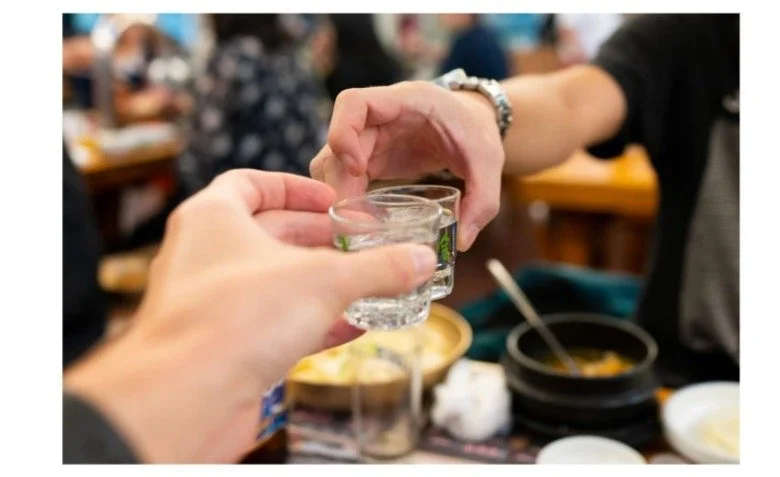
A Taste of Tradition: Soju and Makgeolli
Two of the most recognised Korean alcoholic beverages are Soju and Makgeolli, both of which carry deep cultural roots and continue to attract international audiences.
Soju, widely considered Korea’s national drink, is a clear spirit traditionally made from rice, although modern versions may also use ingredients such as sweet potatoes, barley, or wheat. Known for its smooth and slightly sweet taste, Soju has remained a staple in Korean social gatherings for centuries. Its versatility has also allowed it to gain popularity internationally, appearing in cocktails and being paired with various cuisines.
Makgeolli, a traditional Korean rice wine, is known for its cloudy appearance and mildly sweet, tangy flavour. Historically enjoyed by farmers after a day’s work, it has become increasingly popular among modern consumers due to its lower alcohol content and cultural appeal. Its traditional production methods and unique character make it an important representation of Korea’s agricultural heritage.
The Cultural Roots of Korean Alcohol
The production of Korean alcohol is closely connected to the country’s agricultural traditions, regional ingredients, and historical development. For centuries, brewing practices evolved alongside farming cycles, local resources, and cultural rituals, creating a wide variety of drinks with distinct identities.
Each type of Korean alcohol reflects the region and community where it originated. Beyond being beverages, these drinks represent stories of tradition, adaptation, and craftsmanship passed down through generations. Korean alcohol stores serve as places where consumers can discover these histories and gain a deeper understanding of Korean cultural heritage.
Discovering Regional Specialities
Korea’s regions each contribute their own unique styles of traditional alcohol. One notable example is Andong Soju, which comes from the city of Andong and is recognised for its stronger alcohol content and distinctive flavour. The drink represents the region’s long-standing craftsmanship and commitment to traditional production methods.
Another regional speciality is Beopju from Gyeongju, a traditional rice wine historically associated with royal occasions. Its detailed brewing process and refined taste have contributed to its reputation as one of Korea’s more sophisticated traditional beverages.
Korean alcohol stores often feature these regional varieties, allowing consumers to experience the differences in flavour, production, and cultural background across Korea.