Essential Home Maintenance Tasks Every Homeowner Should Know
Owning a home is part pride, part responsibility. The best way to avoid big repair bills is to chip away at small tasks on a set schedule. Use this guide to build a plan you can repeat each season and adjust for your climate.
Create A Seasonal Home Maintenance Routine
Start by making a simple checklist for spring, summer, fall, and winter. When the checklist turns up roof wear, or you are weighing an upgrade, think about Fowler Exteriors metal roofing in Alpharetta or another local company as you compare options, then note timelines and budgets. Add reminders to your phone so nothing slips through the cracks.
Do a slow walk around the exterior each season. Look for peeling paint, hairline cracks in foundation walls, and gaps around doors or windows. Inside, scan ceilings and corners for stains that hint at water.
Keep An Eye On Your Roof
Binoculars are your friend here. From the ground, look for missing or curling shingles, popped nails, rust on flashing, and moss that traps water. If you see daylight in the attic or feel soft spots when walking near the eaves, treat it as an early warning.
The American Society of Home Inspectors notes that twice-yearly roof inspections help catch problems like cracked shingles, loose seams, and failing flashing before they spread.
That quick look can reveal excess granules in gutters that signal aging shingles. If climbing is unsafe, book a pro inspection instead.
Protect Your Home With Smart Water Temperature Settings
Water heaters often arrive set hotter than you need. Lowering the temperature reduces scald risk and trims energy use. A target of 120 degrees Fahrenheit works for most homes and appliances.
The Environmental Protection Agency highlights that 120 degrees can improve efficiency without sacrificing comfort.
Label the dial once you set it so you do not bump it higher later. As you are there, test the pressure relief valve and listen for rumbling that can mean sediment buildup.
Clean Dryer Vents And Lint Traps
Dryers move a lot of warm air through a tight path. Lint builds up fast and is highly flammable, so treat the lint screen like a seat belt you always use. Pull the screen and clean it before and after each cycle, then check that the outside vent flap opens freely.
The U.S. Fire Administration advises that staying on top of lint is one of the simplest ways to prevent dryer fires.
At least once a year, disconnect the vent hose and vacuum the run from both ends. If the hose is crushed or the vent path is long, swap in a smooth metal duct and reduce bends.
Regular cleaning helps dryers run more efficiently. When airflow improves, clothes dry faster and use less energy.
This reduces wear on heating elements and motors. It can also prevent excess heat from building up in the laundry area. These small habits extend appliance life and improve safety.
Keep Gutters, Grading, And Drainage In Check
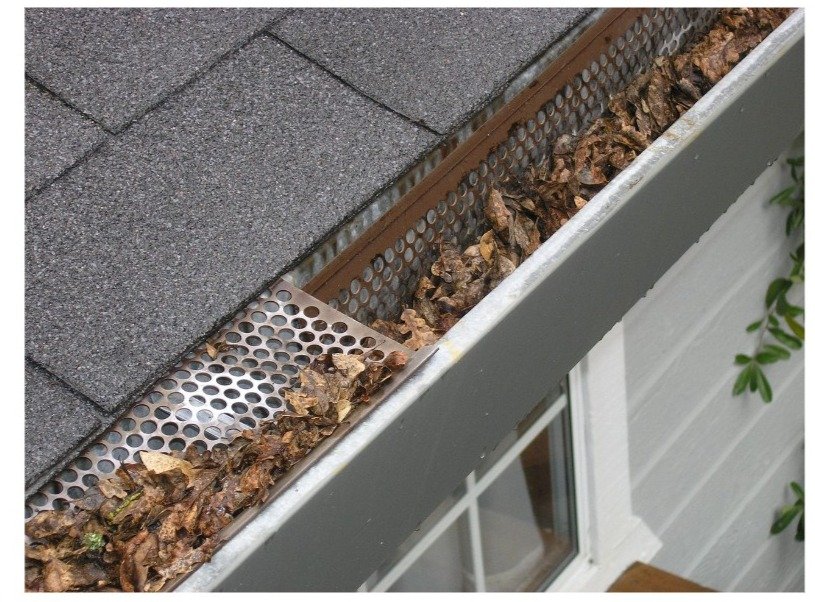
Water belongs away from the house. Clear leaves from gutters so rain can move to downspouts, and make sure those downspouts extend several feet from the foundation. After a storm, take a lap to confirm water is not pooling near the slab or crawling under walkways.
Walk your yard to check that the soil grades away from the house in all directions. Small adjustments with a shovel can fix many trouble spots. If you see erosion channels, add splash blocks or extend downspouts farther.
Maintain Heating And Cooling Basics
Good airflow keeps systems efficient. Replace HVAC filters on a regular schedule and vacuum return grilles that collect dust. Listen for new rattles or short cycling that can point to a failing capacitor or dirty coils.
Seasonally, hose off the outdoor condenser to clear grass clippings and seeds. Inside, keep supply vents open and unblocked by furniture. If a room runs too hot or cold, note that for your next service visit so a tech can check duct balance.
Test Safety Devices And Track Small Leaks
Once a month, test smoke and carbon monoxide alarms with the button. Swap batteries at the same time each year and write the date on the cover. If your detectors are older than 10 years, replace them with modern interconnected models.
Make a habit of checking under sinks and around toilets for dampness. Catching a tiny drip early can save cabinets and floors. Keep a small notebook in a kitchen drawer to record filter changes, alarm tests, and repairs so you always know what was done and when.
A steady routine makes home care feel manageable rather than overwhelming. Start small, do a little each season, and treat early warnings quickly. Your future self will thank you for fewer surprises and a house that runs smoothly year-round.