Energy-Saving Measures for Secure Homes
Energy efficiency plays a major role in creating a comfortable, safe, and cost-effective home.
As utility costs rise and homeowners seek ways to reduce their environmental impact, simple and strategic improvements can make your space more secure and significantly lowering energy consumption.
These upgrades support long-term savings and contribute to a healthier living environment.
A secure home isn’t just one that keeps you safe from external risks, it’s a home that performs well, protects your wallet, and reduces unnecessary waste. The following measures can help guarantee your property stays efficient, protected, and resilient.
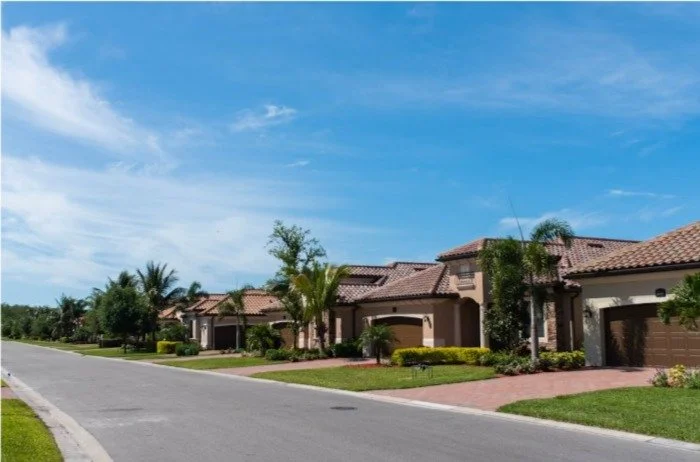
Image source:https://unsplash.com/photos/white-and-brown-painted-house-4T4AcGJvARQ
Improve Home Insulation for Better Temperature Control
Insulation is one of the most effective ways to increase both energy efficiency and home security.
Proper insulation stabilizes indoor temperatures, reduces strain on HVAC systems, and cuts heating and cooling costs throughout the year.
Many homeowners start by evaluating attic, wall, and crawlspace insulation to determine where the greatest energy loss occurs. Effective insulation strengthens your home as a whole.
By minimizing air leaks and maintaining consistent temperatures, you lower your risk of water issues, structural wear, and unexpected system failures. Whether you work with Elite Home Energy Solutions South Florida, North Carolina, or somewhere closer to your region, upgrading insulation contributes to better comfort, improved safety, and long-term energy savings without requiring major renovations. Sealant and weatherstripping can further reduce drafts from windows and doors.
These small, affordable improvements add an extra layer of protection and prevent conditioned air from escaping your home.
Upgrade to Energy-Efficient Windows and Doors
Older windows and doors are major contributors to heat loss and fluctuating indoor temperatures. Modern energy-efficient options, such as double- or triple-pane windows and insulated doors, dramatically improve security and reduce utility costs.
These products are built to withstand harsh weather conditions and offer better reinforcement against external intrusion.
Energy-efficient windows reduce outdoor noise, block harmful UV rays, and improve comfort.
Combined with high-quality seals and frames, they form an important barrier that supports both your home’s performance and its long-term durability.
Use Smart Thermostats for Improved Control
Smart thermostats have become a valuable tool for homeowners aiming to reduce energy waste.
These devices adapt to your daily routines, automatically adjusting temperatures to optimize usage. Features like remote operation, scheduling, and energy monitoring help you maintain control even when you’re away.
Smart thermostats lower energy bills and improve home security by allowing you to monitor system performance in real time.
Early alerts help identify HVAC issues before they escalate, preventing costly breakdowns and avoiding potential safety hazards.
Seal Air Leaks Around Key Structural Areas
Air leaks undermine even the best insulation and can cause uneven temperatures, water issues, and increased utility bills.
Common leak points include windows, doors, electrical outlets, and areas where plumbing lines enter the home.
Applying caulk, spray foam, or additional weatherstripping can make a noticeable difference in home efficiency.
This is a straightforward upgrade that provides immediate payoff. By eliminating gaps, you conserve energy and create a more secure indoor environment resistant to pests, humidity, and outdoor pollutants.
HVAC Performance with Routine Maintenance
Your heating and cooling system works harder than any other appliance in your home during extreme temperatures.
Regular maintenance, changing filters, cleaning components, and scheduling seasonal inspections keep the system operating at peak efficiency.
A well-maintained HVAC system consumes less energy, improves indoor air quality, and extends its lifespan.
Addressing issues early prevents breakdowns that could leave your home vulnerable to poor ventilation or uncomfortable temperatures. Routine care guarantees safer operation, reducing the risk of electrical or mechanical failures.
Energy-Efficient Exterior Lighting and Smart Security Systems
Exterior lighting helps secure your property, but traditional bulbs can consume significant energy. Switching to LED lighting reduces electricity use and provides brighter, longer-lasting illumination.
Solar-powered garden lights offer an additional energy-free option for pathways, driveways, and entry points. Pairing exterior lighting with smart security systems improves home protection.
Motion sensors, automated timers, and camera-integrated lighting allow you to monitor activity and keep energy consumption low. These tools make your home safer without requiring excessive power usage.
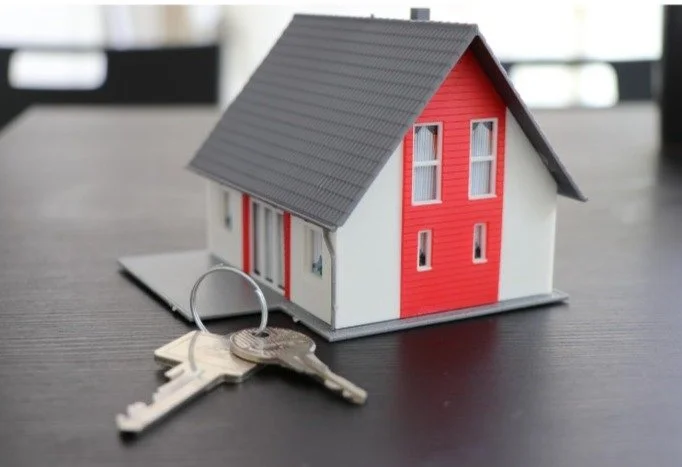
Image source:https://pixabay.com/photos/house-key-property-security-4516175/
Attic Ventilation to Prevent Heat and Water Buildup
Proper attic ventilation works alongside insulation to keep your home comfortable and dry. Good airflow prevents heat from building up in the summer and reduces condensation in the winter, helping protect your roof and preventing mold growth.
Balanced ventilation reduces the load on your HVAC system and supports more stable indoor temperatures. It’s an often-overlooked improvement that delivers meaningful energy savings and contributes to a more secure home structure.
Energy-saving measures do far more than reduce utility bills. They create safer, healthier, and more resilient homes.
From upgrading insulation and windows to using smart technology and improving air sealing, each improvement adds another layer of protection and performance.
By focusing on strategic, efficient upgrades, homeowners can confidently strengthen their properties and enjoy long-term comfort and lower operating costs. These steps guarantee your home remains secure, cost-effective, and environmentally responsible for years to come.