Emergency Heating Repair in Lawrenceville: Who to Call Now
Signs You Need Immediate Emergency Heating Repair
Recognizing the early warning signs of a failing heating system can often prevent a total breakdown. However, when the system stops working entirely, time is of the essence. You should consider your situation an emergency if you notice a rapid drop in indoor temperatures that cannot be corrected by adjusting the thermostat.
Other clear indicators include:
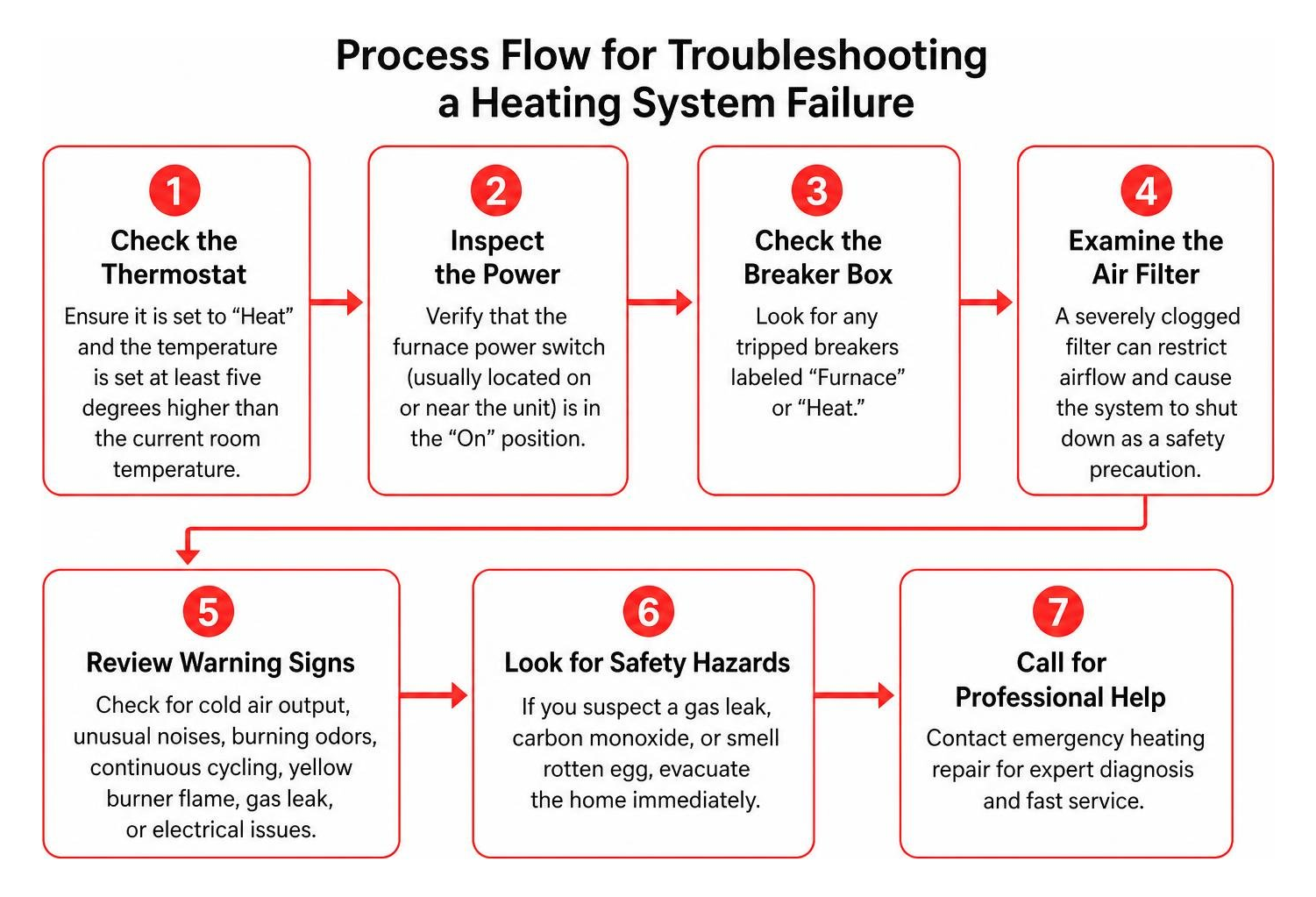
- Cold Air Output: If your vents are blowing cool or room-temperature air instead of the warmth you expect, your heating element or burner may have failed.
- Unusual Noises: Loud banging, screeching, or grinding sounds often point to mechanical failure, such as a broken blower motor or a loose belt.
- Burning Odors: A smell of burning dust is common when a heater first turns on for the season, but a persistent, sharp, or electrical burning smell indicates a fire hazard or failing internal components.
- Continuous Cycling: If your unit turns on and off rapidly without ever reaching the desired temperature, it is struggling to maintain a cycle, which puts immense strain on the system.

Critical Safety Hazards Requiring Fast Action
Some signs of a broken heater go beyond comfort and pose significant health risks. If you notice a yellow burner flame instead of a crisp blue one, this can be a sign of incomplete combustion, which often leads to carbon monoxide production. If you suspect a gas leak—characterized by a "rotten egg" smell—or if you experience symptoms like dizziness or headaches, evacuate the home immediately and call for professional help. Additionally, if your electrical panel keeps tripping when the heat kicks on, do not attempt to reset the breaker repeatedly, as this indicates a potential short circuit or wiring issue that requires immediate professional heating assistance.
Immediate Steps When Your Heat Stops Working
Before you panic, perform a few quick checks to rule out simple user errors:
- Check the Thermostat: Ensure it is set to "Heat" and the temperature is set at least five degrees higher than the current room temperature.
- Inspect the Power: Verify that the furnace power switch (usually located on or near the unit) is in the "On" position.
- Check the Breaker Box: Look for any tripped breakers labeled "Furnace" or "Heat."
- Examine the Air Filter: A severely clogged filter can restrict airflow and cause the system to shut down as a safety precaution to prevent overheating.
What to Expect from Lawrenceville HVAC Technicians
When you call for emergency services, you are paying for expertise and rapid response. Professional HVAC technicians in the Lawrenceville area are trained to handle high-pressure situations. Upon arrival, they will perform a comprehensive diagnostic test to identify the root cause of the failure. This involves checking the ignition system, testing electrical components, and inspecting the heat exchanger for any cracks or blockages.
Heating Systems Serviced During an Emergency Heating Repair
Modern homes in Georgia utilize a variety of heating technologies, and a qualified service provider must be equipped to handle them all. Whether your home uses a traditional gas furnace, a high-efficiency electric furnace, a versatile heat pump, or a modern ductless mini-split system, the goal remains the same: restoring safe, consistent warmth.

Information Needed for Your Emergency Heating Repair Call
To help the technician prepare for your visit, have the following information ready when you call:
- The Nature of the Problem: Be specific—is there no heat at all, or is the unit making a specific sound?
- System Details: If possible, provide the brand and approximate age of your unit.
- Safety Status: Let the dispatcher know if you have smelled gas or noticed electrical smoke.
- Access: Ensure the area around your furnace or heat pump is clear of storage items so the technician can get to work immediately upon arrival.
Emergency Heating Costs and Service Inquiries
Emergency repairs often carry a premium compared to scheduled maintenance because they require technicians to work outside of standard business hours. While costs vary based on the complexity of the repair and the parts required, you should expect to pay a service call fee plus labor and materials.
When speaking with a provider, it is perfectly acceptable to ask about their billing structure. Reputable companies will be transparent about their after-hours rates. Always ask if the repair is covered under an existing manufacturer warranty or a previous service labor warranty, as this can significantly reduce your out-of-pocket expenses.
Benefits of Hiring Local Lawrenceville Specialists
Choosing a local HVAC company in Gwinnett County offers distinct advantages over national chains. Local technicians understand the specific climate challenges of the Lawrenceville area and are often more familiar with the types of housing and heating systems prevalent in our community. Because they are based nearby, they can typically offer faster transit times during bad weather, ensuring your home doesn't stay cold for long.
Beyond emergency fixes, these specialists can help you implement a preventative maintenance plan. Regular seasonal tune-ups—which include cleaning coils, checking refrigerant levels, and replacing filters—are the best way to ensure your system remains reliable throughout the coldest months of the year.
Frequently Asked Questions About Heating Emergencies
How fast can an emergency technician arrive in Lawrenceville?
During peak winter months, response times can vary based on demand and traffic. However, local companies prioritize true emergencies—such as systems that are completely non-functional during freezing temperatures—to ensure vulnerable households are not left in the cold.
How much does an emergency heating service call typically cost?
Costs depend on the time of day and the severity of the issue. A standard diagnostic fee is common, with additional charges for parts and the time required to perform the repair. Always seek a company that provides a clear estimate before beginning the work.
What should I do to stay warm while waiting for repairs?
Focus on heat retention. Close curtains or blinds to insulate windows, seal off unused rooms, and gather the family in a central area of the home. Use blankets and layered clothing to maintain body heat. If you use a portable space heater, ensure it is placed on a flat, non-flammable surface at least three feet away from furniture, curtains, or bedding to prevent fire hazards.
Conclusion
A broken heater in the middle of a Lawrenceville winter is a stressful event, but you do not have to face it alone. By identifying the signs of failure early, performing basic troubleshooting, and knowing exactly who to call for emergency heating repair, you can restore your home’s comfort quickly and safely. Prioritize your family’s well-being by choosing a local, licensed professional who can provide the expertise and reliability you need when the temperature drops.