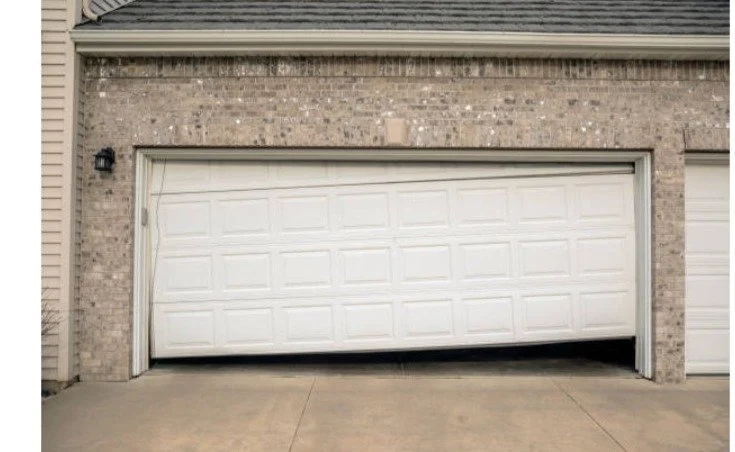
Common Garage Door Problems Homeowners Should Never Ignore
The garage door is often the largest moving object in an entire household, serving as a primary entryway for many modern families. It's really easy to take system performance for granted in these heavy systems that run day-in, day-out without a problem. That said, a garage door works with a complex system of high tension springs, steel cables, tracking rollers and electronic sensors to ensure the safe operation of the door. Regular use over a period of time leads to mechanical parts wearing out, becoming misaligned or breaking. If early warning signs are ignored, it can quickly cause catastrophic system failures, expensive emergency repairs, and safety problems for your family. Routine monitoring is essential to maintaining your home and property budget and ensuring that your home is always safe.
Broken Torsion Springs and Tension Loss
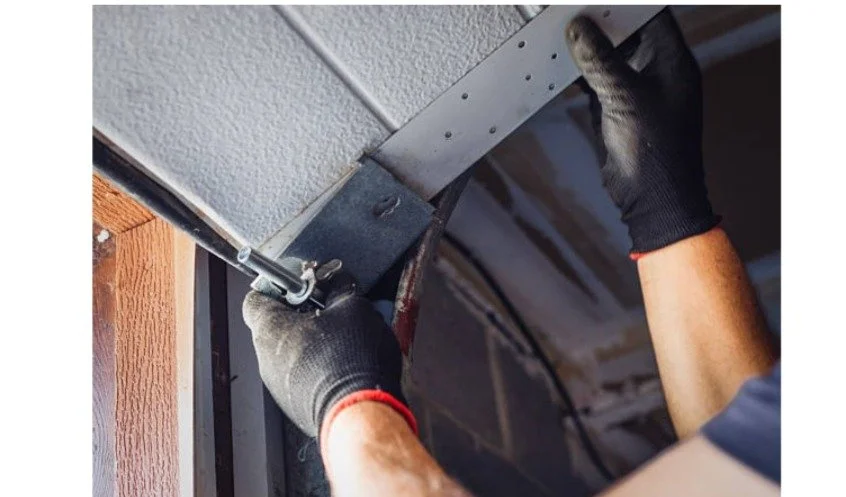
The function of a garage door opener is not to lift the door, but to lift the tension of the tightly wound torsion springs above the door frame. These springs are designed to bear a tremendous amount of mechanical stress and are able to keep the door in balance in order to ease it to open easily. The stress they undergo in each operational cycle is quite intense, and with time, they will weaken and break. A broken spring puts a tremendous strain on the electronic opener motor and may lead to failure. Homeowners can browse their blog page on Irvine Local Garage Door to discover detailed maintenance guides regarding how to spot early signs of metal fatigue and spring deterioration safely. When the springs are worn you will not want the door to open up suddenly and wreck your vehicle, so replace the worn springs as early as possible.
Misaligned or Damaged Track Networks
To ensure that the panels roll smoothly up and down, the rolling wheels on them need to stay firmly in place in the vertical and horizontal steel tracks. If a heavy object accidentally bumps into these metal rails, or if the structural wall brackets vibrate loose over time, the tracks can bend out of alignment. If the track is warped then the door will bind the rollers leading to loud scraping noises and jerky movements during the door's travel. In extreme instances, the entire door can shift off of the tracks altogether, making your house defenseless against harsh weather and possible security breaches. Regularly having your track networks professionally aligned and lubed helps to ensure that the entry system runs smoothly and quietly.
Failing Safety Sensors and Reversal Mechanisms

Today's automatic entry systems come with two electronic safety eyes, located only a few inches above the garage floor. These sensors emit an invisible infrared beam across the opening that is detected if there is any obstacle in its path, such as a vehicle parked on the premises, a pet or a small child. The system designed to stop and reverse the direction of the light beam instantly when an object breaks it as the door is closing. These sensitive sensors can get bumped or over time, the lenses can get dust and spiderwebs, which interfere with the signal. When a safety reversal system fails, your family is in a very unsafe scenario. Regular testing of these components will make sure that your automated features keep protecting all family members.
Snapped or Frayed Lifting Cables
Steel lifting cables are in perfect synergy with your spring system and lift the heavy door panels securely to their correct height. These metal braids undergo constant friction and exposure to moisture from the environment, and over time can rust, fray, or unravel. When one cable snaps, the whole weight of the door jerks over to one side, and causes the mechanism to twist the frame and get stuck in the tracks. A broken cable can also fly through the air with enough momentum to inflict serious bodily harm or damage to property. Performing regular checks on your lifting cables to look for any visible damage can help keep your cables in good condition for when you need them.
Conclusion
To keep the garage door up and running, proactive steps must be taken to detect mechanical problems before they become a structural failure. You keep track of your torsion springs and track alignment, as soon as they start to get worn out or misaligned, you put them back into place and you have no business operational bottlenecks. Keeping your electronic safety sensors fully functional and inspecting your lifting cables safeguards your family from sudden physical accidents on your property. These high tension adjustments are best left to experts so your door system remains at its highest degree of safety. Properly maintaining the elements of your garage from the start creates a very secure, peaceful and efficient house for many years.