
Choosing The Right PBS Buffer Concentration For Your Experiment
Every experiment depends on stable conditions from start to finish.
Stable conditions can become difficult to maintain when pH or salt levels change during sample handling. Those changes may affect cell health, protein stability, or assay performance. As a result, you may spend extra time troubleshooting results or repeating important steps.
Reliable results often begin with the buffer used throughout your workflow. That buffer helps support the conditions needed for many laboratory procedures. When concentration matches your experiment, sample handling can become more consistent and easier to manage.
But now you might be wondering: “How do you choose the right PBS buffer concentration for your experiment?”
The answer depends on your sample type, experimental goals, and workflow needs. A concentration that works well for one procedure may not fit another.
In this article, you’ll explore six factors that can help you select the right PBS buffer concentration and support more consistent experimental results.
1. Experiment Purpose Match
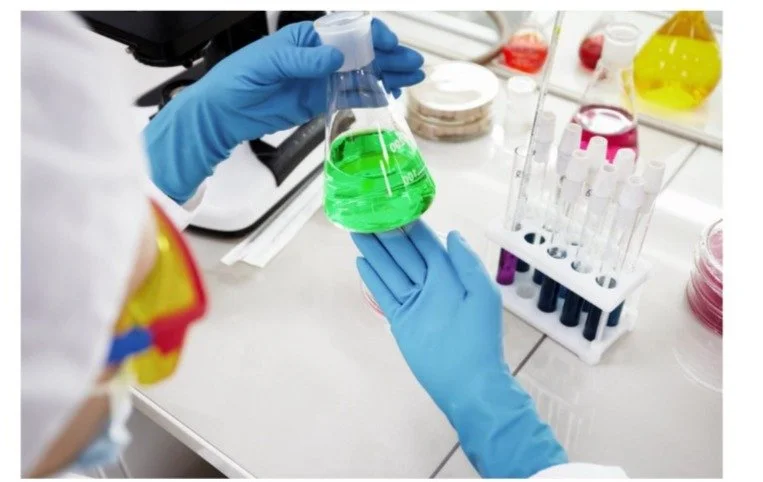
Each experiment has a specific purpose. That purpose should guide your buffer selection from the beginning.
If your work involves routine cell washing, a suitable PBS buffer concentration can help support stable handling throughout the process. Those stable conditions make it easier to move from one step to the next without introducing unnecessary changes.
When your focus shifts to sample dilution, concentration remains important because the buffer becomes part of the environment surrounding your sample. That environment can influence later procedures such as testing, analysis, or additional preparation steps. If concentration does not match the purpose of your experiment, unwanted variation may appear as the workflow progresses.
Such variation can make results more difficult to compare and interpret. A concentration that supports one procedure may not always be the best choice for another. Because every workflow has different requirements, selecting a buffer should always begin with a clear understanding of your objective.
By defining your goal before choosing a concentration, you can create conditions that better support reliable results.
2. Cell Washing Needs
Cell washing is one of the most common reasons to use PBS. During a wash step, you may need to remove leftover media or other materials before moving to the next task. A suitable concentration helps maintain stable conditions while that transition takes place.
Many workflows include more than one wash step. When concentration remains appropriate throughout the process, each wash becomes easier to repeat using the same conditions. Repeated washing can affect samples over time, especially when buffer conditions vary between steps.
Staining, imaging, and assay preparation often take place after washing is complete. Each of those procedures depends on the condition of the sample at the end of the wash process. If washing conditions change from one step to the next, the effects may continue throughout the workflow. By selecting a PBS buffer concentration that supports routine washing, you can create a more stable foundation for later procedures.
3. Sample Dilution Requirements
Many experiments require sample dilution before testing begins. Although dilution is a routine task, it still influences the conditions surrounding your sample. When PBS buffer concentration matches your workflow, preparation becomes easier to standardize from the start.
Preparation steps often affect everything that follows. If concentration changes between dilutions, you may see differences in your results even when the rest of the procedure remains unchanged. Small variations during preparation can make troubleshooting more difficult because the source of a result becomes harder to identify.
Assays, protein analysis, and other laboratory procedures often begin with properly prepared samples. Stable preparation conditions help create a stronger starting point for those activities. Before testing begins, selecting a suitable PBS buffer concentration can help reduce unwanted variation and make sample preparation easier to manage.
4. Assay Compatibility Review
Many assays rely on stable conditions from beginning to end. Stable conditions help support reliable measurements and clearer results if your workflow includes immunoassays; preparation and washing steps often depend on suitable buffer conditions.
Buffer concentration plays an important role during those stages. When concentration matches the needs of the assay, repeating the same procedure becomes much easier. A repeatable process can help improve confidence in the measurements collected during testing.
Preparation choices made early in the workflow may influence later results. Even small changes can make measurements harder to interpret or compare. Before selecting a PBS buffer concentration, reviewing the needs of your assay can help you create conditions that support smoother testing and more dependable outcomes.
5. Protein and Nucleic Acid Workflows
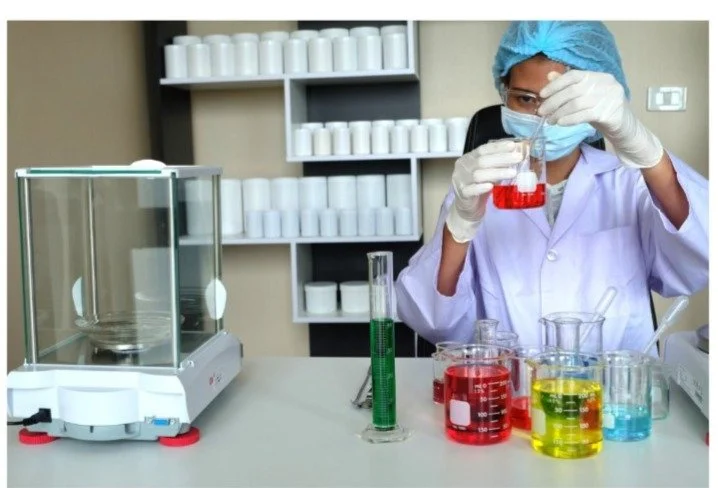
Many protein and molecular biology procedures depend on careful sample preparation. Good preparation helps protect sample quality before analysis begins. If your work involves proteins, PBS buffer concentration can influence the conditions used during handling and processing.
DNA and RNA workflows often involve several preparation steps before analysis takes place. Those steps can affect sample quality and downstream testing. When concentration supports the needs of the procedure, handling becomes easier to repeat and control.
Different workflows may require different approaches. Protein studies and nucleic acid applications do not always place the same demands on preparation conditions. For that reason, selecting a PBS buffer concentration should involve the specific needs of your experiment rather than a one-size-fits-all approach. Careful planning can help support stronger results throughout the workflow.
6. Reproducibility and Workflow Consistency
Reliable experiments depend on results that can be repeated. Repeating an experiment becomes easier when preparation conditions remain similar from one run to the next. If PBS buffer concentration changes between preparations, unexpected differences may appear even when other steps stay the same.
Extra variation often leads to additional troubleshooting. Instead of focusing on new work, you may spend more time identifying the source of a problem. Maintaining the same concentration across experiments can help reduce that challenge and make comparisons easier.
Long-term projects often involve repeating procedures over weeks or months. During that time, stable preparation practices become increasingly important. Consistent buffer conditions can help reduce preparation-related variation and improve confidence in findings. By treating PBS buffer concentration as an important part of workflow planning, you can support more dependable and repeatable results.
Bottom Line
Selecting the right PBS buffer concentration is an important part of experimental preparation. That choice can affect cell washing, sample dilution, assay performance, and other laboratory procedures throughout your workflow. Because different experiments have different requirements, a concentration that works well for one procedure may not always be the best fit for another.
Before starting an experiment, take time to consider your goals, sample type, and workflow needs. A concentration that matches those requirements can help create more stable conditions during preparation and testing. With the right PBS buffer concentration in place, you can reduce unnecessary troubleshooting and support more reliable results from start to finish.