Breaking Down the Basics: A Guide to Year-Round Yard Maintenance
Maintaining a yard is more than just mowing the grass; it’s a holistic approach to caring for your outdoor space. Whether you have a sprawling garden or a small backyard, understanding the important tasks throughout the year will keep your yard looking its best. A well-maintained yard is beneficial for your property value. In this guide, you will discover the seasonal tasks you should undertake to ensure your yard thrives all year long.

Spring Cleanup
As winter ends and the temperatures rise, spring is the perfect time to clean up your yard and prepare it for the growing season. Start by picking up any debris left over from winter storms, such as fallen branches or leaves. Next, assess your plants and remove any dead foliage or stems to promote new growth. Fertilizing your lawn and garden can also provide nutrients as the soil warms up.
This is a great opportunity to sharpen your tools and check your equipment. A well-maintained lawnmower and edger will ensure that your yard maintains a neat appearance as the grass begins to grow. It’s worth taking a look at a WORX electric string trimmer for precise trimming and edging around flower beds, fences, and walkways. With the right tools in hand, you can tackle your yard work with ease.
Summer Maintenance
Summer is the season when your yard requires the most attention. With rising temperatures, maintaining proper watering practices becomes vital. Water your lawn early in the morning to reduce evaporation and encourage deep root growth. A general rule of thumb is to aim for around one inch of water per week, whether from rainfall or irrigation. Pay attention to your flower beds and vegetable gardens; they often require more frequent watering.
Mulching is an excellent technique during the summer months. It helps retain soil moisture, suppresses weeds, and regulates soil temperature, creating an ideal environment for plant growth. As weeds begin to sprout, a proactive approach is vital. Hand-pulling or using a hoe can prevent weeds from establishing roots in your garden beds.
Fall Preparation
As summer fades away, it’s time to shift your focus to preparing your yard for the colder months. Begin by cleaning up fallen leaves, which can suffocate the grass and invite pests. Raking leaves can be a labor-intensive task, but it's crucial for maintaining a healthy lawn. Consider using a leaf blower or vacuum to make the job easier.
Once the leaves are gone, aerate your lawn to promote healthy root growth during the spring. This process breaks up compacted soil, allowing air, water, and nutrients to reach the roots more effectively. Applying a fall fertilizer can strengthen your grass against the impending winter weather. As temperatures begin to drop, planting garlic and spring-flowering bulbs will ensure vibrant colors when spring arrives again.
Winter Care
Winter yard maintenance focuses primarily on protecting your plants from harsh conditions. Engage in preventive measures, such as applying mulch to insulate plant roots. This aids in temperature regulation and moisture retention, ensuring that your plants enter spring healthy and ready to flourish. You should also consider wrapping vulnerable young trees with burlap to provide further protection against frost damage and the harsh winds typical of winter.
Inspect your outdoor equipment during the winter as well. Clean, sharpen, and store tools properly to prolong their lives. Keeping tools in good shape ensures they're ready for action when the growing season returns. Take this time to reflect on your yard’s layout and think about potential changes or improvements for the coming year.
Regular Weed Control
Throughout the year, implementing regular weed control is crucial for maintaining your yard’s health. Weeds compete with your plants for nutrients, water, and sunlight, which can hinder their growth. Establishing a regular weeding schedule will ensure that unwanted plants don’t take over your space. Whether it's hand-pulling or using herbicides, consistency is key.
Consider using landscape fabric or mulch as an effective weed barrier in garden beds. This helps maintain soil moisture levels, another crucial aspect of yard health. By integrating weed control into your regular maintenance routine, you'll find it easier to manage your yard and enjoy its splendor throughout each season.
Environmentally Friendly Choices
In recent years, sustainable yard care practices have gained popularity as homeowners become more environmentally conscious. Incorporating native plants into your landscape can reduce the need for excessive watering and pesticides. Using organic fertilizers and pest control methods can significantly benefit your yard and the surrounding ecosystem.
Composting offers another sustainable approach to yard maintenance. By recycling kitchen scraps and yard waste, you create nutrient-rich compost that can enrich your soil. This improves soil structure, enhances moisture retention, and provides nutrients to your plants, leading to a thriving garden.
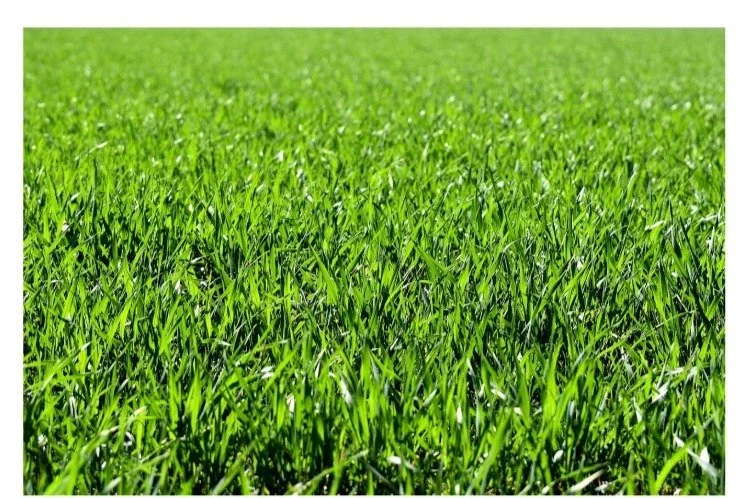
Year-round yard maintenance is about more than just aesthetics; it’s about creating a healthy, balanced outdoor environment that flourishes in every season. By staying proactive with seasonal tasks, from spring cleanup to winter protection, you ensure your yard remains vibrant and resilient. Incorporating sustainable practices like composting and native planting enhances long-term health while benefiting the environment. With consistent care, proper tools, and a thoughtful approach, your yard can become a source of beauty, relaxation, and pride all year long.