Boutique dispensaries are adopting high-end retail architecture to build trust
You probably remember when buying cannabis meant stepping into a cramped waiting room behind heavy security glass. Legacy commercial counters often felt cold, rushed, and intimidating for everyday shoppers. Minimalist architecture, curated tasting lounges, and farm-to-counter transparency now replace those outdated setups across major cities.
When you walk into a boutique storefront, the space welcomes you like a neighborhood apothecary or specialty coffee bar. Intentional design choices remove friction and build genuine trust from the moment you cross the threshold.
How Does Open Architecture Eliminate Shopper Intimidation?
Dark hallways and barred windows naturally put you on edge before you even browse a shelf. Boutique retailers solve this problem by opening up floor plans and flooding interiors with warm natural light. Wide walkways and low-profile wooden or stone counters let you move at your own pace without feeling trapped in a queue.
Luxury retail principles heavily influence this shift toward calm, approachable environments. According to MG Magazine, a leading retail manufacturing firm with more than 30 years of experience building spaces for Louis Vuitton, Nordstrom, and Coach has brought that same craftsmanship to cannabis storefronts to erase stigma and spark fresh ideas. When your surroundings feel familiar and refined, asking questions about terpenes or dosing becomes effortless.
Why Are Discerning Buyers Turning to Vertically Integrated Growers?
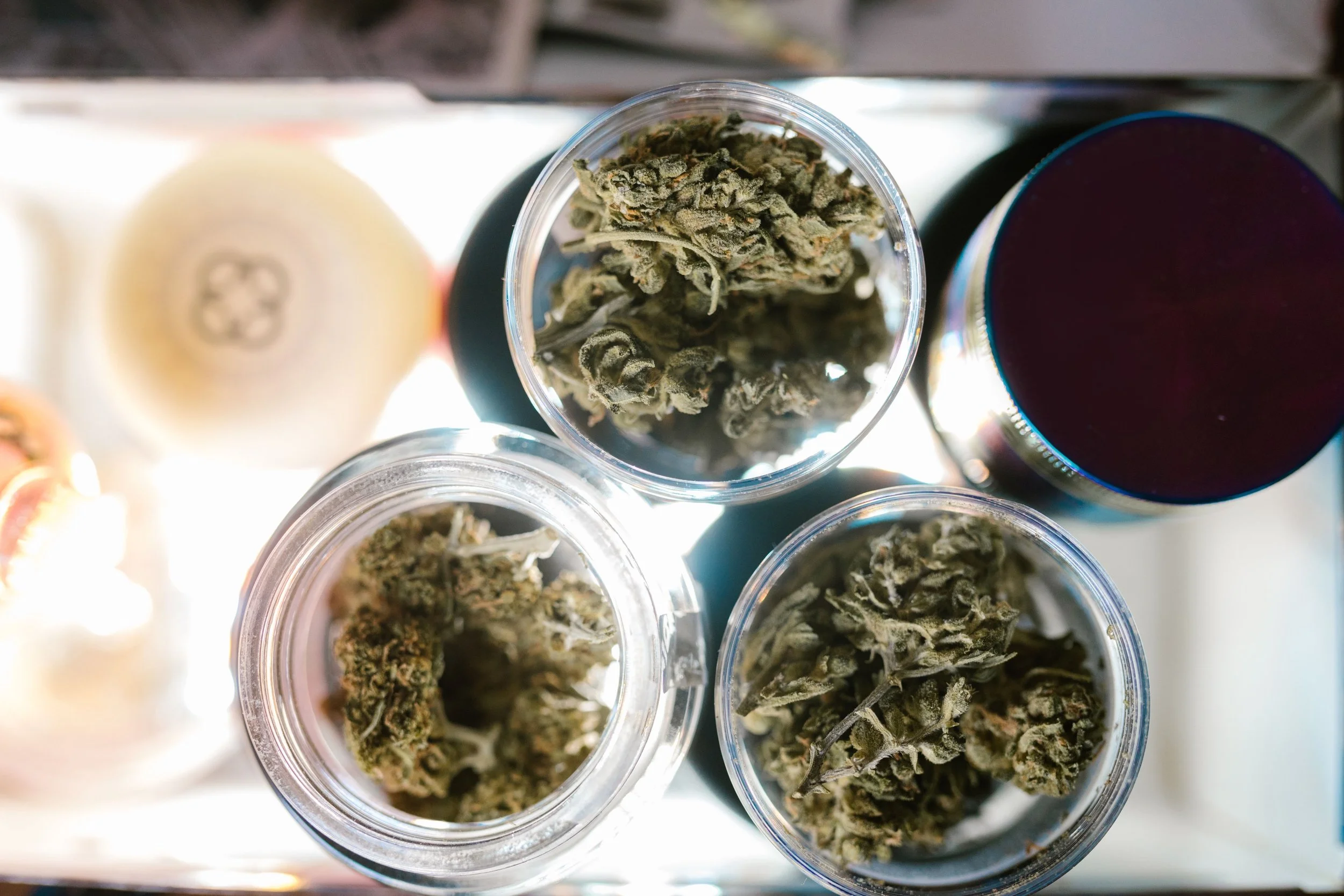
Knowing who grew your flower matters just as much as knowing how the store looks. When you browse a transparent agricultural showcase like Chronic Guru’s flower menu, you see exact harvest dates, terpene profiles, and lineage details straight from the cultivation team. Mass-market chains often buy wholesale batches from dozens of anonymous suppliers, leaving budtenders with very little backstory to share.
Controlling genetics from seed to harvest protects the delicate compounds that give each cultivar its aroma and effect. Because the same team nurtures the plants, cures the buds, and stocks the shelves, nothing gets lost in transit between middlemen. You can trace every jar directly back to the soil and care behind it.
Evaluating Farm-Direct Transparency at the Counter
Smart shoppers look past flashy packaging and examine how a store presents its harvest. You can quickly separate genuine craft growers from mass-market resellers by paying attention to visual and aromatic details during your visit.
Spotting Authentic Cultivation Practices
Use some practical cues when you inspect flower displays at a boutique counter:
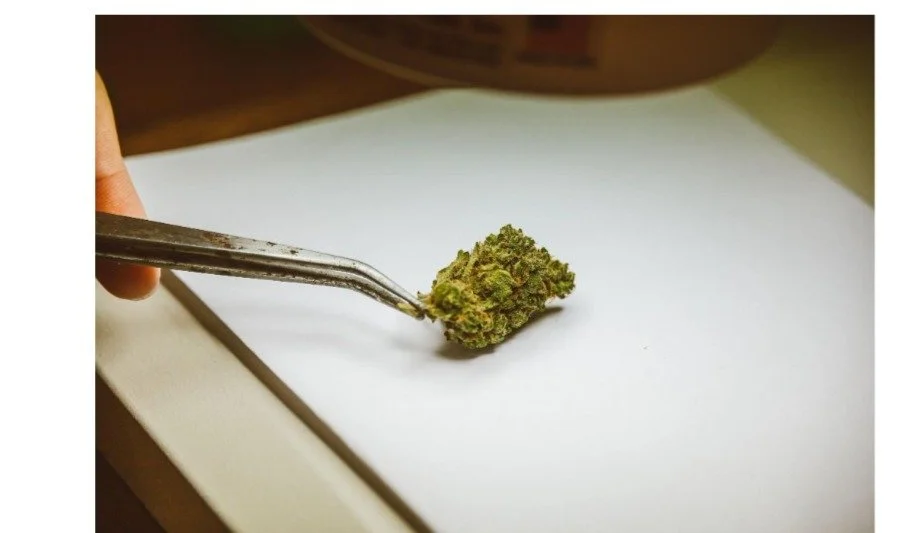
Inspect trichome preservation: Look for intact, frosty resin heads that show gentle hand-trimming rather than rough machine processing.
Verify batch lineage: Ask your specialist for the exact parent strains and harvest window behind each featured jar.
Smell aromatic clarity: Expect clean, distinct botanical notes that signal slow curing instead of muted, grassy odors.
Checking Cold-Cure Storage Standards
Even top-tier genetics lose potency if a shop leaves jars under hot display lamps. Make sure your retailer stores reserve cultivars in climate-controlled cabinets that lock in moisture and aroma.
What Role Does Hospitality Play in Urban Retention?
Busy city professionals value thoughtful service just as much as product quality. Boutique dispensaries borrow cues from boutique hotels and tasting rooms by training staff to act as welcoming hosts rather than rushed cashiers. Instead of pushing high-THC specials, a skilled concierge listens to your schedule, mood, and preferences before recommending a cultivar.
Curated consultation bars and quiet lounge corners turn a quick errand into a relaxing ritual. When a team remembers your favorite terpene profile from last month, you naturally return to that store rather than shopping around on price alone.
How Do Boutique Storefronts Outperform Mass-Market Chains?
Mass-market outlets rely on high volume, bright promotional signs, and rapid checkout lines to move discounted inventory. That warehouse model works for quick bargains, though it rarely builds lasting confidence when you want tailored guidance. Boutique storefronts invest in architectural warmth, small-batch curation, and direct grower accountability to earn long-term loyalty.
By treating cannabis retail like fine wine or specialty roasting, independent operators create a calmer, more reliable buying experience. You walk away with products that match your exact goals and clear proof of where they came from.
What Should You Look for on Your Next Visit?
Next time you step into a dispensary, pay close attention to the lighting, floor plan, and staff transparency. Notice whether the space invites you to linger and learn or rushes you toward a register.
Choosing shops that pair open architecture with seed-to-sale honesty guarantees a better experience every time. Your comfort and curiosity belong at the center of the retail floor.
Commercial success in modern cannabis retail comes down to trust, design, and agricultural honesty. Boutique storefronts prove that combining welcoming architecture with farm-direct sourcing creates real value that mass-market chains cannot match. When you choose retailers who invest in transparent cultivation and thoughtful hospitality, you elevate your entire routine with confidence.