A Simple Guide to Modern Flooring Trim Options
Flooring often gets the spotlight, but the trim around the edges decides how finished and modern the room looks. Even with beautiful tile, vinyl, or timber, clumsy or dated trim can break the clean line and make a new floor feel unfinished. When you pick the right modern flooring trim, the floor flows neatly into walls, doors, and other surfaces. The effect is subtle, but it is what gives a space that calm, well-designed look you see in new builds and high-end renovations. This guide walks through the main modern trim options and where each one fits best. You will see how L shape, ramp, flat cover, and C/U shaped trims work with tile, vinyl, and timber floors. You will also learn how to choose colour and finish so the trim either disappears or contrasts on purpose. By the end, you can plan a clean, modern finish for your own flooring project with more confidence.
What Makes Flooring Trim Look Modern Today?
Slim profiles, clean lines, and simple finishes
Modern trim usually has narrow faces and sharp, straight edges. This slim look suits contemporary floors with thin grout lines and wide planks or large tiles. Instead of rounded or stepped shapes, most current profiles keep the geometry simple: straight L shapes, low ramps, and flat covers with minimal curve. Clean lines come from careful alignment and installation. When a trim sits level with the floor and runs straight along the edge, it creates a crisp border that reads as modern. Overlaps, gaps, and wavy lines make even a new trim feel dated.
Where modern trim works best in current homes
Modern trims shine in spaces where the floor is a major design feature. Open-plan living areas, kitchens with large-format tiles, and hallways with long timber or vinyl planks benefit from tidy edges and subtle transitions. In these zones, trims sit at door thresholds, around kitchen islands, along sliding doors, and at changes between materials, such as tile to timber. Bathrooms and laundries also rely on modern trims. They frame shower niches, protect tile edges around steps and hobs, and manage joins between wet-area tiles and adjacent timber or vinyl. Here, slim metal trims give a spa-like, architectural feel.
Renovations that blend old and new gain from modern profiles at the junctions. A crisp ramp or flat cover trim can connect existing floors to new ones without bulky strips. This keeps the update feeling fresh and intentional, even when the home has varied flooring.
Which Modern Flooring Trim Option Fits Your Project Best?
L shape trim for neat exposed edges
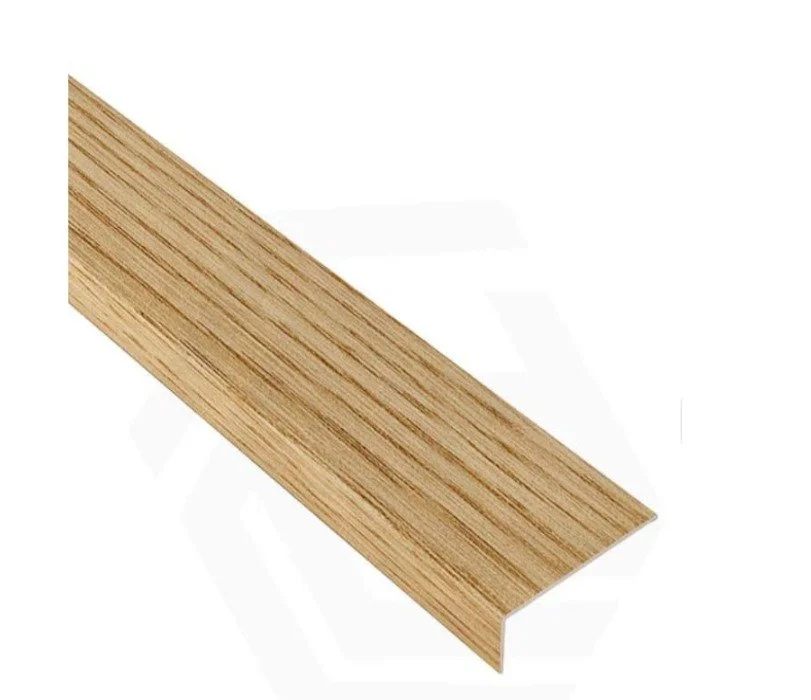
L shape trim, often called angle or edge trim, protects and finishes exposed edges of tile, vinyl, or timber. The vertical leg sits against the side of the floor, while the horizontal leg sits under or beside the surface, creating a crisp metal or colour-matched border. This profile works well along external edges, steps, wall-to-floor junctions, and around built-in joinery. For tiles, L shape trim stops chipping and hides the tile body. With vinyl or timber, it can frame an edge where skirting is not used. Modern L trims are usually slim, with square corners and brushed or matte finishes that keep the look sharp rather than decorative.
Ramp trim for uneven floor levels
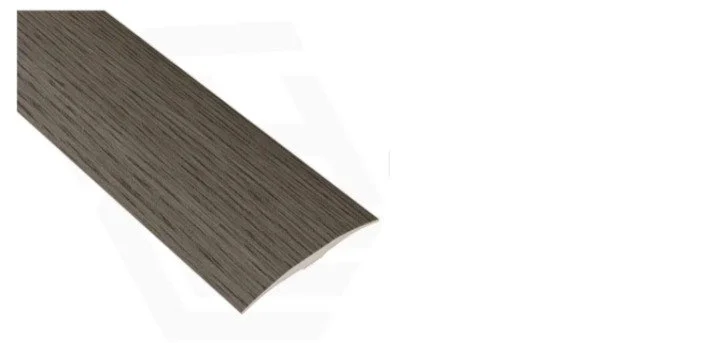
Ramp trims bridge height differences between two floor surfaces so people do not trip and edges do not break down. One side of the profile sits higher, flush with the thicker floor, while the other side tapers gently to meet the lower surface. This creates a smooth, accessible transition that suits doorways and room joins. Modern ramp trims avoid bulky thresholds and instead use low, elongated shapes that almost disappear underfoot. Aluminium is popular for strength and a clean look, though some ranges offer colour options to blend with either floor. Ramp trims are important where tile meets thinner vinyl or timber, or where new floors meet existing ones with different build-ups.
Flat cover and C/U shape trim for tidy joins
Flat cover trims sit on top of a join between two similar-height floors and hide the gap beneath. They often clip into a base channel, so no screws show on the surface. This design allows a little movement and expansion, which suits floating timber and vinyl. C and U shape trims wrap around the edges of floor coverings, gripping or framing them to create a neat, continuous line. They work well at thresholds, around floor panel edges, or where you need to protect both sides of a join. Modern versions keep the visible face slim and can match the floor or contrast for a defined strip.
How Do You Match Modern Flooring Trim With Tile, Vinyl, and Timber?
Matching trim colour and finish with the floor
Colour and finish decide whether trim fades into the background or subtly frames the floor. For a seamless look, match the trim to the main floor tone or grout colour. For example, with light grey tiles, use a similar grey powder-coated trim. With oak-style vinyl planks, pick a warm, light metal or colour-matched PVC. This approach makes the floor feel larger and calmer. If you prefer a slight highlight, choose a trim a shade darker or lighter than the floor. This adds definition without shouting. Brushed aluminium pairs well with cool-toned tiles and concrete looks. Warm metallics complement timber and warm vinyl designs.
Choosing contrast or a seamless look the right way
A seamless look suits minimalist interiors, small spaces, and rooms where you want the floor to feel continuous. Matching trim colour closely to the floor reduces visual breaks and can make narrow hallways or compact bathrooms appear larger. This works particularly well with large-format tiles and long plank vinyl or timber. Contrast, on the other hand, can guide movement and add subtle structure. A slim black trim around pale tiles, for example, creates a graphic frame that suits modern, monochrome schemes. A stainless steel edge against dark stone tiles offers a smart, hotel-style finish. Use contrast in deliberate, continuous lines—at every step edge or around a feature zone—so it looks planned.
Conclusion
Modern flooring trim may be small, but it has a big impact on how finished and contemporary a space feels. By choosing slim, clean-lined profiles and pairing them carefully with your tile, vinyl, or timber, you can lift the look of the entire floor. The right trim protects edges, manages height changes, and hides joins without drawing attention to itself. L shape trims suit exposed edges and steps, ramp trims handle uneven floor levels, and flat cover or C/U shapes tidy joins and expansion gaps. Each profile has a clear role, and using them where they work best leads to a better, longer-lasting result. Match the depth and design of the trim to your floor type, and then decide whether you want it to blend in or create a subtle frame.
Take time to plan trim at the start of your project, not at the end. Think about traffic, moisture, movement, and the finishes used on door hardware and fixtures. When all these details line up, your flooring gains that calm, modern, and cohesive look that separates a basic installation from a professionally finished interior.