A Practical Guide to High-Value Home Upgrades
Premium home investments deliver more than aesthetic appeal. They strengthen marketability, reduce running costs, and create verifiable value that buyers and valuers recognise.
I've developed this guide specifically for Australian owner-occupiers and small investors planning upgrades across Sydney, Melbourne, Brisbane, Adelaide, and Perth. You'll find costs, payback ranges, compliance updates, and practical sequences that balance quick wins with standout renovations.
Whether your budget sits at $10,000 or stretches toward $150,000, the approach remains consistent: start with efficiency measures that pay back fast, move to kitchens and bathrooms that influence valuations, then finish with lifestyle statements that photograph beautifully for listings.
Defining Premium the Investable Way
Premium upgrades only deserve your money when they deliver measurable value, durability, and compliance rather than short-lived trends. I use a four-test rubric that removes emotion from spending decisions and keeps projects anchored to returns.

The Four-Test Framework
First, assess value premium, which is the probability that this upgrade lifts your sale price or accelerates time-to-sell. Second, calculate running-cost reduction through measurable savings on electricity, gas, or water.
Third, evaluate service life and warranty coverage, including parts availability and brand support. Fourth, consider compliance risk and the likelihood of rework or non-conformance issues down the track.
Rate each test from zero to five, then add the scores. An LED lighting upgrade might score 5+5+4+5 = 19 out of 20, while designer tapware scores lower because it delivers minimal bill savings despite strong aesthetics. Double glazing often outranks decorative fixtures because it combines energy savings, acoustic benefits, and decades of service life.
For example, a 6 kW solar system might score highly for value premium, running-cost reduction, and service life, but slightly lower on compliance because of roof-structure checks. A full bathroom re-tile could rate strongly on value and compliance but only moderately on bill savings, which helps you stage higher-impact work ahead of cosmetic swaps.
The 2025 Australian Backdrop
Stable but elevated interest rates and rising construction costs make disciplined budgeting essential in 2025. The Reserve Bank of Australia (RBA) held the cash rate at 3.60% in December 2025, which keeps borrowing costs higher for renovation finance. CoreLogic's Cordell Construction Cost Index shows 3.4% annual growth to December 2024, so I recommend holding 10–15% contingency for cost variance and latent defects.
Trade availability remains patchy in fast-growing suburbs, so secure key trades early rather than assuming short notice will work. Long lead times on imported tiles, tapware, and appliances mean your schedule should allow generous float between demolition, rough-in, and final fit-off.
Regulatory Shifts You Must Know
Engineered stone benchtops are now banned nationally. Manufacture and supply ceased on 1 July 2024, with imports prohibited from 1 January 2025, so designs must pivot to compliant alternatives.
You will need to specify porcelain, sintered stone, or natural alternatives with certified fabrication and documented silica controls. Always request written processes for dust management from fabricators, and file them with your warranties.
The National Construction Code now mandates 7-star NatHERS (Nationwide House Energy Rating Scheme) minimums for new homes, which deliver estimated annual power bill savings of around $183. For existing homes, energy ratings are expanding, which supports access to green loans and improves transparency at sale time.
Quick Wins With Measurable Payback
Efficiency upgrades deliver the fastest returns and create immediate savings you can reinvest into higher-impact rooms. Start here regardless of your total budget so every later upgrade sits on a lean, well-performing base.
Begin with a basic home energy audit, checking draughts around doors, windows, and exhaust fans and noting old appliances on single tariffs. Simple draught sealing, timer switches, and smart plugs can trim usage significantly for a relatively small outlay.
LED Lighting and Heat-Pump Hot Water
Replace halogens and CFLs with quality LEDs rated above 80 on the colour rendering index (CRI). Typical costs range from $100 to $600 for bulbs and basic fittings, with payback often under one year on standard Australian tariffs.
Heat-pump water heaters use roughly 30% of the energy of conventional electric storage, and water heating represents 15–30% of household energy consumption. Installed costs usually sit between $2,500 and $4,500 after rebates, with payback in three to six years depending on your tariffs and hot-water demand.
Rooftop Solar Fundamentals
Australia validated more than four million small-scale systems by December 2024, with rooftop solar supplying approximately 12.4% of national electricity. The first half of 2025 added around 115,000 systems totalling about 1.1 GW, pushing total rooftop capacity to approximately 26.8 GW. Typical system costs range from $5,000 to $13,000 depending on size and hardware, with average payback around 3.5 years and annual savings that can exceed $1,500.
Before installation, obtain a roof condition report, confirm your inverter oversizing strategy, understand export limits, and allow for future battery additions. Use only Clean Energy Council (CEC) accredited installers and ensure monitoring apps are configured for performance tracking and fault alerts.
Where practical, orient panels north or north-west to match afternoon demand, and minimise shading from trees, chimneys, and neighbouring buildings. Slightly oversizing the array relative to current consumption also gives headroom for future electric vehicles or additional heat-pump appliances.
Energy-Efficient Homes and the Sale-Price Premium
Well-documented efficiency features translate directly into higher sale prices and faster days on market. Domain reported a 14.5% sale-price premium, around $118,000 at the median, for homes with energy-efficient features in 2025. A CommBank survey found 71% of Australians believe efficiency upgrades like solar, double glazing, and LEDs lift property value.

Valuers and buyers respond best when they can see how efficiency features reduce real bills, not just star ratings on marketing material. Several Australian lenders now offer lower-rate green home loans, so documented upgrades can reduce both ownership costs and borrowing margins.
How to Evidence Your Upgrades
Keep invoices, serial numbers, warranty PDFs, solar performance dashboards, and before-and-after bill snapshots. Prepare a one-page summary for your agent and a digital folder for interested buyers.
At open homes, add placards or a binder showing model numbers and savings estimates, and position it somewhere buyers naturally pause. Ensure listing photos capture solar arrays, efficient lighting ambience, and quality appliance installations.
Premium Kitchen Investments That Sell
Kitchens remain buyer magnets, but scope discipline prevents overcapitalisation. Australian renovation experts commonly suggest capping kitchen budgets around 2% of property value, and I recommend avoiding costly layout moves unless valuation analysis supports the expense.
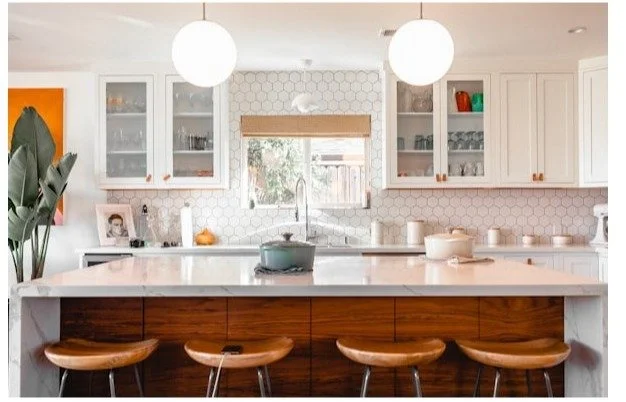
On a $900,000 home, that 2% guideline suggests a kitchen budget of roughly $18,000, which comfortably covers benchtops, appliances, and modest joinery tweaks. To justify higher spending, you need evidence that neighbouring sales support a clear step up in finish level or layout quality.
Surfaces After the Engineered Stone Ban
Specify porcelain or sintered slabs, or natural stones with silica-safe fabrication credentials. Request slab data sheets and warranties, and verify installer qualifications. Consider large-format porcelain splashbacks for fewer grout lines, easier maintenance, and a more seamless appearance in listing photos.
Appliances and Storage
Induction cooktops signal quality, so confirm switchboard capacity and plan for dedicated 32 A circuits with residual-current devices (RCDs) per AS/NZS 3000, the Australian and New Zealand wiring rules. Choose rangehoods ducted externally for indoor air quality, targeting 55–65 dB at typical speeds.
Full-extension drawers, internal pantries, and corner solutions increase functional capacity, while soft-close hardware improves perceived longevity. Budget ranges span $8,000–$20,000 for cosmetic refreshes, $20,000–$40,000 for mid-range upgrades, and $50,000 or more for high-end transformations.
Enamel Cookware
Quality cookware adds perceived kitchen value without expensive re-joinery work. Enamelled cast-iron pieces deliver oven-to-table utility and visual weight on open shelves, making them useful for both daily cooking and staging listings.
If you are refreshing the kitchen without major joinery changes, consider a compact set of enamelled cookware to add durable, photogenic heft to your open-shelf styling. CHOICE notes that cast iron can last a lifetime with correct care, while enamel coating adds corrosion resistance. Avoid thermal shock and use silicone or wooden utensils to protect the finish.
Match cookware colours to your broader palette so the pieces feel deliberate rather than random props. Soft whites, charcoal, and muted greens usually age better in photos than seasonal accent colours that date quickly.
To get the most from your photography budget, many stylists recommend choosing just a few hero pieces that signal substance and longevity, such as weighty Dutch ovens or skillets, and then anchoring the whole palette with a single statement item displayed on the stovetop or an open shelf, for example, enamel cookware.
Selection and Display
Prioritise a versatile Dutch oven, skillet, and casserole in neutral tones. Stage pieces on open shelves or pot rails grouped with chopping boards for warmth. These items work across induction and gas cooktops and photograph exceptionally well for listing campaigns.
Premium Bathroom Investments That Sell
Bathrooms win valuations through waterproofing integrity and ventilation quality rather than showy finishes. Keep plumbing in place unless the valuation case strongly supports relocation, because moving stacks and wastes can double budgets quickly.
Buyers also respond strongly to practical touches such as recessed niches, heated towel rails, and non-slip floor tiles, particularly in family homes. These details add daily convenience without materially increasing plumbing or waterproofing risk.
Waterproofing and Ventilation First
Specify membranes compliant with AS 3740, the Australian waterproofing standard, and insist on flood testing. Photograph installations before tiling for your documentation dossier.
Install extraction ducted to the exterior, sizing fans to room volume with run-on timers to reduce moisture accumulation. Choose mid-tier tapware with available spare parts rather than rare finishes that chip or date quickly.
Budget ranges typically sit at $12,000–$25,000 for basic refreshes, $25,000–$40,000 for mid-range work, and $40,000 or more for high-end transformations. Use milestone payments tied to waterproofing sign-off and fit-off inspections to maintain quality control and give yourself leverage if standards slip.
Holographic Fireplaces
Visual focal points create emotional connections during open homes without requiring structural interventions. Water-vapour flame displays deliver convincing effects without combustion, flues, or added heat, which makes them perfect for year-round ambience in apartments and heritage properties.
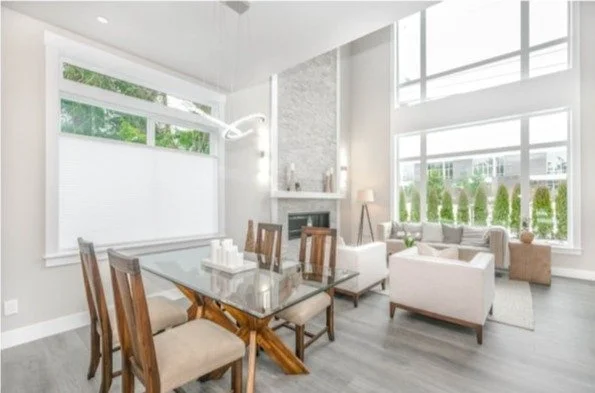
For apartments or heritage homes where flues are impractical, consider modern holographic-style fireplaces to create a luxury focal point with zero combustion and photogenic ambience. Plan for standard power access and water reservoir placement. In hard-water areas, schedule regular descaling to maintain performance.
These units also suit strata environments where open fires trigger compliance headaches or neighbour objections. Because they emit minimal heat, you can safely combine them with delicate finishes such as timber veneers, painted VJ boards, or textured wallpapers.
Installation and Styling
Media walls and custom joinery can frame these units without the heat clearances required by combustion heaters. Balance the installation with layered lighting and textured finishes to enhance realism. Maintain a consistent palette across joinery, hearth framing, and furnishings for cohesive listing photography.
Outdoor and Envelope Upgrades That Pay
External improvements reduce heating and cooling loads while lifting first impressions at sale time. Ceiling and roof insulation top-ups typically cost $2,000–$6,000 and improve both comfort and heating, ventilation, and air conditioning (HVAC) efficiency immediately.
External shading such as awnings, pergolas, and deciduous planting can cut peak summer heat gain while still allowing winter sun. Lighter roof colours and reflective paint systems further trim cooling loads, which buyers notice during hot open-home days.
Windows, Doors, and Street Appeal
Retrofit double glazing costs $15,000–$40,000 depending on house size, while window films at $60–$120 per square metre and external shutters offer cost-effective alternatives. Consider acoustic benefits near busy roads and Bushfire Attack Level (BAL) ratings in bushfire-prone areas.
Tidy, low-maintenance planting and path lighting improve photos dramatically. Repair cracked paths and repaint entry doors for high-ROI facelifts that signal care to prospective buyers.
Sequencing and Sample Budgets
Proper sequencing minimises risk and maintains cash flow throughout your project timeline. Start with items that protect the structure and services, then move into visible finishes and lifestyle features.
● Tier 1 ($5,000–$15,000): LED swap-outs, weather seals, heat-pump hot water, smart controls, and modest paint refreshes. Outcome: lower bills and stronger listing narratives.
● Tier 2 ($40,000–$80,000): Mid-range kitchen and bathroom refresh plus a 6–10 kW solar system, keeping services in place. Outcome: major buyer appeal with measurable running-cost reduction.
● Tier 3 ($120,000–$200,000): Kitchen, two bathrooms, insulation top-ups, select window upgrades, and one standout lifestyle feature. Outcome: cohesive visual uplift with strong energy performance.
When you reach the point of selecting lifestyle statements, it often makes more sense to add a visually dramatic yet low-risk focal point in the living room than to keep upgrading finishes, which is why many designers now specify flexible, apartment-friendly options that integrate easily with existing layouts, such as holographic fireplaces.
Hold 10–15% contingency for hidden defects. Stage works to maintain liveability and avoid committing to long-lead finishes before services checks are complete.
Line up approvals, finance, and key trades in that order so you are not paying interest on unused loan funds. Where possible, schedule bathroom and kitchen works back-to-back so you only endure one period of major disruption and temporary cooking or bathing arrangements.
Build Value Methodically, Sell With Confidence
Methodical planning across services, layout, and documentation converts scattered upgrades into a coherent, sale-ready home. Start by auditing lighting, hot water, and envelope performance for obvious gaps. Book quotes for heat-pump systems and solar if your roof condition supports installation.
Map kitchen and bathroom scope to existing services and shortlist compliant materials that respect the engineered stone ban. Lock in key selections before demolition so your trades are not waiting on last-minute design decisions.
Avoid changing layouts late, under-specifying ventilation, or skipping documentation. Overcapitalising with finishes misaligned to suburb comparables undermines returns. Sequence works so you can list during peak local selling periods rather than in quieter weeks.
Coordinate photography to showcase both efficiency upgrades and lifestyle statements effectively. The combination of reduced running costs, compliant materials, and durable finishes resonates strongly with 2025 buyers managing higher living costs.