A Homeowner’s Guide to Planning a Successful Renovation
A successful renovation begins with a clear understanding of what you want your home to achieve and how each step will support that vision. Many homeowners look for ways to improve comfort, efficiency, and everyday function once they realize their space no longer meets their needs.
Albany has seen steady interest in home improvement as more homeowners recognize the long-term value of updating aging spaces. Local market data shows that home values in Albany are steadily rising, which gives homeowners a stronger incentive to upgrade rather than wait. Let us elaborate on how thoughtful planning guides these improvements toward a smoother, more rewarding renovation experience.
Set Clear Goals for Your Renovation
Clear goals guide every decision that follows. Homeowners benefit from asking what the renovation must accomplish and how it should improve the way they live. Some may want more storage or a layout that feels easier to use. Others may care more about comfort, style, or long-term practicality.
A simple list of priorities helps organize ideas. Must-have items usually support core needs. Nice-to-have features elevate convenience or appearance but are not essential. This balance encourages realistic expectations.
Create a Realistic Budget and Timeline
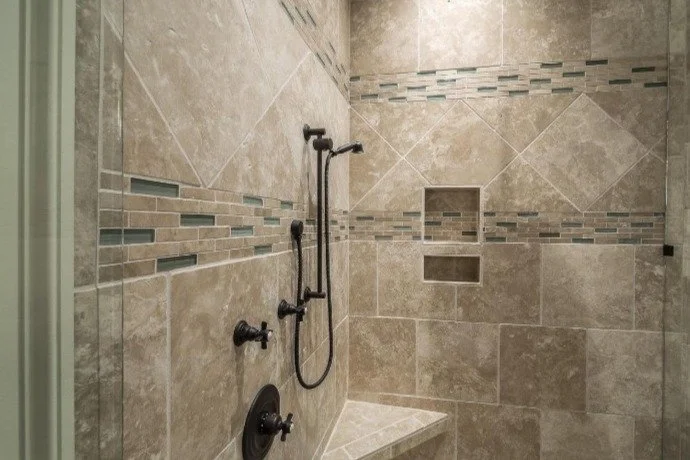
A renovation budget should reflect the scope of the project and allow room for unexpected needs. Many homeowners compare average costs, explore material options, and speak with professionals to understand labor expectations. Bathroom remodeling often becomes a priority because it delivers strong ROI, and Albany homeowners have shown growing interest in upgrades that combine comfort with modern tech features.
Heated floors, programmable showers, and smart mirrors add convenience and appeal, which influences how renovation funds are allocated. These choices shape both budget and scheduling, especially when advanced features require careful coordination. If you’re a local homeowner ready to renovate, you might simplify planning by reaching out to experienced Albany bathroom remodeling contractors for expert guidance.
Choose the Right Scope for the Project
A project’s scope should match the home’s structure, the homeowner’s goals, and the available budget. Projects that expand beyond the original plan often create frustration because each added task increases time, cost, and complexity. A defined scope keeps the work focused and helps everyone stay aligned.
Homeowners gain better control when they match their goals to the space. A single-room update may require straightforward planning, while full-home transformations demand more detailed coordination. Smaller projects often benefit from step-by-step improvements, while larger ones need a more structured plan.
Explore Materials and Design Options
Material research helps homeowners choose options that balance style, durability, and long-term value. Many choices exist for flooring, fixtures, cabinetry, and surface materials. Each one affects cost, maintenance, and the overall feel of the renovated space.
Design decisions shape the atmosphere of a room, so early exploration gives homeowners time to compare ideas without pressure. Mood boards, samples, and inspiration photos help visualize how elements will work together. Careful selection supports satisfaction with the final result because the completed space reflects the homeowner’s vision rather than a rushed decision.
Prepare Your Home Before Work Begins
A prepared home allows renovation work to move forward smoothly. Moving furniture, clearing walkways, and safely storing personal items reduces the risk of damage and gives workers the space they need. Protective coverings on floors and important belongings provide an extra layer of security.
Temporary adjustments help the household function while the project is underway. Families often set up alternate areas for cooking, washing, or relaxing, depending on which rooms are affected. Preparation reduces disruption and creates a more efficient working environment, which helps the project stay on track.
Understand Permits and Project Requirements
Many homeowners overlook permits until the project is already moving forward. A permit confirms that the work meets required standards and follows correct procedures, which protects the homeowner if questions arise later. Some renovations need several approvals, while others need only a single clearance, so clarity early on prevents delays once construction begins.
A review of structural changes, electrical updates, and plumbing adjustments helps determine which permits apply. Contractors usually understand these requirements and can explain the specific steps needed. Permit rules exist to safeguard the home’s long-term stability and support safe workmanship. A homeowner who secures approvals before work starts avoids unexpected pauses that can slow progress or raise costs.
Maintain Clear Communication With Your Contractor
Communication influences every part of a renovation project. A contractor who receives clear direction can align work with the homeowner’s vision without repeated adjustments. Regular conversations help confirm expectations related to schedules, materials, and design choices.
Homeowners often rely on simple written notes that outline questions, decisions, and upcoming tasks. Written reminders help keep everyone on the same page because details can be easy to forget while the project moves at a steady pace. Contractors typically appreciate this level of organization, and it strengthens the working relationship.
Stay Flexible Without Losing Control
Flexibility helps homeowners navigate the natural twists and turns of renovation. Delivery dates may shift, or certain design details may require slight adjustments once work begins. A homeowner who remains steady through these changes often feels more comfortable with the final outcome.
Control remains achievable even when plans shift. A homeowner who reviews updates, tracks progress, and stays actively involved can make informed choices without feeling overwhelmed. Awareness of the broader direction helps maintain the balance between practical needs and personal preference. A composed mindset supports clear decision-making. Renovation rarely follows a perfectly straight path, yet a prepared homeowner can guide the project forward whenever adjustments are needed.
A successful renovation begins long before workers enter the home. Careful planning and clear goals provide the structure needed for smooth progress. A budget that reflects real needs and a practical timeline creates stability. Research, preparation, and steady communication strengthen every stage of the project.
A homeowner who understands permit requirements, stays engaged, and adapts with confidence can manage the renovation without feeling overwhelmed. Each step supports a refreshed space that feels more functional, more comfortable, and more aligned with personal style. A thoughtful process delivers a result that feels well worth the effort.