A Comprehensive Guide to Organizing Overseas Parcel Transportation
Moving parcels across borders takes more than a label and a pickup date. You juggle timelines, item limits, customs paperwork, and the real risk of damage or delay. A clear plan keeps costs predictable and protects your belongings from start to finish. This guide walks through the key steps so you can organize overseas parcel transportation with fewer surprises.
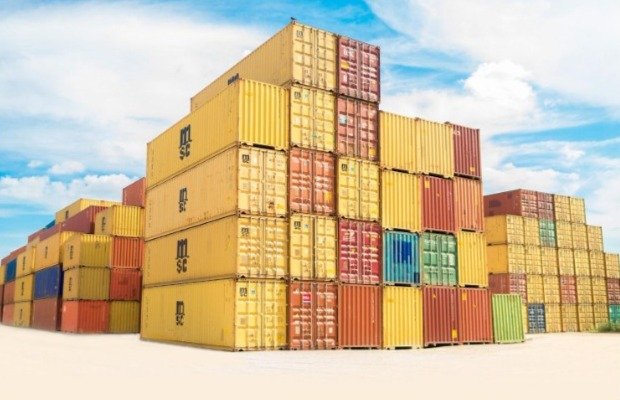
Image Source: https://unsplash.com/photos/assorted-color-filed-intermodal-containers-tjX_sniNzgQ
Create A Detailed Inventory And A Clear Shipping Goal
Start with a full list of what you plan to send. Write down item names, quantities, and rough values. Group items into “must arrive fast,” “can arrive later,” and “do not ship.” This sorting step prevents rushed choices that raise costs and create gaps in your paperwork.
Define a goal for each parcel. Decide if speed, cost control, or extra protection matters most. Your goal influences the carrier choice, service level, packaging method, and insurance option. When you decide early, you avoid paying for features that do not match what you actually need.
Compare Quotes Using Identical Parcel Data
Get quotes only after you finalize box sizes, weights, pickup address, and destination address. A quote built on guesses often changes later. Request a full cost view that covers base transport, fuel charges, remote area fees, oversize fees, customs support, and insurance.
Read the service terms closely. Some services include door-to-door tracking and clear handoff responsibility.
Others rely on local partners with limited visibility. Your risk tolerance should guide your choice. To narrow your options, build a simple comparison list, and place shipping solutions for New Zealand relocation in the middle of that evaluation as a reference point for destination coverage, support quality, and transit reliability. Then compare tracking detail, pickup flexibility, and claim handling rules across your top choices.
Select The Best Transport Method For Your Timeline
International parcel transport usually falls into three lanes: express air, economy air, and sea-oriented services that move cartons within larger loads. Express air suits urgent documents, electronics, and small high-value items. Economy air suits medium urgency goods that still need reliable tracking. Sea-oriented services suit larger volumes and flexible timelines.
Confirm the weight limits, size limits, and how volumetric weight applies. Carriers often charge based on space, not just scale weight. You can cut costs by splitting one oversized box into two smaller boxes that stay inside a cheaper bracket.
Pack With A System That Reduces Damage Risk
Packing quality drives both safety and handling speed. Use sturdy double-wall cartons for heavier items. Match the box size to the contents so items do not shift. Add cushioning that resists compression, such as foam or dense paper fill. Seal seams with strong packing tape and reinforce edges.
Label each box with an internal code that matches your inventory list. Keep the outside label simple and compliant. Save detailed notes in your inventory file so you can identify boxes fast on arrival without advertising contents during transit.
Prepare Customs Information Before You Book Pickup
Customs delays often start with vague descriptions and missing values. Write item descriptions that a customs officer can understand quickly. “Kitchen items” are confusing. “Stainless steel pots and pans, used, personal effects” reads clearly and supports faster review. Add realistic values and keep proof of ownership ready.
Many countries apply extra checks to food, supplements, cosmetics, batteries, and electronics. Review destination restrictions and remove items that trigger complex screening. If you ship personal effects, keep your packing list and a signed declaration in the same folder as your shipment documents.
Build A Timeline And Delivery Plan That Avoids Surprises
Work backward from the date you want items in hand. Add buffer time for peak season, weather disruptions, and customs inspection. Create a “first week kit” that travels with you, not inside a shipment. Include chargers, key documents, basic clothing, and any daily-use items.
Plan delivery access at the destination. Confirm parking rules, building entry rules, delivery hours, and elevator booking needs. These details prevent failed delivery attempts that can lead to storage fees or rescheduled deliveries.
Track The Shipment And Keep Documents Ready
Tracking updates helps you react early. Save a copy of the shipping label, invoice, and packing list for each parcel. Store them in a single folder you can access from your phone. When a carrier asks for proof or clarification, quick replies reduce delay time.
Set reminder dates to check movement. If tracking stalls at a hub for several days, contact support with your shipment number and documents ready. Precise messages move issues faster than vague complaints.
Image Source: https://www.pexels.com/photo/time-lapse-photography-of-white-commercial-airplane-358319/
Overseas parcel transportation runs smoothly when you treat it like a project with steps and checkpoints. Build an inventory, pick a method that fits your timeline, pack with care, and prepare customs details early. Compare quotes using consistent parcel data, keep documents organized, and track movement so you can react quickly. This approach protects your budget, reduces stress, and helps your parcels arrive in good condition.