5 High-End Wellness Hacks That Save You Money (Without Sacrificing Quality)
Living in a city like New York (or any major metropolitan hub) often feels like a constant negotiation between your lifestyle standards and your bank account. We’re conditioned to believe that luxury is synonymous with expensive. If you want the best skin, the fittest body, or the perfect smile, the assumption is that you must pay a premium for it.
However, the smartest consumers today are the ones who understand how to leverage technology, timing, and direct-to-consumer models to get premium results without the traditional markup.
True luxury is about efficiency and quality, not just overhead costs. When you cut out the middlemen and rethink how you access services, you can maintain a high-end wellness routine that fits your budget. Here are five insider hacks to upgrade your lifestyle while protecting your bottom line.
1. The Membership-Free Personal Trainer
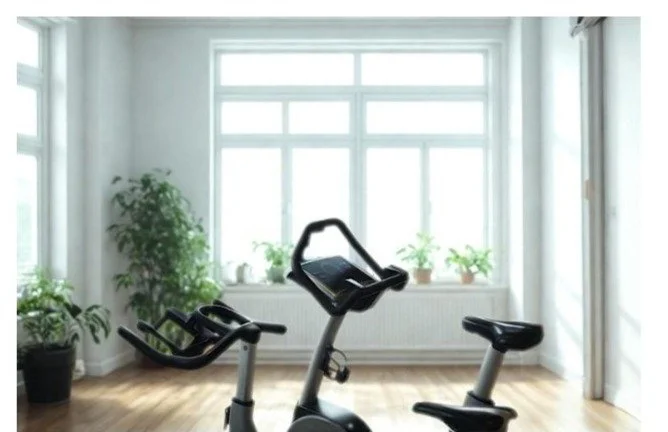
For years, the status symbol of fitness was the Equinox tag or the exclusive boutique studio membership. While these gyms offer incredible amenities, they also come with a monthly price tag that rivals a car payment. If you are paying $300 a month just to run on a treadmill and lift free weights, you are paying for the real estate, not the fitness.
To reduce unnecessary costs, consider decoupling your fitness goals from a physical location. The rise of high-end fitness apps has democratized access to the world’s best trainers. Apps like Peloton (even without the bike), Nike Training Club, or Alo Moves offer programming that is often superior to what you’d get from a generic floor trainer at a big-box gym.
Furthermore, the social aspect of wellness has moved outdoors. In cities like New York, run clubs have become the new country clubs. Groups meeting in Central Park or along the High Line offer the same community accountability and networking opportunities as a luxury gym, but usually for free. Combine a top-tier digital subscription with an active outdoor community, and you get elite coaching and social connection for a fraction of a gym membership fee.
2. Direct-to-Consumer Dental Care
In real estate and business spaces, a confident smile closes deals. However, maintaining that million-dollar smile usually feels like it actually costs a million dollars, especially when you factor in cosmetic maintenance.
The biggest hidden cost is retention. If you had braces or Invisalign in the past, you know that keeping your teeth straight requires a retainer. Traditionally, replacing a lost or broken retainer meant booking a dental appointment, taking time off work, sitting in a waiting room, and paying a markup of 300% or more to cover the dentist’s office overhead.
The smart luxury move is to skip the dental office entirely and get a medical-grade retainer for teeth from brands that let you take your own impressions at home. For example, Cheeky sends you a kit, you bite down, send it back, and receive a custom-fitted retainer delivered straight to your door.
You receive a product of the exact same quality you would in a high-end cosmetic dental suite, but you aren't paying for the dentist's reception area or the view from their office window.
3. Subscription-Based Clean Beauty
Since we all became conscious of what we put on our skin, the clean beauty movement has exploded. However, filling your bathroom cabinet with non-toxic, organic, high-performance serums can quickly drain your disposable income.
The mistake many people make is buying these products ad hoc at department stores or trendy boutiques where the retail markup is highest. Instead of doing that, identify the specific items you can’t live without and switch to a subscription model directly with the brand.
This system saves you from the trap of walking into a beauty store and leaving with several expensive products you didn't need.
4. The Off-Peak Wellness Treatment
Wellness maintenance procedures such as massages, facials, and laser treatments often get cut first when budgets tighten. But in a high-stress environment, these are necessary for your mental and physical health.
The secret to keeping these in your routine is knowing when to book. The wellness industry functions much like the travel industry: dynamic pricing is everywhere, even if it’s not explicitly advertised. Spas and med-spas have low-traffic periods, such as Tuesday mornings or weekday afternoons.
Many high-end facilities list their unbooked slots on apps like ClassPass for significantly fewer credits than a weekend appointment. If you have a flexible schedule or can take a treatment during your lunch break, you can often access 5-star facilities for 3-star prices. It requires a bit of scheduling gymnastics, but the experience is often far more relaxing than fighting the Saturday rush.
5. Smart Recovery at Home
Finally, we need to talk about recovery. If you’re active, you likely deal with muscle tension, stress, and fatigue. The traditional solution is a weekly massage or physical therapy session. While nothing beats human touch, a weekly $150 massage is an annual $7,800 expense.
Try investing in high-quality tech that brings that relief into your living room instead. This is about playing the long game with your money. Investing $300 to $500 one time in a percussive therapy device (like a Theragun or Hypervolt) or a premium, high-thread-count weighted blanket provides you with daily recovery for years.
When you do the math, the cost per use of a high-tech recovery tool drops to pennies over time. It allows you to address stress and pain immediately after a long day, rather than waiting for your next appointment. You’ll simply be front-loading the cost to own the solution, rather than renting relief by the hour.
Conclusion
There is a distinct difference between being cheap and being smart. Being cheap means buying low-quality items that fail to deliver results. Being smart means demanding the highest quality, in the form of a custom-fit retainer, top-tier workout, or premium skincare, but refusing to pay for the inefficiencies of the old way of doing business.
As you leverage direct-to-consumer options and use technology to your advantage, you can curate a lifestyle that looks and feels expensive but isn’t.