3D Visualization for Luxury Real Estate Marketing
3D visualization for luxury real estate marketing helps agents, developers, and property brands present premium spaces with realistic, emotionally persuasive visuals before a buyer visits. It is especially valuable when interiors are unfinished, staging is not ready, weather is unhelpful, or construction is still underway. Luxury buyers are not only judging square footage and finishes, because they are also evaluating lifestyle, atmosphere, privacy, design quality, and the feeling of arrival.
Photorealistic renders, virtual staging, and 3D walkthroughs can support premium listings, off-plan sales, remote buyer conversations, and investor presentations. They help a property look complete, coherent, and desirable when traditional photography cannot yet tell the full story. This guide explains where 3D visuals create the most value and how to use them without making a luxury campaign feel artificial.
What Is 3D Visualization in Luxury Real Estate Marketing?
3D visualization in real estate is the creation of realistic digital visuals that show a property, interior, exterior, floor plan, or walkthrough before every physical detail is available. In luxury real estate, it does more than explain space because it frames mood, status, and the lifestyle promise behind the address. Photography captures what exists, while 3D visualization can show what exists, what is planned, or what a space could become.
For premium homes and developments, this flexibility is commercially important. A bare penthouse, unfinished villa, or off-plan residence may have strong value, but buyers need to see that value clearly. Real estate 3D rendering gives marketers controlled visuals that communicate design intent, material quality, and emotional appeal before the first showing.
Why It Matters for Luxury Buyers
Luxury buyers often make emotional judgments before they move into practical comparison. They want to understand how light enters the room, how private the terrace feels, how materials work together, and whether the home reflects the life they imagine. In luxury real estate marketing, visualization is not decoration because it becomes part of the sales argument.
This matters even more for high-net-worth buyers who may be traveling, investing remotely, or comparing homes across markets. Strong photorealistic rendering can build confidence by showing views, finishes, furniture scale, and atmosphere in a polished but believable way. When the visual presentation matches the asking price, the property feels more credible, easier to remember, and easier to justify internally.
There is also a timing advantage that matters in competitive luxury markets. Buyers often shortlist properties before they speak to an agent, schedule a tour, or request deeper materials from a developer. Strong visual storytelling can move a property from passive consideration to active inquiry by making the offer feel clear, distinctive, and emotionally complete.
Where 3D Visualization Creates Value
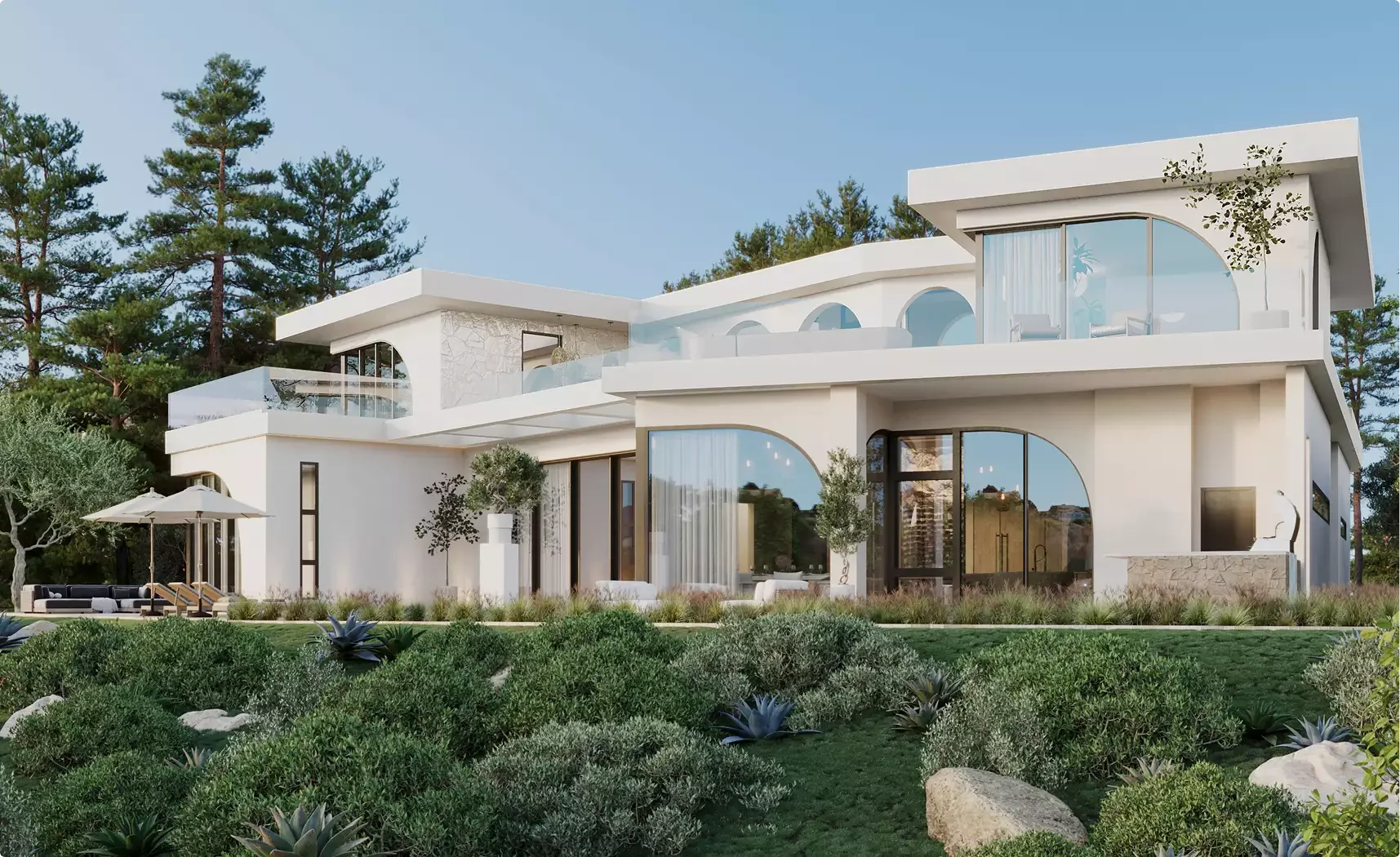
Photorealistic renders are used for exterior views, interiors, amenities, penthouses, villas, and new developments. They allow teams to show architecture, lighting, landscaping, and materials with editorial control. For high-value homes, this helps every hero image support positioning.
Virtual staging helps an empty or visually difficult space read as a finished lifestyle environment. Instead of asking buyers to imagine furniture, warmth, and proportion, it shows a refined version of how the room could feel.
A 3D walkthrough gives remote buyers a sense of movement through the property. It helps them understand layout, flow, ceiling height, and room relationships in a way static images cannot. This is useful for international clients who may narrow choices before flying in.
3D floor plans turn technical layout information into a clearer visual story. They show room connections, circulation, furniture placement, and functionality better than flat plans. Interior concept visualization can then add materials, lighting, furniture, and finishes so the buyer sees both logic and lifestyle.
These formats work best when they are planned as one campaign system rather than separate assets. A render may attract attention in a listing, while a walkthrough can support deeper evaluation during a private follow-up. Floor plans and interior concepts then help agents answer practical questions without losing the emotional quality of the presentation.
3D Visualization vs Traditional Real Estate Photography
Traditional photography remains valuable because it documents the real property and helps buyers trust what they are seeing. It works best when the home is finished, furnished, well lit, and ready to be captured at its strongest moment. For completed luxury residences, photography can provide authenticity, texture, and a sense of lived-in credibility.
3D visualization has a different role because it gives marketers control before perfect physical conditions exist. It can show redesigned interiors, planned amenities, future views, and finished architecture while a property is still empty or under construction. That makes 3D visualization vs photography less of a replacement question and more of a sequencing decision.
For premium campaigns, the strongest approach often uses both tools at the right stage. 3D visuals help create demand early, guide buyer imagination, and support pre-launch materials. Photography can then reinforce the final reality once the property is ready for in-person showings or a full market release.
How Developers and Agents Use 3D Visualization for Pre-Sales and Premium Listings
Developers use pre-construction marketing to show luxury residences before the building is complete. Exterior renders, sales gallery visuals, investor decks, paid campaigns, and private previews can all carry the same design language.
Agents use architectural visualization to improve listings, reposition empty homes, present renovation potential, and explain value to remote buyers. Many developers and agents now rely on professional 3D visualization for real estate marketing to present premium properties before they are ready for traditional photography. Exterior visuals are especially important at the earliest stages, which is why 3D exterior rendering services help communicate architecture, materials, landscaping, lighting, and overall curb appeal before construction or staging is complete. For a luxury property listing, the goal is not only to show layout but to make the lifestyle promise feel specific.
The same visual system can also reduce friction across the sales journey. A buyer may first see a hero render in a paid campaign, review a digital property tour on a private page, and later receive a deck with matching interior visuals. When every touchpoint feels consistent, the property appears more considered, more premium, and more ready for serious evaluation.
This consistency matters for investors as much as private buyers. A polished visual package can make a planned development easier to understand in meetings, funding conversations, and early sales presentations. It gives stakeholders a shared picture of the finished product before construction documents or floor plans have done the full persuasive work.

How to Make 3D Visuals Feel Premium, Not Artificial
The strongest 3D visuals look refined, not exaggerated. Natural lighting usually feels more expensive than overdramatic effects, and materials such as stone, wood, glass, and textiles should have believable texture. Furniture and styling should match the expected buyer profile rather than repeat generic luxury clichés.
Clean compositions also matter because premium buyers respond to restraint. Avoid over-polishing renders until surfaces look plastic, and keep views grounded in how the property would actually be experienced.
The best results usually come from a clear creative direction before production begins. Agents and developers should define the buyer profile, the property’s strongest emotional cues, and the role each image will play in the campaign. That preparation helps the final visuals feel like a refined editorial property feature, not a computer-generated sales pitch.
The Takeaway for Premium Property Marketing
3D visualization for luxury real estate marketing helps premium properties communicate value before buyers step inside. It is especially useful for pre-construction projects, empty homes, redesigned interiors, and remote sales conversations. The strongest results come when visuals feel realistic, tasteful, and aligned with the property’s market position.
For agents, developers, and owners, the real advantage is clarity. When a buyer can understand the space, feel the atmosphere, and imagine the lifestyle sooner, the property becomes easier to evaluate and harder to forget. In luxury real estate, that early emotional certainty can be just as important as the first physical visit.