How Hand Ranking Functions in Live Baccarat and Standard Variants

Baccarat remains one of the most popular table games in casinos worldwide. This is due to the game’s fast pace, clear strategy, and fairly low house edge. Even though baccarat seems to be a very mysterious game, its rules can be learned quite easily. Understanding how hand ranking works will make every round of the game more enjoyable.

If you want to play baccarat online, you should find a secure platform that offers high performance and live streaming features. With the help of ufa website, you will be able to enjoy live dealer games with flawless card dealing and a true-to-life casino environment.

How Do Baccarat Hand Values Work?

In baccarat, each card has a unique point value that differs from those used in poker or blackjack hands. The aim of the game is to predict which hand will have the closest value to nine.

Point System for Each Card

Every card has its own point value:

  • Aces: 1 point.

  • Cards 2-9: Their face value.

  • 10s, Jacks, Queens, and Kings: 0 points.

The Double-Digit Rule Explained

In baccarat, there are no hands that go beyond the number nine. If the sum of two or more cards goes into double digits, then you should just discard the first digit.

For instance, if your hand gets 7 and 8, it means that you have 15 points. Once you get rid of the first digit, you have 5 as the final hand value. Likewise, 9 and 6 give you 15, and again the hand value is 5.

Natural Wins and the Significance of Nine

The "natural" hand is the highest possible in baccarat. This hand arises when either the Player or the Banker gets an initial total of 8 or 9 using only two cards.

If a natural hand emerges, the game instantly comes to an end. No further cards will be drawn, and the winning bets will be paid off. A natural 9 is better than a natural 8. When two hands have equal natural totals, the outcome is a Tie.

Popular Baccarat Game Variants Overview

Although classic baccarat has a fixed set of rules, there are numerous variations of the game offered in live online casinos for different player preferences.

Punto Banco

Punto Banco is the classic North American variant of the game. All card draws are managed by the dealer according to strict tableau rules. The players do not need to make any decisions after placing their first bets on Punto (Player), Banco (Banker), or Tie.

Speed Baccarat

Speed Baccarat applies the same hand rankings but with increased speed. A typical game takes about 48 seconds, but Speed Baccarat takes only 27 seconds to complete one round. The cards are then revealed face-up immediately after closing the betting session.

No Commission Baccarat

In regular baccarat, Banker winners receive a 5% commission for each win. In No Commission Baccarat, 1:1 payouts are provided for most Banker winners except when the total of the winning hand is 6, whereby the odds are cut to 0.5:1 to maintain the house edge.

Seamless Integration with Modern Live Platforms

Thanks to modern technology, players can access high-quality live dealer sessions through any gadget. High-speed streaming, an easy-to-use interface, and instant card recognition provide an enhanced online experience.

With the right entry point such as ufabet Access (ufabet เข้า), one is able to connect instantly to live baccarat sessions and watch the game being played in real time without any technological barriers.

Baccarat Table Strategy and Betting Basics

Each hand offers three main bets:

  • Player Bet: Returns 1:1. The house advantage is about 1.24%.

  • Banker Bet: Returns 1:1 (commissioned by 5% in regular baccarat). The house advantage is 1.06% and thus the optimal choice statistically.

  • Tie Bet: Returns 8:1 or 9:1. The house advantage rises above 14%, making it a risky bet.

Conclusion

The learning of baccarat hand hierarchy is easy after remembering the point value and the double-digit deduction rule. It does not matter whether you play the classic Punto Banco or Speed Baccarat; the basic principles will be the same. Just make your bets wisely and have fun playing!

/
script>

Inspirata Group Andrea Dalessio Discusses the Rise of Curated and Fully Composed Estates

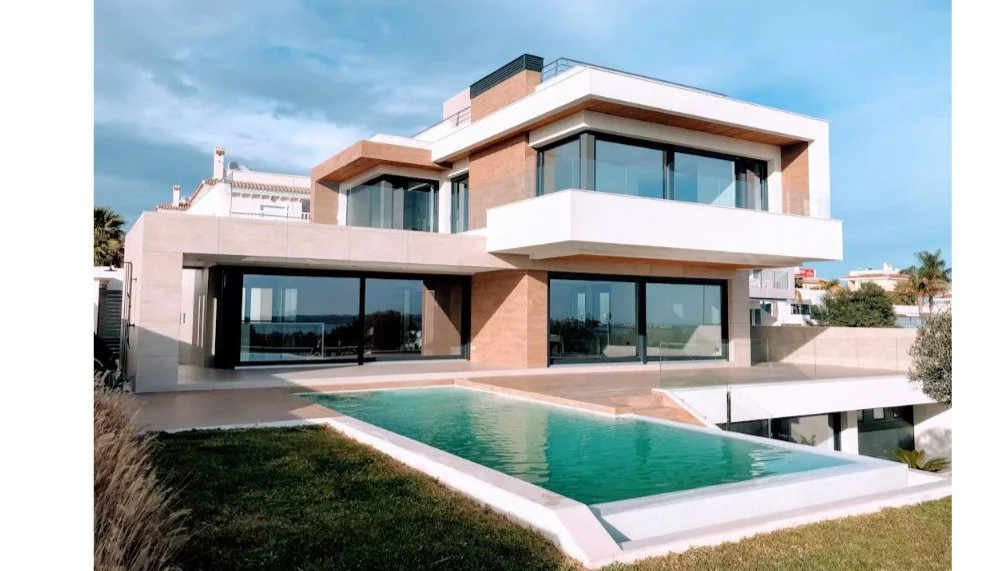
In the luxury real estate sector, there's a growing desire for properties that embody a complete picture, where every element is meticulously selected and thoughtfully arranged. For Inspirata Group Andrea Dalessio, this shift has redefined the meaning of exclusivity, giving rise to fully composed estates where architecture, interiors, and landscapes are harmonized for a seamless living experience. Whether motivated by aesthetics, lifestyle, or investment potential, buyers are gravitating toward homes that offer intentional design and a sense of personal expression.

Curated Estates

Unlike traditional developments that focus mainly on structure and function, these estates blend architecture, interiors, and landscaping with a sense of purpose. Many high-end properties now showcase this approach, using thoughtful design and customization to reflect the owner's vision and lifestyle.

This trend highlights a shift toward properties that offer a more personalized and cohesive experience. The rise of curated backdrops signals a new era where the emotional impact and sensory experiences of a home are valued as highly as its square footage or location. Inspirata Group Andrea Dalessio has watched this expectation move steadily down the market, but it remains most pronounced among buyers of estates valued at $50 million and above, where the budget allows every decision to be made deliberately.

Fully Composed Estates

Fully composed estates represent a new chapter in luxury real estate, where properties are conceived as complete, unified environments from the outset. This concept has roots in historic estates, yet today's approach goes beyond opulence, emphasizing intentionality and a seamless blend of indoor and outdoor spaces. Over the past decade, the appeal of owning a residence that feels curated from top to bottom has surged, with buyers and investors drawn to the exclusivity and individuality these estates offer.

High-net-worth individuals increasingly seek out homes that serve as a sanctuary and statement piece, reflecting a growing desire for spaces that are distinctive. In cities like Los Angeles or London, entire enclaves are emerging around this philosophy, setting new benchmarks for luxury. In Miami and New York, where Inspirata Group Andrea Dalessio’s construction and development work is based, the same pattern is visible in waterfront estates and townhouse assemblages that are designed, built, and furnished as a single project rather than in stages.

Core Elements of a Fully Composed Estate

A fully composed estate combines architecture, interior design, and landscaping into a single, unified vision. Unique touches such as handcrafted finishes, site-specific art installations, or custom-built furnishings often set these properties apart from conventional homes. Many of these estates incorporate smart home systems and eco-friendly features, merging comfort with innovation.

The result is a dwelling that feels intentional in every aspect, where each choice contributes to a sense of harmony and exclusivity. Tranquil gardens, wellness suites, and even private art galleries are becoming staples, contributing to an immersive, all-encompassing atmosphere. What ties these elements together is a single governing concept. A material palette that carries from the façade to the millwork to the pool deck, or a landscape plan that frames the same view from the entry, the primary suite, and the terrace, is what separates a composed estate from a collection of expensive rooms.

Advantages for Homeowners and Investors

Living in a fully composed estate often means enjoying a visually stunning backdrop, but the benefits reach beyond that. Residents find that thoughtful design choices can enhance daily routines, improve comfort, and even support well-being. Many buyers are motivated by the prospect of increased property value, knowing that curated features and cohesive design appeal to discerning future owners.

There's also a sense of pride that comes with owning a property that stands out in the market. Over time, these estates often prove to be sound investments, as demand for one-of-a-kind properties continues to rise among affluent buyers. In Dalessio's experience, a composed estate also tends to transact more smoothly at resale, because the buyer is acquiring a finished vision rather than a renovation project with an uncertain cost and timeline. Brokers often observe that a home where the furnishings, art placement, and landscape were conceived together photographs better, shows better, and spends fewer days on the market than a comparable property assembled piece by piece over several ownerships.

Considerations and Challenges: Andrea Dalessio on Coordination

While the rewards are substantial, a curated estate demands careful planning and financial commitment. Owners often navigate a web of design decisions, collaborating with architects, interior designers, and landscape professionals to ensure every detail aligns with their vision.

Some buyers find it challenging to balance personal preferences with broader market appeal, especially when considering long-term resale prospects. The process can be complex, yet those who invest the time and resources are rewarded with a home that feels uniquely their own. Coordination is the hidden cost. When architecture, interiors, and landscape are handled by separate firms on separate timelines, the composed quality that buyers are paying for is the first thing to erode. Dalessio favors a model in which construction, design, and site work are managed under one roof so that decisions in one discipline are tested against the others before they become expensive to reverse.

Trends and Market Growth

The appetite for curated spaces shows no sign of slowing down. As lifestyles change and technology advances, new ideas are shaping what it means to live in a fully composed estate. Wellness features, adaptable spaces, and sustainable materials are becoming more prominent, reflecting a shift toward mindful living.

Designers and developers constantly experiment with ways to push the boundaries, ensuring the concept remains fresh and relevant in a rapidly evolving market. As global influences and technology continue to shape preferences, the next wave of curated estates will likely blur the lines, offering experiences that are both innovative and deeply personal. For Inspirata Group Andrea Dalessio, the direction is clear: the estates that hold their value in the coming decade will be the ones conceived as a whole, where the land, the building, and the life lived inside it were designed together from the first sketch.

/
script>

Patience in Property: What Flipping Taught Frank Berenyi About Capital and Timing

Most people meet real estate through the success story. A property is bought, improved, and sold at a profit, and the whole thing is compressed into a before-and-after photo. What the photo leaves out is everything that made the result possible: the months of waiting for the right deal, the budget that had to survive contact with an old building, and the decision to walk away from three properties for every one that was purchased. Frank Berenyi has bought, renovated, held, and sold property in Maine for years, and he describes flipping less as a way to make money quickly than as a long education in two things most businesses get wrong: how to manage capital and how to time a decision.

Why Property Punishes Impatience

Real estate is unusual among businesses because almost every mistake is expensive and almost none of them are fast to fix. A restaurant that misjudges its menu can change it next week. A property bought at the wrong price carries that error for the life of the investment. Frank Berenyi came to real estate after years of operating hospitality venues, where problems announced themselves nightly and could be corrected quickly. Property moved at a different speed, and the first lesson it taught him was that speed itself was the hazard.

An impatient buyer pays too much because they want to be in the market. An impatient renovator cuts corners to reach the finish line. An impatient seller accepts a weak offer because carrying costs are uncomfortable. In each case, the market does not punish the mistake immediately, which is exactly what makes it dangerous. The consequences arrive months later, when the capital is already committed, and the options have narrowed. Learning to tolerate the discomfort of waiting, Frank Berenyi found, was the difference between operators who stayed in the market and those who left it after one hard deal.

Capital Is the Thing You Are Actually Managing

It is tempting to think of flipping as managing a building. In practice, it is managing money, and the building is simply where the money lives for a while. Every dollar in a renovation is a dollar that cannot answer the phone when a better opportunity calls, and it cannot cover the surprise behind the drywall. Frank Berenyi learned to size each project against the capital he could afford to have tied up, not against the most he could borrow or stretch toward.

That distinction sounds conservative, and it is. But conservative capital management is what makes aggressive moves possible later. An operator who keeps reserves can act decisively when a strong property comes to market at the right price, while a fully extended operator can only watch. The flipping business taught him to hold some capital back on purpose, accepting a slightly lower return on any single project in exchange for the flexibility to respond when timing favored him.

The same logic governs the renovation budget. A number that assumes nothing will go wrong is not a budget; it is a hope. Older Maine properties in particular reveal their problems slowly, and a plan that leaves no room for them converts a profitable project into a loss the moment reality intervenes. Building a margin into every estimate is not pessimism. It is the recognition that the margin is what keeps the operator in business long enough for the good outcomes to accumulate.

Timing Is Learned, Not Lucky: How Frank Berenyi Reads a Market

The other half of the education is timing, and here Frank Berenyi is firm that the word luck gets too much credit. Property markets move in cycles, and the operators who do well are the ones who study the cycle rather than fight it. Reading demand in a specific town, noticing when inventory is thin or crowded, and understanding what buyers in that market will actually pay for are skills built through attention and repetition. None of them are available to someone who is in a hurry.

Timing also means knowing which strategy fits the moment. Not every property is meant to be flipped. Some are worth more held, rented, and improved gradually, and recognizing that requires a longer view than the quick-sale model encourages. Frank Berenyi built a portfolio of owned assets alongside the properties he repositioned and sold, and the decision between the two was always a timing question: what does this market, right now, reward? Having the patience and the capital to choose either path, rather than being forced into one, is itself a competitive advantage.

The Deals That Were Never Done

Ask an experienced investor about their best decisions, and many will point to deals they did not make. A property can look attractive at a glance and fall apart under honest scrutiny, and the pressure to act, especially in a busy market where activity feels like progress, is real. Frank Berenyi treats the ability to say no as a core discipline, because a mediocre deal entered out of fear of missing out ties up capital that a better deal will eventually need.

Saying no is harder than it sounds. It means tolerating weeks or months of apparent inactivity while competitors appear to be busy. But the operators who last are usually the ones who passed on the properties that later sank less careful buyers. Knowing what not to buy is at least as valuable as knowing what to buy, and it is a judgment that sharpens only through honest review of past decisions.

What Each Transaction Teaches

That review is where the real education happens. Every property deal contains information: about the local market, about the reliability of a cost estimate, about the operator's own tendencies under pressure. Frank Berenyi makes a practice of studying his transactions after the fact, the ones that went smoothly and the ones that proved harder than expected. A deal that produced a good return for the wrong reasons is worth examining as closely as one that lost money, because the next market may not be as forgiving.

Over many transactions, this habit compounds into something that no formula replaces: a feel for the market and for one's own judgment. Patterns and warning signs become visible earlier. Estimates get tighter. The instinct to wait, or to move, becomes more reliable. The patience and discipline that look like personality traits from the outside are, in his telling, habits built one deal at a time.

Lessons That Travel Beyond Real Estate

The reason Frank Berenyi values this education is that very little of it stays inside property. The discipline of protecting capital, of planning for the downside before the upside, of waiting for the right moment rather than the first moment, and of walking away from a deal that does not meet the standard applies to every business he has operated since. Hospitality, retail, and new ventures all demand the same judgment about when to commit resources and when to hold.


Real estate also gave him something that operators of a single business rarely have: diversification. Income and assets spread across property and operating companies reduced his dependence on any one of them and provided the stability to pursue new opportunities without betting everything on one outcome. For anyone considering property as a business, that may be the most important lesson of all. Flipping is not a shortcut. Approached with patience and respect for risk, it is one of the most demanding schools for capital management available, and its graduates tend to run everything else better for having attended.

About Frank Berenyi

Frank Berenyi is a Maine-based entrepreneur whose career spans martial arts, hospitality, real estate, and cannabis retail. A former competitive athlete and the founder of Marijuanaville, he remains active in real estate investment, operational strategy, and ongoing support for shelters and community organizations.

/
script>

How AI Gay Boyfriends Shape Modern Dating Trends

During a monthly budget check, you notice the dating line creeping up: paid app tiers, drinks, rides, and another dinner with someone who faded by Friday. That moment has become part of modern dating, too. AI gay boyfriends are changing how you test attraction, rehearse conversation, set limits, and decide which real dates deserve your time.

Dating Practice Has Moved Into Private Chat

For many gay men, dating has always involved rehearsal. You think through the opening line, the photo choice, the timing of a reply, and the safest way to ask what someone wants. AI gay boyfriends bring that rehearsal into a private chat format where you can try language before using it with a real person.

One reason an ai gay boyfriend fits this trend is that the phrase describes a specific kind of interactive roleplay built around male attraction and gay dating signals. That matters because generic scripts often miss tone, camp, directness, caution, and humor that shape queer flirting. The useful part is the low-pressure practice: you can see how a message sounds, then adjust it before sending anything to someone you actually want to meet. The habit is shaping dating by making preparation feel normal.

The New Dating Routine Starts Before the First Date

AI gay boyfriends are also changing the timeline. The first “date” may now happen in your head, on your phone, and in a simulated exchange before you ask anyone out. That does not make the real meeting less meaningful; it gives you a clearer sense of what you are trying to say.

A practical routine usually follows this order:

  1. Name the situation: Decide whether you are opening a chat, asking for a date, or slowing things down.

  2. Draft the message: Write the line as you would send it, with normal spelling and your usual tone.

  3. Test the reaction: See whether the exchange feels warm, pushy, vague, or too formal.

  4. Edit for real life: Keep the words that sound like you and remove anything performative.

This pre-date routine is one reason shorter, clearer messages are spreading. People are learning to arrive with intent.

Flirting Norms Are Getting More Specific

AI gay boyfriends reflect a wider change in flirting: broad charm is losing ground to specific attention. “Hey handsome” still exists, but many daters now expect context. A better opener mentions the book in a profile photo, the neighborhood in a bio, or the fact that someone says he prefers coffee over cocktails.

That shift matters for gay dating because tone carries extra work. A message may need to signal attraction, respect, and safety in a small space. AI gay boyfriends give users a place to practice that balance. Over time, this can make real conversations feel sharper, because you have already learned which lines sound lazy and which ones invite a reply.

Boundaries Are Becoming Part of the Conversation

Modern dating trends also show a stronger focus on boundaries before chemistry takes over. AI gay boyfriends can help you put those boundaries into words without turning every exchange into a formal negotiation. You might practice how to say you want to meet in public, how to explain your pace, or how to decline a topic that feels too personal.

Useful boundary checks include:

  • Time: Say when you are free and when you will stop replying for the day.

  • Tone: Match flirtation with the level of trust already built.

  • Privacy: Keep work details, addresses, and family information out of early chats.

  • Emotional load: Notice when a stranger expects support you have not offered.

This language carries into real dating. Clear limits can make attraction easier to enjoy because both people know the frame.

Comparisons Are Raising What Users Expect

As AI gay boyfriends become part of dating culture, users are getting more selective about the quality of the exchange. They notice whether a chat remembers context, keeps a believable personality, and responds in a way that feels emotionally consistent. Those expectations then influence how people judge real dating apps and even real conversations.

A search such as ourdream ai vs candy ai sits inside this broader habit of comparing AI relationship formats before choosing how to spend time or money. The comparison mindset teaches users to look at conversation feel, persona depth, limits, and pricing as separate factors. In gay dating, that habit can translate into more deliberate choices: you start asking what kind of interaction you want before you accept whatever the feed gives you.

This trend also pressures dating platforms indirectly. When people grow used to responsive exchanges elsewhere, slow matches and empty profiles feel weaker.

The Pressure to Be Always Available Is Changing

AI gay boyfriends are available on your schedule, which can make human availability feel different. A simulated reply can arrive whenever you want one, while a real man has work, sleep, friends, stress, and a phone battery at 8%. The gap can distort expectations if you forget that real attention has limits.

The healthier trend is using AI gay boyfriends to manage your own anxiety between replies. If you tend to overthink a pause, practice writing the second message without sending it. If you rush into intensity, slow the exchange down and see whether the interest still feels genuine. This can reduce the urge to chase instant reassurance from someone you barely know.

Real Dates Are Feeling the Ripple Effects

The influence shows up offline in small ways. You may arrive at a date with better questions, a clearer idea of your deal breakers, and less need to perform confidence. You may also become faster at spotting when a chat has turned into entertainment with no plan to meet.

AI gay boyfriends can make people more articulate about desire, but real chemistry still depends on timing, body language, and shared effort. A practiced line helps only when it opens a real exchange. The strongest dating trend here is discernment: using digital rehearsal to choose fewer, better dates, then giving those dates your full attention.

Use the Tool, Then Return to the Person

AI gay boyfriends are shaping modern dating by making practice, boundaries, and selectivity more normal. The practical move is simple: use the chat to clarify what you mean, then bring your own words to real people. Dating improves when preparation supports presence, and the person across from you gets the human version.

/
script>

Panama vs Costa Rica: Where Should Foreigners Buy Property?

Panama and Costa Rica sit side by side on the map, share the same tropical climate and draw the same kind of buyer: North Americans and Europeans looking for a beach house, a mountain retreat or a place to retire. On a postcard they look interchangeable. On a purchase contract they are not.

The two countries treat foreign owners, beachfront land, taxes and residency quite differently, and those differences can add or subtract tens of thousands of dollars over the life of a property. Here is how they compare for a foreign buyer in 2026.

Panama vs Costa Rica at a glance

Panama

Costa Rica

Currency

US dollar (the balboa is pegged 1:1)

Costa Rican colón; homes are listed in dollars, but taxes and fees are paid in colones

Can foreigners own property?

Yes, with the same rights as citizens; exceptions near borders and on some coastal and island land

Yes, with just a passport; exceptions in the coastal maritime zone

Beachfront

Some coastal and island land is held by concession rather than full title

First 50 m from the tide line is public; the next 150 m is concession land, and foreigners need five years' residency to hold a majority stake

Buyer closing costs

About 1.2% to 2% (mainly the buyer's own lawyer)

About 3.5% to 5%

Transfer tax

2%, customarily paid by the seller

1.5%, part of the buyer's closing costs

Annual property tax (home)

Primary residence exempt up to $120,000 of registered value; secondary homes from 0.6% above $30,000

0.25% of registered value, plus a luxury home tax on construction over about $318,000

Retiree residency

Pensionado: $1,000 a month, or $750 if you own property worth $100,000+

Pensionado: $1,000 a month

Residency by property purchase

Qualified Investor: $300,000 in real estate

Inversionista: $200,000 investment

Mortgages for foreigners

Available up to about 75% of value for qualified buyers

Generally only for legal residents, with low loan-to-value and high rates

Figures are as of October 2026 and change often, so confirm them with a local attorney before you buy.

Where Panama comes out ahead

No currency risk. Panama runs on the US dollar. You buy in dollars, pay your taxes in dollars and sell in dollars. In Costa Rica, listings are priced in dollars but taxes, fees and building costs are paid in colones, and the colón hit its strongest level against the dollar in nearly two decades in 2026. For a buyer holding dollars, that quietly raises the real cost of owning.

Cheaper to close. In Panama the 2% transfer tax is customarily paid by the seller, so a buyer's costs on a cash purchase are usually 1.2% to 2%, mostly their own lawyer. In Costa Rica the buyer typically pays 3.5% to 5%. On a $400,000 home, that gap can be $10,000 or more.

Lower tax on your own home. Panama exempts the first $120,000 of a primary residence's registered value from property tax. Costa Rica charges 0.25% a year from the first dollar, plus a separate luxury home tax on larger houses.

Easier financing. Qualified foreign buyers in Panama can borrow up to about 75% of a titled property's value. In Costa Rica, bank loans are generally limited to legal residents, so most foreigners pay cash or borrow at home.

A cheaper retirement visa for owners. Both countries ask retirees for $1,000 a month in pension income. Panama lowers that to $750 if you own property worth $100,000 or more, and its Pensionado card brings discounts on everything from flights to medical bills.

Where Costa Rica comes out ahead

A lower bar for investor residency. Costa Rica's investor residency starts at a $200,000 investment, compared with $300,000 in real estate for Panama's Qualified Investor visa.

A long-established expat scene. Costa Rica has been marketed to North American buyers for decades. Towns like Tamarindo, Nosara and the Central Valley suburbs have large English-speaking communities and plenty of services aimed at newcomers.

Eco-tourism brand. If you plan to rent to tourists, Costa Rica's reputation for nature travel is hard to beat, particularly in Guanacaste and on the southern Pacific coast.

One caution on the beach. Costa Rica's maritime zone is the biggest trap for foreign buyers. Within 200 metres of the high-tide line you cannot hold normal title, and foreigners without five years of residency cannot control a concession. Many buyers end up in workaround structures that put their beach house in someone else's name on paper.

The verdict

For most foreign buyers focused on the numbers, Panama is the stronger choice. Dollar pricing removes currency risk, closing costs are a fraction of Costa Rica's, the primary-home tax exemption is generous, and financing is open to non-residents. Costa Rica still makes sense if you want its established expat towns or its eco-tourism rental market, and if you are comfortable with higher purchase costs and the beachfront rules.

Whichever country you choose, two rules apply everywhere. Hire your own independent lawyer, and work with an agent who represents you rather than the seller. If Panama is on your shortlist, start by browsing current Panama real estate to see what your budget buys in the city, at the beach and in the mountains.

/
script>