A Kitchen With No Dishwasher in 2026: Small Detail, Big Reaction From Traditional Buyers

Kitchen expectations have changed a lot in recent years. Buyers in 2026 often look for convenience features that match busy daily routines. A dishwasher has become a standard item in many homes, and missing it can shape buyer interest in surprising ways.
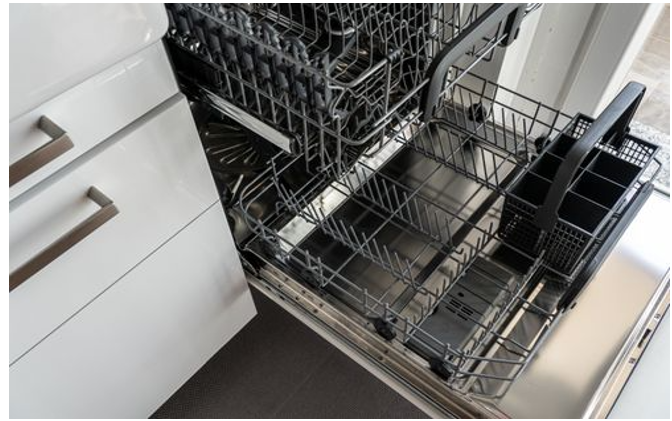
A kitchen without a dishwasher may still function well for cooking and cleaning. However, many traditional buyers connect this missing feature with extra effort, added time, and possible renovation costs. Even a small detail like this can influence property value, negotiation speed, and overall perception of home quality.

Buyer Reactions When Dishwasher Is Missing

Kitchen layouts without dishwashers often create immediate reactions during property visits. Many buyers imagine daily dishwashing tasks and start thinking about long-term effort. This reaction can happen even when the home conditions look clean and modern in other areas.

Buyer Concern Overview

Some buyers accept missing dishwasher setups when kitchen design offers strong counter space, storage, and sink access. Other buyers may see absence as a drawback that affects comfort level in daily living.

Listing Approach With Clear Communication

Clear communication plays an important role when presenting a home without a dishwasher. Listing description should highlight kitchen strengths and explain available space for future installation, if possible.

iBuyWI buyers can present a kitchen layout in a way that focuses on usability rather than missing features. Simple phrasing about cooking space, cabinet storage, and plumbing access can help buyers understand the full potential of the area. Transparency creates trust and reduces negative assumptions during showings.

Kitchen Functionality Without Built-In Dishwasher

A kitchen can still perform well without a built-in dishwasher when the design supports efficient workflow. Sink placement, counter layout, and storage access become more important in this situation.

Kitchen Feature Comparison

Some homeowners prefer extra cabinet space instead of a dishwasher unit. In compact kitchens, removing the dishwasher can create an additional storage area for cookware, pantry items, or small appliances.

Upgrade Options for Future Value

Homes without dishwashers still offer upgrade opportunities that attract buyers interested in customization. Installation can be planned during renovation or after purchase when plumbing access allows easy setup.

Common upgrade paths include:

â—Ź     Compact dishwasher installation under the counter

â—Ź     Portable countertop dishwasher unit

â—Ź     Cabinet conversion into an appliance slot

â—Ź     Sink upgrade with an improved drainage system

Many buyers view upgrade potential as positive when the kitchen structure supports easy modification. Even when a dishwasher is missing at the listing stage, the possibility of future installation can balance buyer concerns.

Cost expectations vary based on kitchen layout and plumbing condition. Straightforward installation may require minimal adjustment, while older homes may need additional work for proper fitting.

Pricing Strategy and Market Position

Pricing plays a major role when a kitchen lacks a dishwasher. Buyers often calculate future upgrade expenses and adjust the offer range accordingly. Correct pricing can reduce hesitation and improve showing interest.

Price Impact Factors

Homes in competitive markets may still attract strong interest even without a dishwasher when the overall condition stays solid. Buyers often compare multiple properties and weigh convenience features against location and layout.

Practical Presentation Tips for Showings

Presentation style influences buyer perception during visits. Clean kitchen appearance, organized counters, and clear space planning can reduce focus on missing appliances.

Lighting plays an important role in showing the kitchen size and usability. Natural light or bright fixtures help highlight positive aspects of the layout. Empty sink and clean surfaces create an impression of care and maintenance.

Small staging improvements can shift attention toward storage capacity and cooking comfort. Even without a dishwasher, the kitchen can still feel functional and welcoming when presented with intention.

Everyday Living Experience Without a Dishwasher

Living in a home without a dishwasher requires simple routine adjustments. Dishwashing becomes a manual task, which can be manageable depending on household size and cooking habits.

Daily Routine Comparison

Smaller households often adapt easily to manual washing, while larger families may feel more impact due to frequent dish use. Lifestyle patterns strongly influence overall satisfaction with the kitchen setup.

Long-Term Buyer Perspective

Buyer decision-making in 2026 focuses on convenience, efficiency, and comfort. A missing dishwasher does not automatically reduce home value, yet it does influence emotional response during the viewing stage.

Some buyers see an opportunity to design a kitchen according to personal preference. Others prefer a move-in-ready setup with all appliances included. Market response depends on the balance between kitchen strengths and missing features.

Homes with strong structure, good location, and clean presentation can still perform well even with this limitation. Clear pricing and honest presentation remain key factors for successful sales.

Kitchen Setup Choice in the Modern Market

Kitchen design continues to evolve with changing lifestyle needs. Dishwasher presence has become a common expectation, yet not an absolute requirement for all buyers. Homes without this feature still hold value when overall space supports practical living.

Future buyers may view a missing dishwasher as a simple upgrade rather than a major issue. With proper presentation and realistic pricing, a property can still attract suitable interest and reach a successful sale outcome.

Frequently Asked Questions

How does a missing dishwasher affect home value?

A missing dishwasher can reduce perceived convenience, yet the impact varies based on kitchen layout, location, and overall home condition.

Can a home still attract buyers without a dishwasher?

Yes, many buyers consider layout, storage, and price more important when deciding on a purchase.

Is installing a dishwasher expensive for buyers?

Installation cost depends on plumbing access and kitchen design. Some setups allow simple installation while others require more work.

Who may consider buying a home without a dishwasher?

Buyers who focus on property potential rather than existing appliance setup are often open to homes without a dishwasher. These buyers usually look at layout, location, price, and upgrade possibilities instead of expecting every modern feature to already be installed.

/
script>

Backyard Features That Make Buyers Picture Themselves Living There

When someone walks through a home, the backyard is often the moment everything clicks. It’s where they stop scrolling through mental checklists and start imagining Sunday mornings with coffee, summer cookouts with friends, or quiet evenings watching the kids play. 

A well-set-up outdoor space does something the interior rarely can. It makes the house feel like a home. And for sellers, that emotional connection is worth a lot more than most people realize. So what actually moves the needle? What backyard features take a home from nice to we have to put in an offer? Here’s a breakdown of what buyers respond to most, and why.

A Patio or Deck That Feels Like a Room

Covered or defined outdoor spaces consistently rank among the top backyard features buyers look for. When there’s a patio or deck that has a clear purpose, somewhere to put furniture, gather people, and actually use, buyers can immediately picture themselves in it. It removes the guesswork.

Concrete patios, wooden decks, pavers, or stamped stone all do the trick. What matters more than the material is how it’s been laid out. A space with room for a table, a few chairs, and maybe a grill station signals that outdoor living is actually possible here. A clean pergola or shade structure above it takes things up another level.

Buyers who see a well-defined patio don’t just see concrete. They see their next dinner party. That’s the kind of vision that drives decisions.

Low-Maintenance Landscaping With Real Curb Pull

Nobody wants to inherit a yard that’s going to demand every weekend. Buyers love greenery and flowers, but they love it more when it looks like it won’t become a second job. 

Lush landscaping without being high-maintenance is a serious selling point.

Drought-tolerant plants, native grasses, tidy mulched beds, and defined lawn edges all give a yard that polished look without screaming constant upkeep. It’s the kind of thing Las Vegas buyers especially appreciate, and it’s something Plot Property Group sees come up again and again when working with buyers in the area.

Even a modest yard looks inviting when the landscaping has been thoughtfully done. Trim edges, healthy plants, and clean lines go a long way toward making a buyer feel like the home has been cared for.

Outdoor Lighting Done Right

Most backyard showings happen during the day, so sellers often overlook lighting. That’s a mistake. Photos at dusk circulate online, and buyers absolutely notice when a backyard has been lit with intention.

String lights over a patio, path lights along a walkway, uplighting on trees or garden features. These details make a yard feel warm and livable long after the sun goes down. It tells buyers this is a space that gets used, not just looked at.

Privacy That Doesn’t Feel Like a Fortress

Privacy is one of those things buyers don’t always name on their wish list, but feel immediately when it’s missing. A yard that’s completely exposed to neighbors or a busy street makes it hard to relax. A yard that feels tucked away, even a little, feels like a retreat.

Fencing is the most common solution, and a clean, well-maintained fence makes a strong impression. Wood, vinyl, or metal all work. What matters is that it’s in good shape. Tall hedges, bamboo screens, or a row of privacy trees along a fence line add a softer, more natural touch that buyers tend to love. When buyers feel like they can actually relax in the backyard without being on display, it changes how they feel about the whole property.

While traditional wood fences require regular staining, modern metal options are becoming more popular for their durability. Aluminum panels are especially useful because they will not rust or warp over time. A system like PrimeAlux has solid panels that block the view completely. Cold winters and hot summer sun leave the finish intact, with no paint needed. This keeps the yard looking neat and saves the next owner from constant maintenance tasks.

A Functional Outdoor Kitchen or Grill Zone

Outdoor kitchens are no longer a luxury feature only found in high-end listings. Even a modest built-in grill with counter space and a side burner gets buyers excited. It takes the outdoor dining idea from concept to reality.

A full outdoor kitchen with a sink, mini fridge, and prep area is even better, and often provides a solid return on investment in warmer markets. Buyers who love to entertain latch onto this feature immediately. It’s one of the first things they photograph when touring.

At a minimum, a dedicated grill area with a simple stone or tile surround communicates that the outdoor space has been designed, not just left as a blank yard.

Grass That Looks Like Grass

A patchy, yellow, weed-covered lawn is one of the fastest ways to deflate a buyer’s excitement. A well-maintained lawn or a quality artificial grass installation in drier climates signals that the home has been cared for from the ground up. Buyers with kids or dogs pay close attention here. They want somewhere their family can actually use. A green, clean, safe lawn does a lot of the emotional selling work on its own.

Your Backyard Is Part of Your Pitch

Sellers sometimes treat the backyard as an afterthought, something to tidy up once the interior looks good. That’s leaving money on the table. For a growing number of buyers, the backyard is the deciding factor. It’s where they test whether a house could actually become a home.

You don’t need a full renovation to make an impact. Sometimes all it takes is a pressure wash, fresh mulch, a few potted plants, and some string lights. Small investments in the right areas tell a powerful story about how good life could be here.

When buyers walk into a backyard that feels ready for real life, not just staged for photos. They stop calculating and start imagining. And that’s exactly the moment a house becomes the one.

FAQ

Q1: What backyard features should I focus on to attract buyers?

Answer: Buyers are usually drawn to well-defined outdoor spaces like patios or decks, low-maintenance landscaping, functional outdoor kitchens, and privacy features. Highlighting these elements can help potential buyers picture themselves living in the space.

Q2: How important is outdoor lighting when selling my home?

Answer: Outdoor lighting is crucial!While most showings occur during the day, good lighting can make your backyard feel warm and inviting in photos, especially at dusk. Consider adding string lights, path lights, or uplighting to enhance the ambiance.

Q3: What type of landscaping do buyers prefer?

Answer: Buyers typically favor low-maintenance landscaping that looks good without requiring a lot of upkeep. Think drought-tolerant plants, tidy mulched beds, and defined lawn edges. This gives the yard a polished look and makes it feel cared for.

Q4: How can I make my backyard feel more private?

Answer: To enhance privacy, consider installing a clean, well-maintained fence or adding tall hedges, bamboo screens, or privacy trees. These elements help create a retreat-like atmosphere and make buyers feel more relaxed in the backyard space.

/
script>

Important Questions to Ask Before Buying Rural Land in Texas

There is no other draw quite like rural land in Texas. Whether you see yourself building a peaceful homestead, starting a cattle ranch, or having your own private hunting getaway, owning a piece of the Lone Star State is a big step. But buying acreage is very different from buying a standard suburban home. Out here, you're buying the raw dirt, and everything in it, or nothing. “The only way to avoid some incredibly expensive mistakes is to ask the right questions before you put your name on the dotted line.”

If you're looking at listings like Mossy Oak Properties in Texas, you need a solid game plan. Here are the 12 questions you need to ask before you buy your slice of Texas.

1. Legal and Physical Access to the Property

Don’t think you can just drive straight onto a property just because there is a dirt road leading to it. You need to know if there is a permanent, deeded easement or public road that legally allows you access.

ACCESS ALL YEAR ROUND: Will a regular truck be able to get to the property during heavy spring rains, or does the road turn into a mud pit?

Road Agreements: Who maintains the road? Ask neighbors if they share a private road agreement to split maintenance costs. You can't get a loan without legal access, and your resale value will drop.

2. Zoning and Land Use Classification

Texas is known for its wide-open spaces, but that doesn’t mean you can do what you want with your land.

County Rules. Most rural Texas counties have little or no zoning, but some have rules on minimum acreage for building.

Building Restrictions: Make sure you’re not buying land with deed restrictions that would prevent you from parking an RV, building a cabin or raising certain livestock.

3. Are Utilities Accessible or Nearby?

Getting power and water to a remote piece of land can easily cost more than the dirt itself.

Power and Water Is there a power pole at the property line or will you have to spend thousands to drop new lines? Should there be no city water you will have to bore a well.

Septic System: You will also need a septic system for your wastewater. The success of a septic system depends a lot on whether or not the dirt can pass a standard percolation test.

4. What are the Property Taxes and Recurring Expenses

“Costs of holding can creep up on you without looking at the current tax structure.

Tax Exemptions: Lots of large tracts in Texas are under an agricultural or wildlife exemption which keeps property taxes incredibly low.

Post-Purchase Jumps: Note that these exemptions are not transferable to a new owner automatically. If the exemption falls after you buy, you could see your tax bill skyrocket overnight. Consider yearly expenses for fence repair and land clearing too

5. Soil quality and shape of land

The kind of dirt under your feet dictates what you can actually do with the property.

Soil Type: Heavy Texas clay expands and contracts, so buildings need expensive engineered foundations. Rocky ground is a nightmare for putting up fence posts or digging wells.

Drainage: Check elevations and slopes. A beautiful hill may give great views but may also present severe drainage problems in the low-lying areas of the tract.

6. Is the Property in a Flood Zone or High Risk Area?

“Texas weather is very unpredictable and flash flooding is a real concern across the state.

FEMA Maps Always check the current FEMA flood maps to determine what percentage of the acreage is in a high-risk zone.

Insurance Costs: If you purchase in a flood zone, you’ll be restricted to strict building restrictions and face huge annual insurance premiums if you choose to build a home.

7. Land – Easements or Limitations?

An easement is a legal right granted to someone else to use a portion of your property.

Utility Lines: Rural Texas is crisscrossed by power lines and oil pipelines. They restrict where you can build structures or plant trees.

Neighbor Access: Old access agreements that allow a neighbor to drive over your property in order to access their own place can affect your privacy.

8. What is the Actual Usable Acreage?

If a listing says fifty acres, that doesn’t mean you can actually tap all fifty acres.

Terrain Blocks: Large parts of your property may be completely unusable due to steep ravines, dense wetlands, and protected environmental areas.

Development Planning: Always calculate the actual usable footprint before determining if the tract is suitable for your farming, ranching or building objectives.

9. What is the water source and water rights?

Water is the most precious commodity in Texas. If there’s a creek or pond on your property, you need to know who owns the rights to it.

Water Rights Texas water law differentiates between surface water and groundwater. You can't just dam up a stream or pump all the water you want without checking with the rules of the local groundwater conservation district.

Drought Reliability: Ask locals if the ponds and creeks completely dry up during hot Texas summers.

10. What’s the neighborhood like?

You are totally dependent on the peace and quiet of your neighbors.

Current use: Is the land next to the property quiet hunting or a noisy commercial farm?

Future Development: Watch for any plans for large highways, industrial parks or huge housing developments nearby that could destroy your privacy and lifestyle.

11. Do they have a survey and a clear boundary?

Old fences are famous in the country for being in the wrong place.

Recent Surveys Don’t rely on a survey map that is decades old. To determine the exact legal boundaries of the property, you need a new land survey.

Boundary Disputes: Finding out after closing that a neighbor's barn or fence is ten feet inside your property line is an instant recipe for a legal headache.

12. What Are the Long-Term Plans for Use and Investment?

Think about your exit strategy before you buy.

Future Flexibility: Buying land that’s too remote or without utility access will be much more difficult to resell later.

Market Trends: Check out local Texas market trends to ensure this area is growing in value, giving you flexibility if your plans change down the road.

Summary

Buying rural land in Texas is a great opportunity, but it demands serious due diligence. Ask these twelve questions early, and you’ll save your hard-earned money and avoid major headaches. By investing in knowledge before the purchase, you lower your risk and help to guarantee that your Texas acreage will be a valuable asset for generations to come.

/
script>

How to Choose the Best Online Weight Loss Doctor: A Practical Evaluation Guide

Searching for the "best online weight loss doctor" can feel overwhelming. The telehealth market has expanded rapidly, and weight management has become one of its busiest corners. Yet not every service that advertises medical supervision offers the same standard of care. Some are genuinely doctor-led, with qualified clinicians reviewing each individual; others lean heavily on slick marketing and thin clinical oversight. This guide is intended to help you think critically about how a service is structured, so you can ask better questions and make a more informed decision. It is general educational information only, not medical advice, and it should never replace a conversation with a qualified healthcare professional who knows your history.

Why "doctor-led" should mean more than a logo

The phrase "doctor-led" appears across countless online weight-management platforms, but it is worth pausing on what it actually entails. At its strongest, it describes a model where licensed clinicians are involved in the meaningful decisions: reviewing your medical background, considering whether a particular approach is appropriate for you, and remaining contactable as your circumstances change. At its weakest, it can be little more than a marketing veneer over an automated questionnaire. The difference matters, because weight management touches on a wide range of health considerations, and those are best navigated with genuine clinical input rather than a one-size-fits-all script.

When you evaluate any provider, the goal is not to find a service that promises a particular outcome. Responsible clinicians do not make promises about results, because individual responses vary and depend on many factors. Instead, the aim is to find a service whose structure, transparency, and standards give you reasonable confidence that real medical judgement sits behind the experience.

Credentials: who is actually behind the service?

Credentials are the natural starting point. A trustworthy online weight-management service should make it straightforward to learn who its clinicians are and how they are qualified. Look for clear information about the prescribing or supervising practitioners, including their professional registration. In the UK, for example, doctors are registered with the General Medical Council, and you can verify a registration independently. A service confident in its clinical team will rarely hide this detail.

Be cautious where credentials are vague, anonymous, or buried. Phrases such as "our medical team" with no names, no registration details, and no way to verify anything should prompt further questions. Equally, consider whether the clinicians have relevant experience in weight management or related areas of health, rather than a generic medical background applied loosely to a commercial offer.

Supervision: is there real clinical oversight?

Beyond credentials, the quality of ongoing supervision separates strong services from weak ones. A considered model typically involves a thorough intake process that gathers your medical history, current medications, and relevant lifestyle factors before any clinical decisions are made. It should include a route for a clinician to review your information meaningfully, the ability to flag where something may not be suitable, and a clear path to ask questions as you go.

Ask yourself whether the service offers genuine continuity. Can you reach a clinician if your situation changes or if you have concerns? Is there structured follow-up, or does contact effectively end once a transaction is complete? Weight management is rarely a single moment of care; it usually unfolds over time, and appropriate supervision should reflect that. A provider that treats it as a one-off sale, with no meaningful follow-up, is structurally weaker than one that builds review and check-ins into its model.

Transparency: pricing, processes, and honest communication

Transparency is one of the most reliable signals of a reputable service. This covers several dimensions. First, pricing: costs, subscription terms, and cancellation policies should be clearly stated, without hidden fees or confusing auto-renewals. Second, process: a good provider explains what happens at each stage, from intake to clinical review to any follow-up, so you are not left guessing. Third, communication style: the tone should be measured and educational rather than pushy or fear-based.

Be wary of marketing that leans on urgency, sensational language, or sweeping claims. Responsible providers avoid statements that suggest a particular result is assured, because no ethical clinician can promise how an individual will respond. If a service implies that success is certain, that is a reason for caution rather than reassurance. Honest communication acknowledges uncertainty, sets realistic expectations, and consistently encourages you to involve your own healthcare professional in decisions.

A note on medications, including compounded options

Some online weight-management services discuss prescription medications, including the much-discussed GLP-1 class. This is an area where care and accuracy matter enormously, and where general education is no substitute for personalised clinical advice. Any medication carries potential benefits and potential risks, and whether something is appropriate for a given person is a clinical decision that depends on individual circumstances.

One point deserves particular emphasis. You may encounter references to "compounded" versions of certain medications. Compounded medications are not FDA-approved, and they are not equivalent to their branded, approved counterparts. They are prepared differently and are not subject to the same regulatory review for safety, efficacy, or consistency. If a service offers compounded products, it should be transparent about this distinction rather than blurring the line with approved branded medicines. This article does not provide medication instructions, dosing information, or recommendations of any kind. Decisions about any medication should always be made with a qualified healthcare professional who can assess your individual situation.

The pharmacy responsible for preparing a prescription is another consideration, particularly when a patient requires a customised formulation. For example, Magnolia Pharmacy is a Texas-based compounding pharmacy that works with licensed prescribers to prepare patient-specific medications. Patients should understand the distinction between prescribing and compounding, confirm that any proposed formulation is appropriate for their circumstances, and ask about pharmacy quality standards before proceeding.

Safety standards and data protection

Two further considerations are easy to overlook but genuinely important. The first is clinical safety: does the service have clear processes for situations where its approach may not be suitable, and does it direct people appropriately when their needs fall outside what an online model can responsibly handle? A platform willing to say "this may not be right for you" is often more trustworthy than one that seems to accept everyone.

The second is data protection. Health information is sensitive, and a credible provider should explain how your data is stored, used, and protected, in line with applicable privacy regulations. Look for a clear privacy policy and a sense that the organisation treats your information with appropriate seriousness.

Bringing the criteria together

No single factor tells the whole story, but taken together these criteria form a useful checklist. Strong candidates tend to share certain features: verifiable, named clinicians; a thorough intake and review process; meaningful follow-up and continuity of care; transparent pricing and plain communication; honesty about medications, including any non-approved compounded options; clear safety processes; and robust data protection. Weaker candidates often rely on anonymity, urgency, and promises that no responsible clinician would make.

As you compare providers in this space, it can help to look at how established, doctor-led services present themselves against these standards. A platform such as TrimRx can be examined through exactly this lens: how clearly it identifies its clinical team, how it structures supervision and follow-up, and how openly it communicates about its processes. Treat any provider's own marketing as a starting point for your own scrutiny rather than the final word, and apply the same evaluation criteria consistently across every option you consider.

Final thoughts

Choosing an online weight-management service is a personal decision, and the "best" option is the one that genuinely fits your needs, is transparent about how it works, and is led by qualified clinicians who put your wellbeing ahead of a quick sale. Use the criteria above to ask sharper questions and to recognise the difference between substance and marketing. Above all, remember that this article is educational in nature and does not diagnose, treat, or recommend anything for your individual situation. Before starting, changing, or stopping any weight-management approach or medication, speak to a qualified healthcare professional who can give advice tailored to you.

/
script>

Appliances Broken and in Need of a Repairman? Here's How You Should Choose the Right One

There are few household frustrations quite like a broken appliance. Not because the appliance itself is always essential, but because it tends to break at the worst possible moment, and because the process of getting it fixed involves trusting someone you've probably never met to come into your home, poke around your property, and charge you what feels like an unknowable amount of money for reasons you can't fully evaluate. If you've been through this and ended up feeling vaguely taken advantage of, you're not alone. If you haven't yet, being prepared before it happens makes the whole experience considerably less unpleasant.

Choosing the right appliance repair technician isn't complicated, but it does require asking a few questions most people skip because they're too relieved to have found anyone willing to come at all.

Repair or Replace: Start Here Before You Call Anyone

Before you contact a repair service, it's worth spending five minutes on whether repair actually makes financial sense for the appliance in question. The general rule of thumb is this: if the repair cost is going to exceed half the cost of a comparable new appliance, replacement is usually the better economic decision. If the appliance is already more than three-quarters of the way through its typical lifespan, the same logic applies, because you're investing repair money into something that's likely to generate another repair call within a couple of years.

None of this is a hard rule, and there are exceptions, but having a rough sense of what you'd spend on a replacement before you get a repair quote gives you the context to evaluate the quote intelligently rather than just accepting it because you don't know what else to do.

What Licensing and Insurance Actually Mean for You

In most provinces and states, appliance repair technicians working on gas appliances are required to hold specific licenses. For electrical appliance work, the requirements vary, but any reputable service will be fully insured regardless of the specific licensing landscape in your area.

Insurance matters more than people think. If a technician damages your appliance further during a repair attempt, or if something goes wrong with an installation that causes subsequent damage to your home, insurance is what determines whether you're compensated or whether you're left arguing your case with no recourse. Ask directly whether the technician carries liability insurance before booking. The answer should be immediate and confident. Vagueness or deflection is a signal worth heeding.

For appliance repair Newmarket and the surrounding area, the question of licensing becomes particularly relevant for gas appliances like dryers, ranges, and HVAC-connected appliances, where the regulatory requirements are more specific and the consequences of unlicensed work can extend to insurance invalidation on your home policy.

The Diagnostic Fee and What It Should Tell You

Most reputable appliance repair services charge a diagnostic fee to come out and assess the problem. This is reasonable and expected. What varies is whether that fee is applied toward the total cost of the repair if you proceed, or whether it's charged separately regardless.

A service that charges a diagnostic fee and applies it against the repair cost is doing things the fair way. You're paying for their time and expertise in identifying the problem, and that expertise is what you're also paying for when you authorise the repair. A service that charges a diagnostic fee and then presents a repair quote on top is effectively charging you twice for the same expertise.

Ask about this before you book. The answer tells you something about how the service is structured and whether the incentives are aligned with yours.

Getting the Quote in Writing Before Work Starts

Verbal quotes don't protect you. They're interpretable after the fact by whoever wants to interpret them. A written quote that specifies the work to be done, the parts involved, and the total cost creates a shared reference that protects both parties.

Most trustworthy appliance repair technicians will provide this without being asked, because they understand it's in their interest too. When a written quote isn't forthcoming without prompting, ask for one explicitly. If there's resistance to providing it, that's useful information about how the relationship is likely to work if a dispute arises later.

For parts specifically, it's worth asking whether original manufacturer parts or aftermarket alternatives are being used. Both are sometimes appropriate, but the choice can affect the longevity of the repair and the warranty that applies to it, and you're entitled to know what's going into your appliance.

Warranty on the Work

Any repair service worth using should warranty both the parts and the labour for a reasonable period. For parts, warranty duration typically depends on the manufacturer's terms for the specific component. For labour, ninety days to one year is a reasonable range to expect from a reputable service.

The warranty conversation is a useful filter at the booking stage. A service that offers a clear, specific warranty on both parts and labour is one that's confident in the quality of its work. A service that's vague about warranty terms, or that limits warranty in ways that are difficult to practically invoke, is one that may not be standing behind its work as fully as it implies.

Reading Reviews With the Right Lens

Online reviews are useful, but they need to be read for the right signals rather than just totalled up as a score. The most informative reviews in this category are ones that describe a specific problem, a specific technician, and a specific outcome. Generic five-star reviews that say "great service, highly recommend" tell you less than reviews that describe how the company handled a situation where something went wrong.

The reviews that show a company's real character are the ones about problems: did the repair work as expected, did the part last, was the communication good when there was an issue. A company with a hundred five-star reviews and no explanation of how it handles complications is less informative than one with mostly good reviews and a visible pattern of responding constructively to the occasional negative one.

The Convenience vs. Quality Trade-off

The temptation when an appliance breaks is to find the fastest available repair person, because the inconvenience of a broken appliance tends to compress decision-making. Resisting this, enough to spend thirty minutes on basic research before booking, is usually worth it.

For appliance repair Newmarket residents have a range of options available, and the difference between the best and the merely available is significant enough to matter to the outcome. A technician who diagnoses the problem correctly the first time, sources the right parts, warranties the work properly, and communicates clearly through the process saves you more time overall than the fastest-to-answer service that misdiagnoses the fault and has to come back twice.

Speed is less important than it feels like when the washing machine isn't working. The right repair, done once, is always faster than the wrong repair done quickly and then the right repair done afterward.

/
script>

Top Features Buyers Should Look for in Caribbean Luxury Properties

The Caribbean offers a diverse range of luxury real estate opportunities, including beachfront villas, marina residences, private hillside estates, and gated residential communities. 

While location often attracts buyers initially, the most successful purchases are usually driven by a broader set of considerations.

A luxury property should deliver more than impressive views. It should provide a comfortable ownership experience, support long-term value, and complement the lifestyle goals of the owner.

For buyers evaluating Caribbean luxury homes, these are the features that matter most.

Prime Waterfront or Beach Access

Water remains one of the most valuable assets in Caribbean real estate and Antigua homes for sale. Whether it is direct beachfront frontage, marina access, elevated ocean views, or proximity to protected bays, properties connected to the water consistently attract strong demand. 

Waterfront locations are limited by nature, making them difficult to replicate and often more resilient over the long term.

Not every buyer needs a home directly on the beach, but access to the coastline should be a key consideration. Properties within walking distance of beaches, marinas, and waterfront amenities often provide greater flexibility and appeal.

When evaluating a property, consider:

  • Direct beach access

  • Marina frontage

  • Boat docking opportunities

  • Ocean views

  • Proximity to swimming beaches

  • Long-term protection of surrounding views

Thoughtful Indoor-Outdoor Living

One of the defining characteristics of luxury Caribbean homes is the connection between interior and exterior spaces.

The region's climate allows homeowners to enjoy outdoor living throughout much of the year. As a result, the best properties are designed to maximize this advantage.

Look for features such as:

  • Covered terraces

  • Outdoor dining areas

  • Private pools

  • Courtyards

  • Large sliding doors

  • Open-plan layouts

Well-designed homes blur the distinction between indoors and outdoors, creating spaces that feel larger, more comfortable, and better suited to island living. Many newer luxury developments prioritize natural light, airflow, and seamless access to outdoor areas.

Privacy Without Isolation

Privacy is a priority for many luxury buyers, but complete isolation is not always desirable.

The strongest residential communities strike a balance between seclusion and accessibility. Homeowners can enjoy private surroundings while remaining close to restaurants, beaches, marinas, shopping, and essential services.

Features that support privacy include:

  • Gated entrances

  • Strategic landscaping

  • Low-density development

  • Generous lot sizes

  • Limited numbers of residences

Private communities are particularly attractive because they provide security and exclusivity without sacrificing convenience. Several of Antigua's most sought-after developments are intentionally designed around this principle.

High-Quality Construction

Luxury finishes are important, but construction quality is equally critical.

Caribbean properties must withstand heat, humidity, salt air, and seasonal weather conditions. Homes built specifically for the region typically perform better and require less maintenance over time.

Buyers should evaluate:

  • Structural integrity

  • Hurricane-resistant features

  • Roofing systems

  • Corrosion-resistant materials

  • Drainage and waterproofing

  • Engineering standards

A beautiful home that is expensive to maintain can quickly become less appealing. Construction quality directly affects both ownership costs and long-term value.

Experienced developers often incorporate design solutions specifically suited to tropical environments, improving durability and performance.

Access to Lifestyle Amenities

Luxury property is increasingly defined by the surrounding lifestyle rather than the residence alone.

Communities that provide convenient access to recreational and social amenities tend to attract greater interest from both homeowners and future buyers.

Popular amenities include:

  • Marinas

  • Golf courses

  • Tennis and pickleball facilities

  • Fitness centers

  • Restaurants and cafĂ©s

  • Beach clubs

  • Walking paths

Many established Caribbean communities are designed around these shared amenities, creating a more complete ownership experience. In areas such as Jolly Harbour, residents benefit from access to a marina, golf course, commercial services, beaches, and dining options within a walkable environment.

Professional Property Management

Many Caribbean homeowners spend only part of the year at their property.

For this reason, professional management services have become one of the most valuable features within luxury developments.

Property management can include:

  • Routine inspections

  • Landscaping

  • Pool maintenance

  • Security monitoring

  • Housekeeping coordination

  • Rental management

These services simplify ownership and help protect the property's condition during periods of absence.

Developments that offer coordinated management often provide a more seamless ownership experience while maintaining higher overall community standards.

Strong Security Measures

Security is an important consideration for both full-time and seasonal residents.

Luxury communities typically invest in infrastructure that provides peace of mind without feeling intrusive.

Important features may include:

  • Gated access

  • Security personnel

  • Surveillance systems

  • Controlled visitor entry

  • Well-maintained public areas

Security becomes particularly valuable for owners who travel frequently or maintain multiple residences.

Communities that incorporate security into their overall design often deliver a stronger sense of comfort and convenience.

Conclusion

Luxury property in the Caribbean is about more than architecture or square footage. The most successful purchases combine location, construction quality, privacy, convenience, and ease of ownership. The best luxury homes are not simply beautiful. They are designed to remain desirable, functional, and rewarding to own for many years to come.

/
script>