Proven Therapy Techniques to Improve Daily Mobility

Mobility is a cornerstone of our daily lives, yet many take it for granted. It allows us to move freely and engage with the world around us. For some, however, mobility challenges can create barriers that affect not only physical health but also emotional well-being. Whether it's due to aging, injury, or chronic conditions, improving mobility is crucial for enhancing quality of life.

Therapy techniques designed specifically for mobility enhancement can make a significant difference. These methods are tailored to individual needs and focus on restoring movement capabilities while building strength and confidence. Let’s explore how you can reclaim your freedom of movement through proven therapy techniques that improve daily mobility.

Understanding the Importance of Daily Mobility

Daily mobility plays a crucial role in overall health and well-being. It impacts everything from physical fitness to mental clarity. When we move regularly, our bodies function more efficiently.

Engaging in daily activities can enhance cardiovascular health, strengthen muscles, and improve flexibility. These benefits contribute to a higher quality of life as we age.

Moreover, mobility is not just about the body; it also affects mood and emotional stability. Movement releases endorphins that boost happiness levels.

For those with limited mobility, even small movements can lead to significant improvements over time. Adjusting habits to include more movement fosters independence and confidence.

Incorporating simple exercises into your day helps combat the risks associated with sedentary lifestyles. Every step counts towards maintaining an active lifestyle that encourages vitality at any age.

At back in motion Physiotherapy we’re here to support your journey toward better movement and healthier living. Whether you’re recovering from injury or looking to improve your mobility, our expert care helps you stay active, strong, and confident every day. 

Common Mobility Issues and their Causes

Mobility issues can stem from various factors, impacting daily life significantly. One common cause is aging. As we grow older, joints and muscles may weaken, leading to decreased flexibility.

Injuries are another significant contributor. Sprains or fractures can limit movement and make simple tasks daunting. Chronic conditions like arthritis also play a crucial role in mobility challenges, causing pain and stiffness in the joints.

Neurological disorders such as Parkinson's disease or multiple sclerosis disrupt coordination and balance. These conditions require specialized approaches for effective management of mobility.

Lifestyle choices matter too. Sedentary habits contribute to muscle weakness and joint problems over time. Additionally, obesity increases strain on the body’s systems, further complicating movement.

Understanding these causes lays the foundation for targeted interventions tailored to individual needs.

Physical Therapy Exercises for Increased Mobility

Physical therapy exercises can significantly enhance mobility. These targeted movements help improve strength, flexibility, and overall function.

Gentle stretches are a great place to start. They ease tight muscles and increase your range of motion. Simple hamstring or quad stretches can be easily incorporated into your daily routine.

Strength training is equally important. Focus on low-impact exercises like seated leg lifts or wall push-ups. This builds the necessary muscle support for better movement.

Balance activities also play a crucial role in mobility enhancement. Practicing standing on one foot or using a balance board boosts confidence and stability.

Consider incorporating aerobic elements such as walking or cycling at a comfortable pace. These activities promote cardiovascular health while improving endurance and energy levels throughout the day.

Occupational Therapy Strategies for Better Movement

Occupational therapy focuses on helping individuals regain their independence and improve their quality of life through better movement. This approach often involves adapting environments or tasks to make daily activities easier and more manageable.

One effective strategy is the use of assistive devices. These tools can enhance mobility, making a significant difference in everyday tasks. For example, grab bars in the bathroom can reduce the risk of falls during bathing, while a walker might provide extra support for those who struggle with balance.

Another key aspect is task modification. Occupational therapists work with clients to identify specific challenges they face in daily routines—such as cooking or dressing—and suggest ways to adapt these activities. Breaking down tasks into smaller steps can help reduce frustration and increase confidence.

Education plays an important role as well. Understanding body mechanics helps individuals move more efficiently and safely. Learning how to position oneself correctly while performing different movements reduces strain on muscles and joints over time.

Incorporating regular practice into one’s routine is essential for progress. Creating a schedule that includes exercises designed by occupational therapists helps reinforce learned strategies, ultimately leading to improved mobility.

By integrating these strategies into daily life, individuals can experience enhanced movement capabilities and greater overall well-being, paving the way for increased independence in all aspects of life.

/
script>

Competitive Entertainment for Passionate Players

Competitive entertainment is taking the world by storm. It's not just about enjoying a game or watching a tournament anymore; it’s about diving into an arena where skills, strategy, and passion collide. For many players, this isn’t just a pastime; it's a way of life.

From esports to traditional sports leagues, there’s something exhilarating about competing against others who share your love for the game. The thrill of victory and the agony of defeat fuel our drive to improve and connect with like-minded individuals. As technology advances and communities grow stronger, competitive entertainment becomes more accessible than ever.

Are you ready to explore this vibrant landscape? Let’s delve deeper into what makes competitive entertainment so captivating for passionate players everywhere.

The Rise of Competitive Entertainment

The landscape of entertainment has transformed dramatically in recent years. Competitive gaming, sports leagues, and talent contests have surged in popularity. Audiences are no longer just passive viewers; they crave the thrill of competition.

Streaming platforms have fueled this rise. Gamers showcase their skills live, attracting millions of fans eager to cheer them on. The excitement is palpable as players battle it out for victory.

Beyond video games, traditional sports are evolving too. Esports tournaments draw enormous crowds and hefty sponsorships, blurring lines between digital and physical arenas.

Communities have formed around these passions.Veteran games Players connect through shared interests, creating vibrant networks that enhance the experience further.

This shift reflects a deeper societal change—a desire for engagement over mere observation. People want to be part of something bigger than themselves while enjoying high-stakes entertainment like never before.

Different Types of Competitive Entertainment

Competitive entertainment comes in various forms, catering to diverse interests and skills. Traditional sports like soccer, basketball, and tennis have long been popular arenas for passionate players. The thrill of competition draws fans and athletes alike.

Esports has surged in recent years, captivating millions worldwide. Games like League of Legends and Fortnite offer a unique blend of strategy and teamwork. Players compete not just for glory but also substantial prizes.

Tabletop games such as Magic: The Gathering engage strategic thinkers in dynamic duels. These gatherings foster community while challenging mental acuity.

Even unconventional formats exist; think cooking competitions or talent shows that spotlight individual creativity under pressure. Each type brings its own energy and excitement, allowing participants to shine in their way.

Whether physical or mental prowess is your forte, there's a vibrant world waiting for you to step into the arena.

Benefits of Participating in Competitive Entertainment

Participating in competitive entertainment offers a wealth of advantages. It sharpens your skills and hones your abilities, pushing you to improve constantly. This growth fosters a sense of accomplishment that is hard to replicate elsewhere.

Engagement with others creates connections that enhance social interaction. You meet like-minded individuals who share your passions and drive. These relationships often extend beyond the competition itself, forming lasting friendships.

Competitive environments stimulate mental agility. They encourage quick thinking and strategic planning, essential traits not just on the battlefield but in everyday life too.

Moreover, it can boost self-confidence as you face challenges head-on. Each victory reinforces your belief in yourself while setbacks serve as valuable learning experiences.

There’s an undeniable thrill in competition that fuels motivation. The excitement keeps participants coming back for more, always eager for the next challenge or event.

How to Get Involved in Competitive Entertainment

Getting involved in competitive entertainment is easier than you might think. Start by identifying your passion—whether it’s gaming, sports, or another arena. Research local leagues or online platforms where enthusiasts gather to compete. There are countless tournaments and events happening regularly.

For gamers, platforms like Twitch and Discord offer opportunities to connect with others who share similar interests. Joining forums can provide insights into upcoming competitions and strategies for improvement.

If you're more inclined toward physical activities, check out community centers or clubs that host regular contests. Many cities have amateur leagues for various sports that welcome new players of all skill levels.

Networking is key. Engage with the community both online and offline; follow social media pages dedicated to your chosen field of competition. You’ll find support from fellow competitors as well as potential mentors who can guide you along the way.

Don’t be afraid to dive in headfirst—register for a tournament even if you feel unprepared. Every experience will teach you something valuable about yourself and the game itself. Embrace the challenge, enjoy the thrill of competition, and watch how it enhances your skills while fostering connections with like-minded individuals eager to share their journey too.

The world of competitive entertainment awaits those ready to take action!

/
script>

How Can Brand Representatives Increase Customer Trust?

In today’s world, where choices abound and opinions are just a click away, customer trust has become the holy grail for brands. It’s not enough to have a great product or service; businesses need ambassadors who can bridge the gap between them and their audience. Enter brand representatives—individuals tasked with embodying a company’s values while connecting on a personal level with customers.

These representatives wear many hats: they inform, engage, and foster relationships that go beyond transactions. But how exactly do they build that vital trust? In this blog post, we’ll explore the key strategies brand reps employ to enhance credibility and create lasting connections with consumers. Let’s dive in!

The Importance of Customer Trust

Customer trust is the backbone of any successful professional Brand ambassadors . When consumers believe in a company, they are more likely to engage and make purchases. Trust turns casual buyers into loyal advocates.

A trustworthy brand fosters a sense of security among customers. They feel confident that their needs will be met consistently and fairly. This reliability encourages repeat business, which is essential for long-term growth.

Moreover, customer trust can significantly impact word-of-mouth marketing. Satisfied customers share their experiences with friends and family, creating organic promotion that no advertisement can replicate.

In today's digital landscape, where transparency matters more than ever, brands must prioritize building this trust through authentic communication and genuine interactions. A strong bond based on trust enhances reputation and sets the stage for sustained success in an increasingly competitive market.

Building a Personal Connection with Customers

Building a personal connection with customers is essential for brand representatives. It goes beyond transactional interactions.

When representatives engage with customers, they should use names and acknowledge past conversations. This creates familiarity and shows that you care about them as individuals.

Sharing stories can also deepen connections. Whether it’s a personal experience related to the brand or a customer success story, storytelling humanizes the interaction.

Active listening plays a significant role too. When customers feel heard, their trust in your brand grows. Ask open-ended questions to encourage dialogue and show genuine interest in their opinions.

Regular follow-ups demonstrate commitment. A simple message checking in on satisfaction can reinforce that relationship. These small gestures make customers feel valued and strengthen loyalty over time.

Providing Accurate and Timely Information

Providing accurate and timely information is crucial for any brand representative. Customers rely on you to deliver facts that help them make informed decisions. This builds trust, showing that your brand values transparency.

When customers ask questions, a prompt response can make all the difference. It demonstrates attentiveness and respect for their time. If they perceive delays or inaccurate details, it can erode confidence in your brand’s integrity.

Regular updates about products, services, or company changes also play a vital role. Keeping customers in the loop fosters loyalty and encourages open communication.

Moreover, using clear language helps avoid misunderstandings. Jargon can alienate potential buyers who want straightforward answers to their queries.

By ensuring the accuracy of every piece of information shared, you solidify your position as a reliable source. Trust grows with consistency; thus delivering what’s promised matters immensely in this relationship-building process.

Responding to Customer Feedback

Engaging with customer feedback is vital for building trust. When brand representatives actively listen to what customers say, they show that their opinions matter. This responsiveness creates a sense of community and loyalty.

Acknowledging both positive and negative feedback is essential. A simple thank you can strengthen relationships when customers share compliments. Conversely, addressing concerns promptly demonstrates commitment to improvement and care for customer satisfaction.

Taking action based on feedback further solidifies trust. If a representative promises changes or improvements, following through shows integrity. Customers appreciate transparency in the process as it reinforces faith in the brand.

Encouraging open dialogue invites more interaction from customers, making them feel valued and understood. This exchange fosters an environment where they are likely to recommend your brand to others, creating organic growth through word-of-mouth.

Brand representatives play a significant role in cultivating this atmosphere of trust by engaging thoughtfully with every piece of feedback received—seizing each opportunity as a chance for connection and growth within the community they serve.

/
script>

Sustainable Sophistication: Elevating Curb Appeal with Stone

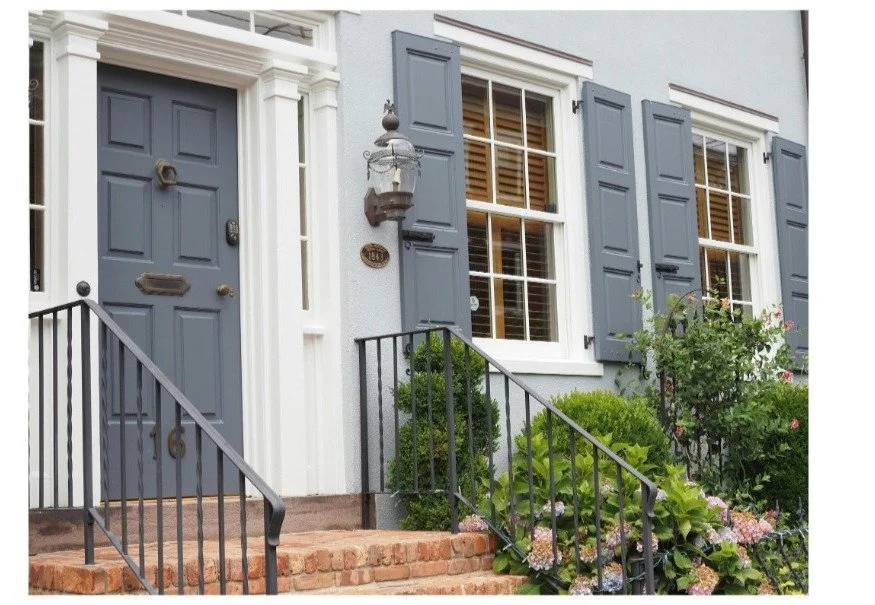
Improving a home exterior goes beyond fresh paint or new plants. Homeowners now look for ways to combine luxury with environmental care. Using natural materials allows for a high-end look that lasts for decades. These choices create a first impression that feels both timeless and responsible.

Stone is a top choice for those who want a lasting impact. It provides a level of texture and depth that synthetic materials cannot match. Adding these elements can make a property stand out in any neighborhood.

Image Source: https://www.pexels.com/photo/charming-colonial-home-in-lambertville-new-jersey-32756747/

The Rise of Eco-Friendly Curb Appeal

Modern design often focuses on how a home interacts with nature. Many people now choose materials that help the earth while looking beautiful. One popular trend involves using surfaces that let water soak into the ground. A recent article noted that environmental consciousness continues to influence design decisions, and driveways are no exception, with homeowners opting for sustainable materials like permeable pavers to reduce runoff.

This shift helps prevent local flooding and keeps the soil healthy. It also creates a softer, more natural appearance for the front of the house. These systems are perfect for those who value long-term health for their land. It shows a commitment to the neighborhood and the planet.

Planning a Grand Entrance

The path leading to the front door is a major focal point. It sets the tone for what guests can expect inside. Using Belgian blocks for driveways and edging creates a classic look that pairs well with many architectural styles. This material offers a rugged yet refined feel that survives heavy use.

Choosing the right stone involves looking at colors and shapes. Uniform blocks provide a clean and modern feel. Irregular stones offer a more rustic and historic charm. Both options provide a level of durability that concrete simply cannot provide over many years. Granite and basalt are often top picks for these high-traffic zones.

Defining Your Space with Stone

Clear borders make a yard look tidy and professionally managed. Stone curbing provides a strong line between grass and walking paths. It stops mulch from washing away and keeps grass from creeping into flower beds. This structure helps maintain the shape of your garden through every season.

Beyond just looking good, these features solve real problems for property owners. One expert source mentioned that natural stone manages slopes, prevents erosion, and defines outdoor spaces while adding a sense of permanence through features like stone curbing and garden borders. This added structure makes the entire yard feel more intentional.

Mixing Materials for Visual Interest

A great design uses a variety of textures to catch the eye. Pairing smooth stone with rougher edges creates a sophisticated balance. You can use large slabs for a walkway and smaller stones for the borders. This contrast adds layers to the visual experience of the home.

Using different shades of the same stone type can also add depth. Light grays look crisp against green grass, while darker stones hide tire marks and dirt. Mixing these elements ensures the design never feels flat or boring. It creates a custom look that feels unique to your specific property.

  • Select stones that match the home's siding.

  • Incorporate native plants around stone features.

  • Use lighting to highlight stone textures at night.

  • Keep joints tight to prevent weed growth.

Long-Term Value of Natural Hardscapes

Investing in stone is a smart financial move for most property owners. Unlike wood or asphalt, stone does not rot or crack easily. It handles extreme weather changes without losing its color or strength. This means less money spent on repairs and replacements over the life of the home.

Buyers often look for these high-quality finishes when searching for a new house. A well-designed stone entrance tells a buyer that the property has been cared for with the best materials. It creates a sense of luxury that is hard to ignore. It is a permanent upgrade that pays off in both enjoyment and resale price.

Sustainable Choices for Modern Living

Sustainability is more than a buzzword in today’s market. It is about choosing products that do not need to be replaced every few years. Natural stone is one of the most sustainable options because it is pulled directly from the earth. It requires very little processing compared to manufactured bricks or concrete.

Since stone is so heavy and durable, it stays in place for a lifetime. This reduces the need for new construction and the carbon footprint of future renovations. It is a choice that looks toward the future of the planet. Homeowners can feel good about using materials that have existed for millions of years.

Image Source: https://unsplash.com/photos/modern-white-house-with-illuminated-pathway-at-dusk-eLG6MsOeupk

Building a beautiful front takes time and thought. By focusing on stone and sustainable practices, you create a space that is both stunning and strong. These upgrades offer a sense of pride every time you pull into the driveway. Your home deserves a look that reflects your values and your style.

/
script>

The Standards and Tolerances That Set Quality Bespoke Door Manufacturing Apart

The difference between a door that looks good in a photograph and one that performs well over twenty years of daily use comes down to precision applied at every stage of manufacturing. Bespoke door manufacturing is sold primarily on aesthetics, which is understandable given that the visual result is what most clients focus on. But the standards and tolerances that govern how a door is made are what determine whether the aesthetic holds up, whether the door continues to operate correctly as the building moves and the seasons change, and whether the craftsmanship that justified the investment is still evident a decade after installation.

Most clients never think about manufacturing tolerances. The professionals who specify and procure bespoke doors do, or should.

Dimensional Tolerances and Why They Matter More Than You'd Expect

A door that is manufactured to nominal dimensions and a door that is manufactured to tight dimensional tolerances are not the same thing, and the difference becomes apparent at installation and over time.

Timber moves. It responds to changes in moisture content with dimensional changes that vary depending on the species, the cut of the timber, and how it was dried and processed. A door leaf manufactured to nominal dimensions without accounting for this movement will fight its frame as humidity cycles through the seasons. A door manufactured with appropriate tolerances, and with movement designed into the frame and hardware relationship, will continue to operate smoothly through those cycles.

In quality bespoke door manufacturing, dimensional tolerances for the door leaf are typically specified to within one millimetre on width and height, with diagonal measurement checks confirming that the leaf is genuinely square rather than nominally square. These checks matter because a leaf that is out of square by even a millimetre and a half across the diagonal will bind in a correctly made frame, and the binding tends to get worse rather than better as the building settles.

For glazed doors, the tolerances on the rebate that holds the glass are equally important. Glazing that is too tight in its rebate will crack as the door moves; glazing that is too loose will rattle and eventually allow moisture ingress at the perimeter seal. The relationship between glazing tolerance, seal selection, and rebate geometry is a specific area of technical knowledge that separates manufacturers who have spent years making glazed doors from those who have the general woodworking capability but haven't resolved these details in practice.

Surface Quality Standards

The surface quality of a finished bespoke door is where the visual distinction between quality manufacturing and adequate manufacturing is most immediately apparent, and it's also where the consequences of shortcuts are most durably visible.

For painted or lacquered surfaces, the substrate preparation before finishing determines how the finish looks and how long it lasts. A surface that has been properly sanded, with grain raised and knocked back, primed with an appropriate system, and sanded between coats produces a finish that holds its quality. A surface that has been finishing-sanded in one pass and finished over will show the grain raising and pore structure through the finish within the first few months of service, particularly on vertical surfaces exposed to temperature variation.

For natural timber surfaces, the consistency of sanding across a panel matters. Machine sanding produces consistent scratch patterns that accept stain and oil evenly; hand sanding introduces variation in scratch depth and direction that shows as colour variation after finishing. The best bespoke door manufacturing operations sequence their operations to take advantage of machine consistency where it applies and use hand work to address the details that machines can't reach rather than substituting hand work for machine work where the machine is more accurate.

Veneered surfaces introduce a specific quality standard around book matching, joint quality, and the flatness of the substrate beneath. A veneer joint that is not properly matched in grain direction will always be visible in raking light regardless of how good the adhesion is. The substrate flatness that allows veneer to bond without show-through telegraphing is a manufacturing standard that requires both the right substrate material and the right pressing equipment and process.

Hardware Preparation Standards

The relationship between a bespoke door and its hardware is where manufacturing precision and the specification process intersect most directly. Hinge mortises cut to the wrong depth or at the wrong angle produce a door that hangs proud of the frame or that has visible gaps on the hinge side. Both are immediately visible and both require the door to be rehung or re-mortised, which on a finished door is not a straightforward correction.

Quality bespoke door manufacturing applies hardware preparation tolerances that account for the specific hardware being specified. This means mortise depths matched to the exact hinge thickness, not a standard depth that approximates it. It means latch bolt hole geometry that matches the specific furniture being fitted, with the centreline accurately located from the finished edge. And it means that hardware preparation is done from confirmed, supplied hardware rather than from assumed dimensions, because variations between nominally identical pieces of hardware from different batches are common enough to cause problems if the preparation isn't done from the actual item.

The relationship between handle backplate dimensions and door stile width is another precision point that quality manufacturers attend to and that less careful operations treat as the installer's problem. A backplate that overruns the stile width looks wrong immediately and can't be fixed after the door is finished and hung.

The Quality Management Process Behind the Standards

The tolerances described above are only meaningful if there's a process for verifying them during and after manufacturing. A quality bespoke door manufacturing operation has defined inspection points in the production sequence, not just a final check before shipping.

Inspection at the component stage, before assembly, catches errors that would be difficult or impossible to correct in the finished door. Leaf dimensions checked before glazing and finishing. Timber moisture content verified before machining to confirm the material is stable enough for the tolerances being worked to. Hardware preparation checked against the actual hardware before the door is finished.

Final inspection before shipping includes a comprehensive dimensional check, hardware operation test, and visual assessment under appropriate lighting conditions. The lighting condition matters: defects in surface preparation and finishing that are invisible under overhead light are visible in raking light, and a final inspection done only under overhead lighting will miss surface quality issues that the client will notice immediately once the door is installed and exposed to natural light at oblique angles.

The documentation that accompanies quality bespoke door manufacturing, including manufacturing drawings, inspection records, and finish specifications, serves two purposes. It provides accountability during the project. And it provides reference information for maintenance, repair, and eventual replacement work that will happen at some point over the life of a quality door that's designed to last for decades.

/
script>

Smart Roof Replacement Planning to Improve Home Value and Long Term Protection

A roof plays a central role in protecting a home, but it also has a direct impact on long-term value and efficiency. Over time, materials wear down, performance declines, and the need for an upgrade becomes more apparent. Homeowners who plan ahead can turn this necessity into a strategic improvement rather than an unexpected expense.

Taking a thoughtful approach to roof replacement allows for better decision-making at every stage. Instead of reacting to damage, planning in advance creates opportunities to choose better materials, improve energy efficiency, and enhance overall durability. This shift in mindset leads to more controlled and cost-effective outcomes.

Understanding how to approach the process helps homeowners avoid common pitfalls. With the right preparation and support, replacing a roof becomes a valuable investment that supports both immediate needs and future stability.

Recognizing the Right Time to Plan a Replacement Project

Timing plays a critical role in any major home improvement decision. Waiting too long can lead to structural damage, while acting too early may not seem financially practical. Finding the right balance requires awareness of how roofing systems age.

Visible signs such as worn shingles, recurring leaks, or uneven surfaces often indicate declining performance. These issues may start small but usually signal deeper concerns within the structure. Addressing them early allows for better planning instead of emergency action.

Working with professionals like AG Exterior Solutions helps homeowners evaluate these signs accurately. Their experience provides clarity on whether repairs are still viable or if a full replacement is the better long-term solution.

How Material Selection Influences Long Term Performance

Choosing the right materials is one of the most important decisions in any roof replacement project. Different options offer varying levels of durability, weather resistance, and maintenance requirements. Understanding these differences helps homeowners make informed choices.

Modern materials are designed to handle environmental stress more effectively than older systems. They provide improved resistance to moisture, wind, and temperature changes. This results in a longer lifespan and fewer maintenance concerns over time.

AG Exterior Solutions often guides homeowners through these options to ensure the selected materials align with both performance needs and budget considerations. This step ensures that the investment delivers lasting value.

Improving Energy Efficiency Through Updated Roofing Systems

Energy efficiency is often overlooked when planning a roof replacement, but it plays a significant role in overall home performance. Older roofs may allow heat to escape during colder months or enter during warmer periods. This increases the workload on heating and cooling systems.

A new roofing system improves insulation and ventilation, creating a more stable indoor environment. This reduces energy consumption and can lead to noticeable savings on utility bills. Over time, these savings contribute to offsetting the cost of the project.

Better efficiency also enhances comfort throughout the home. Consistent temperatures make living spaces more enjoyable and reduce strain on household systems.

Planning the Budget Without Unexpected Costs

Financial planning is essential when preparing for a roof replacement project. Costs can vary depending on materials, labor, and the complexity of the installation. Without a clear plan, expenses can quickly exceed expectations.

Breaking down the project into specific components helps create a more accurate budget. This includes materials, removal of the existing roof, installation, and any necessary structural adjustments. Understanding these elements prevents surprises during the process.

AG Exterior Solutions provides transparent estimates that help homeowners plan with confidence. Clear communication about costs ensures that expectations remain aligned from start to finish.

Enhancing Property Value Through Strategic Upgrades

A new roof contributes significantly to a home’s overall value. It improves both functionality and visual appeal, making the property more attractive to potential buyers. Even for those not planning to sell, this added value provides long-term benefits.

Buyers often view a recent roof replacement as a major advantage. It reduces concerns about future repairs and signals that the home has been well maintained. This can influence both interest and final sale price.

In addition to financial value, a new roof enhances curb appeal. Clean lines and updated materials create a more polished and modern appearance.

Coordinating the Replacement Process for Minimal Disruption

Replacing a roof is a significant project that requires coordination and planning. Without proper organization, it can disrupt daily routines and create unnecessary stress. Preparing in advance helps minimize these challenges.

Scheduling the project during favorable weather conditions reduces the risk of delays. Clear communication with contractors ensures that timelines are understood and followed. This keeps the process efficient and predictable.

A structured roof replacement plan allows homeowners to manage the project with less disruption. Knowing what to expect at each stage makes the experience more manageable.

Avoiding Common Mistakes During Major Roofing Projects

Mistakes during a roof replacement can lead to long-term issues that are difficult to correct. One common error is choosing materials based solely on cost rather than performance. While budget is important, quality should not be compromised.

Another mistake is overlooking ventilation and insulation requirements. These elements play a key role in how the roof performs over time. Ignoring them can lead to moisture problems and reduced efficiency.

Working with experienced providers like AG Exterior Solutions helps prevent these issues. Their structured approach ensures that all aspects of the project are handled correctly.

Long Term Maintenance After Installation Is Complete

A new roof does not eliminate the need for maintenance. Regular inspections and basic upkeep help preserve its condition and extend its lifespan. Simple actions can prevent small issues from developing into larger problems.

Cleaning gutters, checking for debris, and monitoring for early signs of wear are all part of responsible ownership. These steps ensure that the roof continues to perform as expected over time.

A properly maintained roof replacement provides consistent protection and reduces the likelihood of unexpected repairs. This ongoing care supports long-term reliability.

Building Confidence Through Smart Roofing Decisions

Making informed decisions about roofing projects creates a sense of confidence for homeowners. Understanding each stage of the process reduces uncertainty and allows for better planning. This leads to smoother experiences and more successful outcomes.

Every aspect of the project, from material selection to budgeting, contributes to the final result. Taking the time to evaluate options ensures that choices are aligned with long-term goals.

With guidance from AG Exterior Solutions, homeowners can approach roof replacement with clarity and assurance. Their expertise helps turn a complex project into a manageable and rewarding investment.

Long Term Benefits of a Well Planned Roofing Upgrade

A well-executed roof replacement offers benefits that extend far beyond immediate improvements. It enhances durability, reduces maintenance needs, and improves overall home performance. These advantages continue to add value over time.

Reliable protection against environmental conditions ensures that the home remains safe and comfortable. This stability supports both daily living and long-term property preservation.

Investing in proper planning and professional support leads to better results. A thoughtful approach ensures that the new roofing system delivers lasting performance and peace of mind.

/
script>