Why Tokyo Keeps Calling Travelers Back for Longer Stays

There's something about Tokyo that turns a quick visit into a deeper obsession. The neon glow of Shinjuku, the quiet temples tucked between glass towers, the convenience store sandwiches that somehow taste better than they should. People who go for a week often start plotting a return trip before they even land back home.

And increasingly, those return trips are getting longer.

Key Takeaways

  • Tokyo rewards extended stays with a cultural depth that short trips simply can't deliver.

  • Neighborhoods vary dramatically in vibe, so picking the right base matters more than picking the right hotel.

  • Renting an apartment is often more affordable and comfortable than hotels for stays over two weeks.

  • Public transportation makes the entire city remarkably accessible without a car.

  • Daily life, from groceries to dining out, is surprisingly budget-friendly once you settle in.

The Shift From Tourist to Temporary Local

A week in Tokyo is enough to see the highlights. Three weeks is enough to start having a "regular" coffee shop. After a month, you'll find yourself giving directions to other tourists with surprising confidence.

That gradual transition from visitor to temporary local is what makes longer stays so addictive. You stop chasing landmarks and start noticing rhythms.

Short trips capture moments. Longer ones capture life.

Choosing the Right Neighborhood

Tokyo isn't one city. It's a stitched-together collection of distinct neighborhoods, each with its own personality, and where you stay shapes your entire experience.

Shimokitazawa draws the indie crowd with its vintage shops, tiny theaters, and live music venues. Nakameguro is leafy and stylish, especially during cherry blossom season. Kichijoji blends college-town energy with parks and great bookstores.

For first-timers, central areas like Shibuya or Shinjuku make sense. For returning visitors, branching out to spots like Yanaka or Koenji often feels more rewarding.

The Apartment Rental Advantage

For anyone planning to stay longer than ten days, the math on hotels starts looking rough. Tokyo hotel rooms are famously compact, and the per-night cost adds up fast in popular districts.

That's why a growing number of travelers choose to rent apartments in Tokyo instead of booking a string of hotel nights. A short-term rental gives you a kitchen, laundry, more square footage, and often a quieter residential setting that hotels can't match.

The savings are real, but the comfort is the bigger draw. Cooking a quick breakfast, doing laundry without dropping it off, and having actual living space changes the rhythm of your days entirely.

Getting Around Without a Car

Tokyo's train and subway system is one of the world's best, and it's a major reason extended stays feel manageable. Almost every neighborhood sits within a short walk of a station, and trains run with a precision that borders on art.

A rechargeable Suica or Pasmo card handles most of your transit. Recent updates let you add either straight to your phone wallet, so there's no fumbling with paper tickets at the gate.

For longer rides, the Shinkansen makes weekend trips to Kyoto, Osaka, or Hakone feel almost casual. You can leave Tokyo after breakfast and be eating ramen in a different city by lunch.

Eating Well on Any Budget

Tokyo earns its reputation as a food city, but what surprises most first-time visitors is how affordable daily eating can be. A bowl of ramen at a beloved local shop runs around 1,000 yen, and a convenience store onigiri makes a perfectly respectable lunch.

Mid-range restaurants offer some of the best value anywhere. Set lunch menus at sushi counters, soba shops, and tonkatsu specialists deliver world-class meals without the world-class price tag.

If you're cooking at home, neighborhood markets and supermarket chains keep grocery costs reasonable. The produce section alone is worth a slow walk.

The Underrated Pleasure of Doing Nothing

Visitors often pack their days with destinations. Long-stay travelers learn the joy of empty afternoons.

Sitting in a kissaten with a book. Walking the Meguro River with no particular goal. Hanging around a sento and chatting with the regulars who barely look up. These are the moments that turn a trip into a memory you'll talk about for years.

If you're hunting for more travel ideas before booking your next adventure, longer-stay destinations like Tokyo deserve a real spot on the list. The city rewards slow attention in ways that quick visits simply can't.

Practical Things Worth Knowing

A few small details make a big difference for extended stays. Cash still matters here, even though card acceptance has improved a lot. Many small restaurants and local shops still prefer it.

Trash sorting is taken seriously, and your neighborhood will likely have specific pickup days for different categories. A quick read of any rental's house rules saves headaches later.

Pocket Wi-Fi or a local SIM is non-negotiable for navigation, translation, and finding that ramen shop everyone keeps recommending on Reddit.

Final Thoughts

Tokyo isn't a city you can fully grasp in a week. The longer you stay, the deeper it gets, and the more it starts to feel like somewhere you could see yourself returning to year after year.

Whether your stay runs two weeks or two months, treating the trip like a temporary chapter of your life rather than a checklist makes all the difference. Find a neighborhood that fits your pace, settle into a comfortable space, and let the city reveal itself.

The plane home will come soon enough.

FAQ

How long should I stay in Tokyo for a first extended visit? Two to four weeks is a sweet spot. It's long enough to settle into a routine, explore beyond the main neighborhoods, and take a side trip or two without feeling rushed.

Is it cheaper to rent an apartment than stay in a hotel? For stays over ten to fourteen days, apartment rentals usually come out ahead, especially when you factor in kitchen access and laundry. Hotels still make sense for very short trips.

Do I need to speak Japanese? No, but a few key phrases go a long way. English signage is widespread in central Tokyo, and translation apps handle most situations. Learning to read basic katakana helps with menus.

What's the best season to visit? Spring (late March to early April) and autumn (October to November) are widely considered the best. Summers are humid, winters are mild but dry.

Is Tokyo expensive? Less than its reputation suggests. Accommodation and entertainment can add up, but daily costs like food and transit are very reasonable compared to other major global cities.


/
script>

Essential Softwares Everyone Needs to Know

People use software throughout the day because it has become essential to modern life. They use it for their educational needs at school, their professional duties at work, and their domestic activities at home. Software enables us to accomplish our work obligations more efficiently and with simpler methods. 

This article will present essential softwares that everyone needs to know:

1. Word Processing Software

The primary function of word processing software is to enable users to create and modify written documents. This program enables users to create letters, schoolwork, and reports. The user can modify font styles, insert images, and correct spelling errors. Students and office workers find this software extremely beneficial. The program produces documents that appear neat and professional.

2. Specialized Business Software

Some software is designed for specific industries. The software provides businesses with tools to handle their specific operational needs. The best grant management software for government enables users to monitor their funding and control their grants while ensuring proper use of funds. This software assists organizations in maintaining their organizational structure while ensuring regulatory compliance.

3. Spreadsheet Software

Spreadsheet software enables users to perform numerical analysis and data manipulation tasks. Users can create budgets, monitor their financial activities, and develop visual data representations through this system. The system provides essential capabilities that enable users to handle their funds. 

And maintaining accurate financial documentation. Businesses use spreadsheets because they offer a straightforward way to organize their data. The software teaches you skills that apply to both your academic studies and your professional duties.

4. Project Management Software

Project management software helps people plan and complete tasks on time. This software provides valuable support to teams that handle large-scale work. The software solutions for construction projects enable workers to manage building tasks and monitor their progress, ensuring work is completed within established timeframes. This solution simplifies tasks while creating a more organized work environment.

5. Time Tracking Software

While project management software helps teams organize tasks, schedules, and deadlines, time tracking tools provide deeper insight into how resources are being used. A solid time tracking platform can help contractors monitor labor hours, track time spent on different project activities, manage budgets, and identify opportunities to improve efficiency. Combining scheduling tools with accurate time data allows teams to make better decisions and keep projects running smoothly.

6. Presentation Software

Presentation software enables users to create slideshows. Users create slides that contain written content, visual material, and video recordings. The tool serves as an excellent resource for conducting research in educational institutions and for conducting meetings in business environments. 

This software enables you to present your ideas in a manner that maintains audience interest. Effective presentations improve your ability to convey information while creating a powerful impact on your audience.

7. Communication Software

People use communication software to maintain contact with others. The system provides multiple applications that enable users to send messages, make video calls, and send emails. These tools serve essential functions for users in their personal and professional lives. 

Communication software enables people to communicate with each other, share files, and collaborate from distant locations. Effective communication improves teamwork by strengthening connections among team members.

Conclusion

Software is an essential tool that streamlines our daily tasks and increases our productivity. Software enables users to accomplish various tasks, which include writing documents and handling large-scale projects. The right tools enable you to develop your skills and finish your work more efficiently. Users should begin their software experience with basic programs before moving on to advanced features. Your understanding of current knowledge will enable you to succeed in today's digital environment.

/
script>

Maximize Your Exit: How a New Roof Increases Property Value

Selling a property often feels like a race against time and market trends. You want to walk away with the highest possible profit while making the building look great for potential buyers.

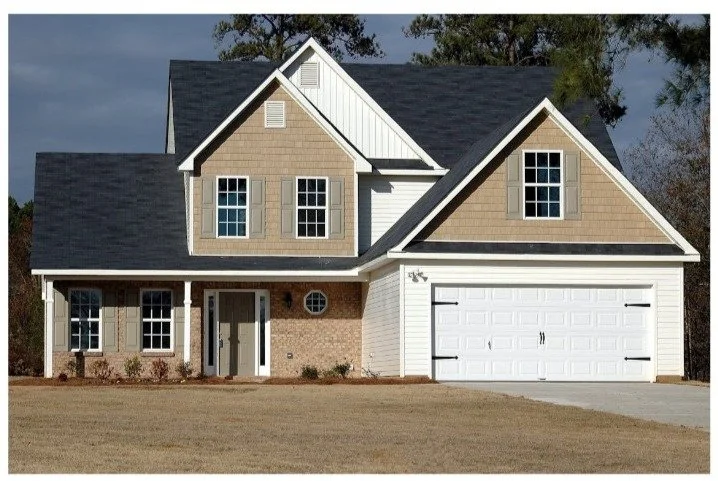
One of the most overlooked factors in this process is the state of the roof. A fresh installation does more than just stop leaks - it serves as a massive signal of quality to anyone looking to invest.

Curb Appeal And Buyer First Impressions

First impressions happen the moment a buyer pulls up to the curb. If the roof looks aged or damaged, it immediately raises doubts about the rest of the property. A clean and sturdy roofline suggests that the owner took pride in maintenance over the years.

When the exterior looks polished, buyers are less likely to hunt for small flaws during the walk-through. They see a finished product rather than a project that requires immediate capital. This mental shift makes them more comfortable with a higher asking price.

Reliability is a major selling point in any real estate market. People want to know that their new purchase will not involve a massive repair bill within the first year. A visible commitment to quality roofing provides that necessary peace of mind for every visitor.

Understanding The Return On Investment

Investing in a roof replacement is not just about aesthetics. It is a strategic move designed to recoup as much cash as possible at the closing table. Many sellers find that the cost of the project is often offset by the increased final sale price.

A study by a leading real estate platform mentioned that an asphalt shingle roof adds over $15,000 to the resale value on average. These sellers often find they can ask for up to 3% more for their property compared to homes with older roofs.

This financial bump helps cover the initial layout of the construction work. It transforms a necessary expense into a profit-generating asset. By addressing the issue before listing, you avoid the heavy price negotiations that usually follow a poor inspection report.

Benefits for Long-Term Maintenance

Maintenance schedules are much easier to manage when you start with a brand-new surface. You no longer have to worry about emergency repairs or patching small leaks after every heavy storm. This reliability allows you to focus your budget on other areas of the property.

Choosing a contractor is a big step for any property manager. Many owners decide to look into professional industrial roofing services to handle these large-scale projects. These experts ensure the structural integrity of the building stays intact for decades.

Selecting the right team means you can provide warranties that are transferable to the next owner. This added value makes the deal much more attractive to potential buyers. 

Commercial Considerations For Property Owners

Commercial buildings face different pressures than residential homes when it comes to structural integrity. Large-scale properties require specialized attention to keep the building envelope secure. Investors look closely at the age of the systems before they sign any contracts.

Industry reports indicate that the commercial roofing market is expected to grow significantly, reaching over $22 billion by 2034. This growth highlights the emphasis modern businesses place on high-quality upgrades to their facilities.

Upgrading now positions your building as a premium option in a competitive market. New systems reduce the risk of inventory damage and provide better stability for tenants. 

Realtor Recommendations And Market Readiness

Real estate agents have a unique perspective on what closes a deal. They see firsthand how buyers react to different upgrades and which features drive the most interest. 

Recent data from a realtor's report showed that 37% of professionals suggest a new roof before listing. This project ranked in the top three for homeowner satisfaction scores - making it a favorite for many sellers.

  • Improved energy efficiency

  • Better curb appeal

  • Fewer inspection issues

Listing a property that is move-in ready simplifies the entire transaction. Buyers are more likely to submit competitive offers when they know the major systems are brand new. It removes the friction that often stalls deals during the due diligence phase.

Energy Efficiency And Operational Costs

Modern roofing materials are designed with efficiency in mind. Older systems often allow heat to escape during the winter or trap it during the summer. 

Reflective coatings and better insulation layers make a massive difference in monthly overhead. When you can show a buyer lower operating costs, the property becomes more valuable. It is a selling point that pays for itself through lower expenses and higher interest.

Sustainability is no longer just a trend - it is a requirement for many modern buyers. They look for properties that align with their goals for reducing environmental impact. A high-efficiency roof meets this demand as it protects the structure from the elements.

Getting the most out of your property sale requires focusing on the right details. A new roof is a clear signal of value that buyers appreciate from the moment they arrive. It protects your investment and helps create a smoother transition for everyone involved.

Taking the time to upgrade before you list can lead to a much faster and more profitable exit. You gain the advantage in negotiations and walk away with more cash. It is a smart move for any owner looking to maximize their return.

/
script>

Why Real Estate Professionals Are Quietly Spending More on Tournament Golf — and What It Says About How Relationships Get Built

The standard real estate marketing budget — postcards, paid social, sponsored newsletters — is doing less of the heavy lifting than it used to. Open-rate declines, ad fatigue, and saturated digital channels have pushed top-producing agents and brokerage leaders back toward something that, on paper, looks anachronistic: a four-hour walk on a manicured course, sandwiches at the turn, and a small branded tote sitting in the back of every client's car a week later.

Tournament golf is having a quiet resurgence inside relationship-driven sales industries, and real estate is leading the trend. The math is simple. The National Golf Foundation pegged total U.S. on-course participation at 26.6 million in 2023, the highest figure in more than a decade, with a measurable bump among off-course players entering full-course play. For an industry where a single closed transaction can justify a year of relationship investment, the four hours of uninterrupted face time a tournament structure provides is hard to replicate elsewhere.

Why Course Events Outperform the Average Client Lunch

Brokers who run regular client tournaments tend to talk about the format the same way: it's the only event most of their referral partners say yes to without negotiation. A morning shotgun start, a lunch reception, and a post-round awards moment compress what would normally take three or four separate touchpoints into a single afternoon. For agents working high-end residential or commercial portfolios, that compression matters — referral sources are typically other professionals (attorneys, financial advisors, lenders, contractors) whose calendars don't accommodate a long sequence of one-off coffee meetings.

The format also produces a kind of relational symmetry that ordinary client entertainment doesn't. A client lunch puts the agent in host mode, paying the check, controlling the conversation. A round of golf reverses that dynamic for stretches at a time. Clients miss putts, hit into the woods, complain about the wind, and laugh about it. That shift — from transactional host to shared participant — is the part agents say sticks with referral sources long after the day ends.

Smaller and mid-sized brokerages have figured out that they don't need a charity-tournament budget to access this dynamic. Where the typical large-firm event used to require a sponsorship-driven model and a six-figure budget, the new norm is a tighter format: a 36-to-72-player field at a daily-fee or municipal course, branded merchandise sourced through specialty vendors, and a focus on the post-round reception rather than the prize purse. Vendors such as Custom Made Golf Events have built their model around exactly this kind of right-sized event — supplying custom golf tournament merchandise, logoed golf balls, branded poker-chip ball markers, and tournament tee packs at minimums small enough that a 50-player client outing can include polished, brand-aligned giveaways without inventory risk. The company offers free virtual proofs within 24 hours and free setup on every order, which has lowered the planning floor for boutique firms running their first or second tournament.

What Real Estate Tournament Planners Get Right

The brokers running the most-talked-about events tend to share a few habits worth flagging. First, they treat the tournament as an annual fixture rather than a one-off campaign. Repeated, predictable invitations build into the social calendar of referral partners — an under-discussed mechanism that quietly raises the firm's salience without an explicit ask. Second, they invest disproportionately in the pre- and post-round experience. The actual golf is a delivery vehicle. The check-in tent, the small merchandise bag waiting on each cart, the photographer at the awards reception — those are the moments that show up later on LinkedIn, Instagram, and in the casual recall of attendees.

Third, they spend on merchandise that has post-event utility. A branded sleeve of premium golf balls a player will use over the next three months provides more visual reinforcement than a logoed ceramic mug that ends up in a desk drawer. The same logic applies to towels, hats, and divot tools — things that travel back to a client's regular foursome and quietly extend the firm's brand reach into rooms the agent will never enter.

The Demographic Shift Underneath It All

What's powering all of this is a generational change in who is playing. The Millennial-to-Gen-X bracket — the demographic core of buyers and sellers in most U.S. metros — has driven the recent surge in golf participation. Off-course formats like Topgolf and indoor simulator bays have been a feeder system, pulling in a younger, more diverse player base that then graduates into traditional course play. The relevant takeaway for real estate professionals: the people sitting across the table at closings are increasingly people who play, watch, or at least follow the sport. A tournament invite isn't a niche gesture aimed at older male clients anymore; it's a broadly accessible touchpoint that resonates across most of an active agent's pipeline.

This is also showing up on the corporate side. Commercial real estate firms — particularly those handling industrial, hospitality, and mixed-use projects — have leaned into branded tournaments as a venue for cross-functional dealmaking that the normal conference circuit can't replicate. Capital partners, municipal stakeholders, and design teams all show up for the same round, and the resulting conversations frequently jumpstart projects that have been languishing in scheduling purgatory.

Where the Format Tends to Break

None of this works automatically. The most common failure mode in real estate tournament planning is treating the event as a marketing campaign rather than a hospitality program. Heavy branding, hard-sell pitch decks at lunch, and a long agenda of speeches kill the format's underlying advantage — the unstructured, low-stakes time on the course. The events that build long-term equity feel less like client appreciation and more like a recurring social fixture the host happens to organize.

The other failure mode is operational: planners who pull merchandise from a generic promotional supplier with eight-week lead times end up locked into design choices made months earlier, often with low-quality results that undermine the rest of the experience. The shift toward specialty vendors with shorter production windows and a free virtual proof workflow has been a meaningful improvement here. It's the difference between sending a sleeve of golf balls a client pulls out twice and forgets, and sending one they actually play with.

The Bigger Pattern

The renewed interest in tournament golf inside real estate isn't really about golf. It's about an industry rediscovering that the channels that built it — face-to-face time, mutual obligation, the small social rituals of professional networks — still outperform the digital substitutes when the underlying transaction is a six- or seven-figure relationship decision. The agents and brokerage leaders allocating budget to a polished annual event are betting that those channels remain underpriced, and the early evidence — measurable upticks in repeat business, referral velocity, and brand recall in client surveys — suggests they're right.

The real estate industry has always been a long-term game played in a short-term market. The return of the client tournament is, in a way, just professionals reaching for a tool that fits the actual time horizon of how their business works.

/
script>