How to Curate the Ultimate Men's Wellness Sanctuary at Home

The concept of the modern living space has undergone a massive transformation in recent years. For today's professional man, an apartment is no longer just a place to sleep, eat, and store belongings. The dramatic shift toward remote and hybrid work environments has blurred the previously strict boundaries between our professional obligations and personal lives. As highlighted in a recent look at the wellness shifts defining 2026, the home must evolve into a functional personal headquarters for recharging, unwinding, and escaping the relentless demands of a fast-paced world. Creating a wellness sanctuary at home is about intentionally designing your physical environment to support both your physiological and mental health, ensuring you have a dedicated space to detach from outside stressors.

Building a restorative space starts with setting the right atmosphere, which naturally begins with the visual layout of your living quarters. The way you arrange your bedroom and bathroom plays a profound role in how your nervous system responds to the surrounding environment. Start by minimizing physical clutter, as clean surfaces naturally reduce visual noise and promote a calmer, more focused mindset. Modern self-care is moving away from punishing fitness regimens and extreme workouts in favor of intentional, comforting recovery rituals. Instead of treating relaxation as a mere afterthought, prioritizing a dedicated sanctuary allows you to invest in holistic routines that genuinely improve your quality of life. For example, focusing on intimate wellness by integrating a high-quality male masturbator into your evening regimen provides a modern, hygienic way to enhance physical relaxation and release muscular tension before bed. This level of curated care proves that taking care of your physical needs can be both highly sophisticated and completely private.

Prioritizing Mental Health and Daily Self-Care

Once the physical environment is established and optimized for relaxation, the next critical step is dedicating specific areas strictly to your mental well-being. True luxury living in the modern era means having the necessary time and space to completely decompress without interruptions. Dedicating a quiet corner of your home to simple self-care routines can have a deeply measurable impact on your overall health. According to the National Institute of Mental Health, engaging in consistent self-care and relaxation activities is proven to help manage daily stress, lower the long-term risk of physical illness, and significantly increase daily energy levels. By carving out a tranquil space completely free from the distractions of smartphones, tablets, and laptops, you are actively investing in your long-term psychological resilience. Whether you use this technology-free zone for evening meditation, reading a physical book, or simply enjoying a quiet cup of coffee in the morning, the ultimate goal is to create a firm physical boundary between your active work life and your restorative personal time.

Upgrading Your Bedside and Bathroom Essentials

A true wellness sanctuary also requires the right tools to maximize comfort. Upgrading your daily routine means thoughtfully stocking your bathroom and bedside tables with premium essentials that elevate your overall quality of life. High-end skincare products, plush towels, and durable grooming tools are excellent starting points, but modern self-care extends far beyond surface-level aesthetics. When your eyes are not constantly scanning messy countertops, your brain can finally power down for the night. Lighting is equally crucial in this transitional process. Swapping out harsh, clinical overhead bulbs for warm, dimmable lamps helps signal to your internal circadian rhythm that it is time to wind down for the evening, preparing your body for a restful and uninterrupted night of sleep.

Essential Elements for a Restorative Space

Curating your personal sanctuary does not require a complete home renovation or a massive financial investment. You can dramatically improve the restorative quality of your apartment by focusing on a few strategic, high-impact upgrades that directly influence how you feel.

Consider incorporating the following essential elements into your daily living space to maximize your recovery:

  • High-quality sleep hygiene tools: Invest in heavy blackout curtains, a supportive mattress, and temperature-regulating bedding. High-quality sleep is the ultimate foundation of health, ensuring your body and brain can properly recover and repair overnight.

  • Ambient sensory additions: Utilize essential oil diffusers or scented candles with calming, earthy notes like cedar, vetiver, or sandalwood to create a relaxing olfactory environment that triggers immediate psychological relaxation upon entering the room.

  • Analog entertainment zones: Keep a dedicated seating area specifically for books, architectural magazines, or a high-fidelity record player. This designated area encourages much-needed time away from artificial blue light and digital screens before you go to sleep.

  • Premium personal care items: Stock your bathroom cabinets and bedroom storage with high-end grooming supplies, deeply moisturizing body washes, and modern wellness devices that turn routine hygiene into a private, spa-like experience.

Transforming your home into a personalized wellness sanctuary is arguably one of the most rewarding lifestyle upgrades you can make. By prioritizing absolute comfort, baseline mental health, and high-quality self-care essentials, you successfully create an environment that actively supports your holistic well-being on a daily basis. When your living space becomes a true, uncompromised retreat, you are vastly better equipped to step out the front door each morning and handle whatever challenges the world throws your way.

/
script>

Why More Australians Are Trading the Suburbs for a Hobby Farm Lifestyle

Something has shifted in the way Australians think about where they want to live. The appeal of a large suburban block with a neat lawn and a double garage is starting to lose ground against a different kind of aspiration: a few acres, a vegetable garden, some animals, and enough space to actually breathe.

Hobby farms have moved from a niche lifestyle choice to one of the most talked-about property categories in the country. And the people making the move aren't retiring farmers returning to their roots. They're professionals in their thirties and forties, remote workers, young families, and couples who have decided that the trade-off between space and convenience is worth making.

What Counts as a Hobby Farm

The term gets used loosely, which can cause confusion when it comes to buying and financing one. A hobby farm is generally understood as a small rural or semi-rural property that is used for lifestyle purposes rather than as a primary commercial agricultural operation.

That might mean five acres with a vegetable patch and some chickens, or it might mean twenty acres with a small orchard, a few sheep, and a large dam. The common thread is that the land is worked and enjoyed but not relied upon as a primary source of income. The owners have jobs or other income streams, and the property supports a lifestyle rather than a business.

This distinction matters significantly when it comes to how the property is financed, insured, and assessed by lenders. Hobby farms exist in a grey zone between standard residential property and commercial agricultural land, and that classification affects almost every financial decision connected to the purchase.

The Lifestyle Case for Making the Move

The appeal is easy to understand once you've spent any time on a well-run hobby farm. There's a quality of life that comes with growing your own food, managing your own land, and having your children grow up with animals and outdoor space that urban and suburban living simply can't replicate.

For remote and hybrid workers, the tyranny of the commute is no longer the barrier it once was. If you're working from home three or four days a week, the difference between a forty-minute drive to the city and a ninety-minute one becomes far more manageable. That calculus has opened up a much wider radius of viable property options for a lot of buyers.

There's also a growing interest in food sovereignty and self-sufficiency that's driving people toward productive land. The satisfaction of eating vegetables you've grown, eggs from chickens you keep, or meat from animals you've raised is something a large portion of new hobby farm buyers cite as a core motivation. It's not just a property decision. It's a values decision.

Mental health considerations are part of the conversation too. Time spent working outdoors, a slower pace of daily life, and a stronger sense of community in rural areas are factors that resonate with buyers who have spent years grinding through demanding urban careers.

What to Look for in a Hobby Farm Property

Buying a hobby farm requires a different kind of due diligence from a standard residential purchase. Beyond the usual checks on the dwelling itself, there are land-specific considerations that can significantly affect whether a property delivers on its lifestyle promise.

Water is the most critical factor. A reliable water source, whether it's a bore, a spring, or a large dam with a good catchment, determines what you can actually do with the land. Properties that rely entirely on rainwater tanks can be limiting depending on your rainfall zone and your ambitions for the property. Always get a water assessment done before you commit.

Soil quality matters for anyone planning to grow food or support grazing animals. Not all rural land is productive land. Cleared paddocks that have been overgrazed or left unmanaged can take years to rehabilitate, and the cost of fencing, revegetation, and soil improvement should factor into your overall budget.

Access and infrastructure deserve careful attention. Is the driveway manageable in wet weather? Is there three-phase power if you want to run a workshop or irrigation pump? Are the sheds in reasonable condition, or will they need to be replaced soon? These are the details that buyers sometimes overlook in the excitement of a beautiful property.

Local zoning is also worth investigating thoroughly. Land use rules vary significantly between councils and can affect what you're allowed to build, whether you can run a small home-based business from the property, and what kind of animals and numbers are permitted on the land.

The Finance Question: Where Many Buyers Hit a Wall

This is where a lot of hobby farm dreams stall. Buyers who have successfully borrowed money for residential properties in the past sometimes assume the process will work the same way for a rural purchase. It doesn't.

Standard home loan products are designed for properties assessed as standard residential dwellings. Once a property sits on more than a certain amount of land, falls into a rural or rural residential zoning category, or includes productive infrastructure like sheds, irrigation systems, or grazing paddocks, many mainstream lenders either exclude it from their standard products or apply significantly more restrictive conditions.

A buyer who approaches the wrong lender with a hobby farm application can find themselves declined not because of their financial position, but because the property doesn't fit the lender's risk appetite or product criteria. That decline then sits on their credit file and complicates subsequent applications.

The solution is to work with a specialist broker who understands rural and semi-rural lending from the ground up. These brokers have access to lenders who specifically cater to hobby farm buyers, understand how to present a rural property application effectively, and can match your specific property type and financial situation to the right product.

For buyers at the early stage of exploring their finance options, taking the time to find hobby farm loan options through a specialist broker gives you a realistic picture of what's available, what the likely conditions are, and how to structure your purchase in the most financially sensible way.

One important thing to understand upfront is that hobby farm loans often come with different loan-to-value ratios than standard residential loans. A lender may offer 70% or 80% of the property's assessed value rather than the 90% or 95% available on a standard home loan. This means having more cash available or equity from another property to bridge the gap. Knowing this before you start looking at properties helps you set a realistic budget from the beginning.

Making the Transition: Practical Steps Worth Taking Early

The buyers who make the transition to hobby farm life most successfully are the ones who treat it as a serious project rather than a spontaneous leap. A few months of solid preparation before you start actively searching makes the whole process considerably smoother.

Start by getting clear on your lifestyle vision and working backwards from it. What do you actually want to do with the land? What animals, if any, do you want to keep? Do you want to grow vegetables commercially on any scale, or purely for the household? How far are you willing to drive to a major town for shopping, medical care, and schooling? Answering these questions honestly shapes the kind of property you should be looking for and where.

Get your finance pre-assessed early. Understanding your borrowing capacity for a hobby farm, not just a standard residential property, before you fall in love with something is essential. The last thing you want is to make an offer, pay for inspections and a valuation, and then discover the finance doesn't stack up.

Visit any property you're seriously considering at different times of day and ideally in different weather conditions. Rural properties can look spectacular on a sunny weekend morning and reveal their challenges in the middle of a wet winter. Talking to neighbours and locals about the area, the access, and the general character of the community is also time well spent.

For more on rural lifestyle property trends and what buyers are prioritising in today's market, there's a growing body of insight worth exploring before you make your move.

Final Thoughts

The hobby farm lifestyle is genuinely rewarding for the people it suits, but it requires going in with clear eyes about the practicalities. The land, the finance, the due diligence, and the lifestyle adjustment all deserve proper attention before you commit.

The buyers who thrive on hobby farms are the ones who did the groundwork, asked the right questions, and went in with realistic expectations. If you're drawn to the idea of productive land, open space, and a slower pace of life, the path is there. It just rewards the prepared.

/
script>

Land Title Search Before Construction: Why It Matters

Starting a construction project, whether residential or commercial, is a big decision that requires significant investment. Although planning, budgeting, and design take precedence during this period, an equally important task is often neglected: conducting a land title search.

To avoid any legal issues, you need to make sure that the land on which you plan to build is legally sound and free of any conflicts. Doing so ensures that your construction project goes smoothly, with no hindrances along the way.

What Is a Land Title Search?

A land title search refers to the process of examining a property’s title deeds to determine if there are any outstanding claims against the property. The land title search also highlights any existing liabilities or restrictions concerning the property.

In Australia, land ownership operates under the Torrens Title System. This system allows for accurate record-keeping of land ownership rights and other details related to land property transactions.

Why a Title Search Is Crucial Before Construction

Despite this, it is still recommended to conduct a title search before beginning construction on the land. Here’s why:

1. Guarantees Legal Possession

It is crucial for title searches to be able to guarantee that the seller or developer possesses the land, having the legal grounds to sell it to you. If the seller does not have the right to the possession of the plot, it may lead to serious consequences later.

2. Shows Financial Claims on Land

In addition, it may contain mortgages or other claims that were placed on the piece of land. These may cause problems in future since they need to be paid off.

3. Shows Easements on the Plot

This is another important piece of information you will get from the title search. Easements mean that some parties have the right to use the land. This is extremely important when you plan to build something on it. For instance, there may be such things as drainage or utilities easements that affect your building.

4. Shows Land Use Regulations

A title search is usually combined with zoning. Land uses should be clearly stated, and if you build something against them, you may face many unpleasant consequences. Construction without consideration of these limitations may lead to punishments, modifications, or even demolition of unauthorised constructions.

5. Eliminates Boundary Disputes

One of the main reasons for construction delays is boundary problems. The combination of a title search and survey helps identify property boundaries correctly.

6. Reveals Caveats and Legal Claims

The caveat refers to the fact that another person claims his/her right to the piece of land. It may be related to money, inheritance, or contract issues. You should resolve all these matters before the beginning of the construction process.

Consequences of Ignoring Title Search

If you ignore the land title search when constructing on the land, the following negative consequences may appear:

  • Construction delays caused by legal disputes

  • Financial loss because of the non-resolution of debts and/or claims

  • Unable to get construction permissions

  • Demolition or reconstruction in case of zone violation

  • Future inability to sell the land and finance construction works

  • Thus, you can convert your potentially profitable project into a failure.

Steps to Perform a Title Search

When preparing for land construction, do the following steps:

  • Get the title: Get the land title from the land registry department.

  • Verify ownership status: Ensure the name on the title is that of the actual seller or transferor of the property.

  • Check for encumbrances: Mortgages, liens, easements, and other restrictions may have a bearing on the use of land.

  • Get survey plans: Survey plans reveal the land’s boundaries, measurements, and topography.

  • Perform zoning verification: Contact the concerned government departments to confirm land-use zoning compliance and construction requirements.

  • Examine the documents: Check for permits and/or any restrictions from local authorities that might affect the construction work.

  • Employ a property attorney or conveyancer: They will guide you through any complicated legal issues related to the land that might arise.

Documents That Must Be Checked Before Construction

Make sure you check before commencing building work the following:

  • Title Certificate

  • Survey Plan

  • Land Zoning Certificate

  • Approval To Develop

  • Any existing easements

Environmentally or historically significant

These documents will give you full legal information about your piece of land.

Practical Tips for Constructors and Investors

  • NEVER begin construction until you have completed a proper title search.

  • Always confirm land boundaries by way of a survey plan.

  • Look out for any easements that may prevent you from building.

  • Clear all financial claims before acquiring the property.

  • Be very involved in discussions with your legal and construction team.

Conclusion

With a comprehensive title search before any construction begins, you have protected yourself from any risk or delay, and you can construct in peace. The cornerstone of successful real estate deals and developments lies within due diligence, which begins by understanding your own land.

/
script>

Smart Storage Solutions That Increase Home Appeal

Storage is one of those things every homeowner wishes they had more of. Whether you live in a small apartment or a spacious house, clutter has a way of creeping in and making spaces feel smaller and less inviting. Good storage is not just about hiding stuff. It is about making your home feel organized, functional, and attractive at the same time. When done right, smart storage solutions can genuinely change how your home looks and feels, making it more appealing to both you and potential buyers.

Why Storage Matters More Than You Think

Most people focus on paint colors, furniture, and lighting when trying to improve their home. Storage often takes a backseat, yet it plays a huge role in how a space feels. A room packed with stuff looks smaller, messier, and less welcoming, no matter how nice the décor is. On the flip side, a well-organized room with smart storage feels spacious and calm.


When you walk into a home that has thoughtful storage built in, it sends a clear message: this space was designed with care. That impression sticks. For homeowners who plan to sell, this matters a lot. Buyers notice when there is enough room for their belongings, and they are more likely to make strong offers on homes that feel practical and well-maintained.

According to real estate professionals at Mill City Home Buyers, storage capacity is one of the most common things buyers mention when evaluating a home. It is not always the flashiest upgrade, but it consistently adds perceived value.

Room-by-Room Storage Ideas That Actually Work

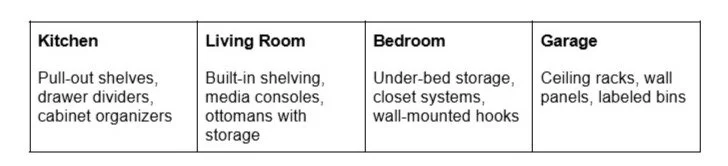
Every room in your home has untapped storage potential. In the kitchen, vertical space is almost always wasted. Installing open shelves above counters or adding a magnetic knife strip frees up drawer space and adds a modern look. Pull-out shelves inside lower cabinets make it much easier to access pots and pans without digging around.

In the living room, built-in shelving around a fireplace or TV unit looks sharp and gives you a place for books, décor, and media gear. If built-ins feel too permanent, a media console with drawers or a storage ottoman works just as well and costs far less.

Bedrooms benefit hugely from a proper closet system. A simple rod-and-shelf setup is usually not enough. Adding double-hang sections for shirts and jackets, a drawer unit for folded clothes, and shelf dividers makes the closet feel custom-built without a big price tag. Under-bed drawers or rolling storage containers take advantage of the space that is usually ignored.

Low-Cost Storage Upgrades With Big Impact

Not every storage upgrade needs to be expensive. Some of the most effective changes are affordable and easy to install on your own. Over-the-door organizers, for instance, work in bathrooms, bedrooms, and pantries. They take advantage of a surface that is normally wasted and instantly create more room.

Floating shelves are another budget-friendly option. They add storage and visual interest at the same time, turning blank walls into functional display areas. In bathrooms, a set of floating shelves above the toilet is a common fix for a space that often lacks storage.

Hidden Storage Tricks That Impress Visitors

Hidden storage is clever because it keeps spaces looking clean while still giving you plenty of room for your belongings. A storage bench at the end of a bed holds extra blankets. A coffee table with a lift top hides remotes, books, and chargers. Stair drawers built into the risers of a staircase are a creative way to use space that is often sealed off.

In smaller homes, a Murphy bed with built-in shelving around it turns a guest room into a home office or hobby space when the bed is folded up. These kinds of solutions do not just add storage. They make the home feel thoughtfully designed, which buyers and guests notice right away.

Keep it cohesive: Hidden storage looks best when it blends into the room. Match finishes to existing cabinetry or walls for a seamless, intentional look.

How Organized Storage Lifts Your Home's Value

Beyond just looking nice, smart storage has a real effect on home value. Buyers shopping in competitive markets pay close attention to closet space, pantry capacity, and garage organization. A home that feels roomy and organized stands out in listings and during showings.

Storage upgrades also signal to buyers that the home has been well cared for. When every space has a purpose and things are easy to find, it gives the impression of a well-maintained property. That confidence can lead to faster sales and stronger offers.

If you are planning to sell your home or simply want to enjoy it more while you live there, investing in smart storage is one of the smartest moves you can make. It costs less than a kitchen remodel, takes less time than a bathroom renovation, and delivers a noticeable improvement in how your home feels day to day.

FAQ

Q1: Why is storage important in my home?
Answer: Storage plays a crucial role in how a space feels. A cluttered room can seem smaller and less inviting, while a well-organized room with smart storage feels spacious and calm. Good storage also sends a message that the space was designed with care, which is important if you're planning to sell your home.

Q2: What are some effective storage solutions for my kitchen?

Answer: In the kitchen, consider installing pull-out shelves, drawer dividers, and cabinet organizers. Utilizing vertical space with open shelves above counters or adding a magnetic knife strip can also free up drawer space and enhance the look of your kitchen.

Q3: How can I create hidden storage in my home?

Answer: Hidden storage can keep your spaces looking clean while providing room for your belongings. Some clever options include using a storage bench at the end of the bed, a lift-top coffee table to hide remotes and books, or stair drawers built into the risers of a staircase.

Q4: Will smart storage solutions really increase my home's value?

Answer: Absolutely! Smart storage solutions can significantly boost your home's appeal and value. Buyers often look for closet space, pantry capacity, and garage organization. An organized home gives the impression of being well-maintained, which can lead to faster sales and stronger offers. 

/
script>