5 Simple Paint Upgrades That Instantly Increase the Appeal of a New York Apartment
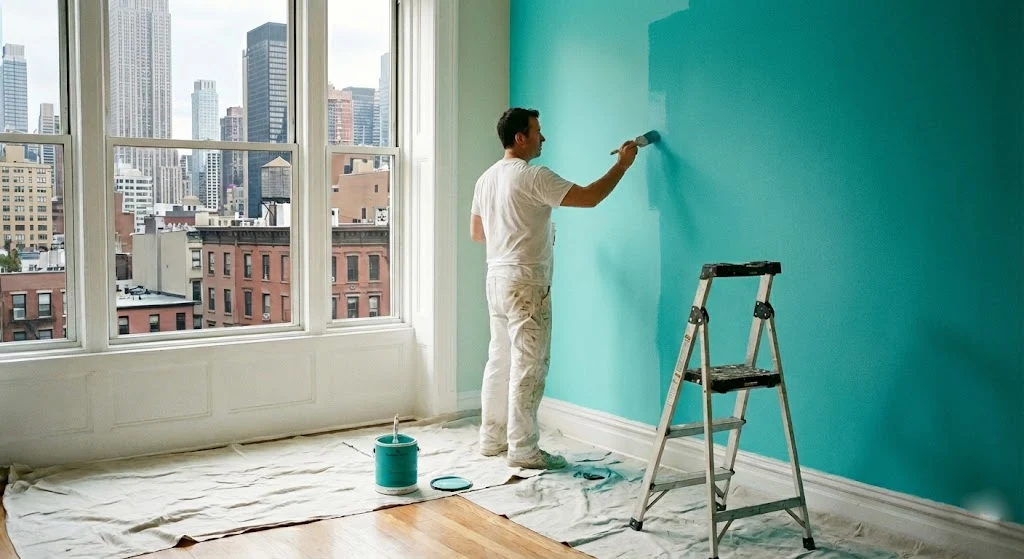
 

In New York, the difference between an apartment that feels inviting and one that feels forgettable often comes down to small details. Buyers and renters move quickly here, and they usually form an impression of a space within seconds of walking through the door—or even earlier when they scroll through listing photos online.

While large renovations get most of the attention, one of the simplest updates still has the biggest visual impact - paint. A well-done paint refresh can brighten a room, soften harsh lighting, and make an apartment feel noticeably more polished. It’s also one of the few upgrades that can transform a space without requiring weeks of work or a major investment.

For those getting ready to sell their homes, landlords sprucing up a rental, or anyone wanting a change in their apartment, a little paint can make a significant difference.


1. Start with Colors That Work with Natural Light

Lighting is everything in New York apartments. Some units are flooded with sunlight, while others rely heavily on artificial lighting throughout the day. The paint color you choose can either amplify that light or absorb it.

Soft neutrals tend to work best. Warm whites, soft grays, and subdued beiges have a knack for reflecting light, which can make a room feel both more luminous and a touch more spacious. This effect is especially pronounced in smaller apartments, where every bit of light counts.

Neutral hues set a serene, adaptable stage. They don't compete for attention with the walls; instead, they let the furniture, artwork, and architectural features take center stage. This is why they're often the go-to choice for staged apartments and professional real estate photography.

For anyone thinking about resale or renting in the future, neutral paint choices are usually the safest and most appealing option.


2. Pay attention to the first impact

You could assume that every area of an apartment requires a thorough makeover. But some rooms and areas are more important than others in making a good impression.

Start with the entryways. People notice them first when they walk in, and they softly establish the mood for all that comes after. A fresh coat of paint right away makes the flat feel cleaner and more cared for.

Living spaces are also a top importance. These areas are generally the main part of the house and are in most listing images. In person and in pictures, smooth walls, clean trim, and a balanced color palette may make the area appear brighter and more inviting.

A new coat of paint may even help hallways. They link a lot of rooms in New York apartments, so cleaning and making them all look the same makes the whole place feel more put together.

Repainting these spots that are easy to see may sometimes make the whole apartment feel new.


3. Give your kitchen cabinets a new life
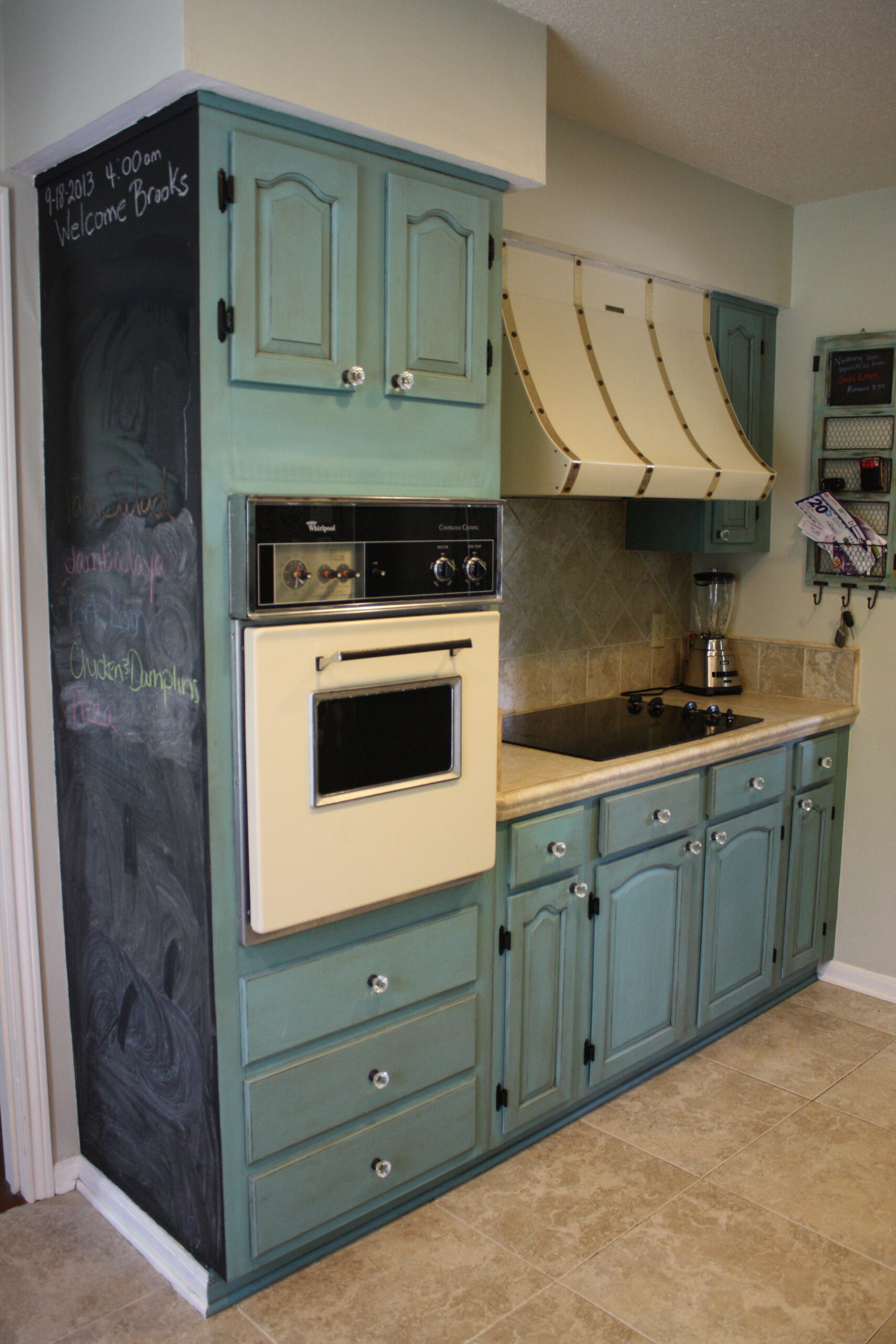
Renovating a kitchen can get pricey quickly, especially in New York where labor prices and time add up rapidly. Many homeowners don't think of this easy way to save money: refinishing the cabinets instead of buying new ones.

Because cabinets take up a lot of space in the kitchen, altering their color may change the whole look of the area. You may make dark or old wood finishes look better by using brighter colors. You can also make the room appear more modern by using neutral greys or deep navy tones.

The change is typically very noticeable, especially when new hardware or lighting is added.

Cabinet refinishing may give a unit a modern look without the hassle of a full remodel, making it a good choice for landlords getting a unit ready for new tenants or homeowners updating a kitchen before selling.


4. Don't forget to fix the walls

It's evident that the walls of a lot of New York apartments, especially older ones, have been around for a long time. Over time, they get little flaws like nail holes from paintings, hairline cracks, dents from furniture, and uneven patches from prior restorations.

It's easy to want to just paint over these markings, but new paint usually makes them stand out even more.

It makes a big difference to take the time to fix and smooth the walls first. Filling up holes, sanding down rough spots, and making surfaces more equal all lead to a much cleaner end product.

Apartment painting experts like Painman NYC say that the right surface preparation is often what makes the difference between a quick repaint and one that looks very professional. Walls that are smooth let light bounce about the room more evenly, which may make the whole area appear brighter and more polished.


5. Don't just think about color; the finish of the paint is also important.

People frequently talk about color when they talk about paint. But the finish of the paint is just as crucial for how the finished product appears and how long it lasts.

People typically employ matte finishes on ceilings or in bedrooms because they make things look soft and smooth and hide little flaws in the surface.

Eggshell and satin finishes last a little longer, so they're an excellent choice for living rooms or corridors where the walls might need to be cleaned from time to time.

Semi-gloss finishes are good for kitchens and bathrooms most of the time. These surfaces are better at dealing with moisture and simpler to clean, which is helpful in places where spills and fingerprints are prevalent.

Picking the correct finish for each space can help the paint look good for a long time after the project is done.


Why a New Coat of Paint Still Matters

In a  New York borought like Manhattan, Brooklyn or Bronx,  where competition is high, how a home looks may make or break the initial impression. People who want to buy or rent a place notice when it is clean, bright, and well-kept.

New paint says exactly what it means. It shows that you care and pay attention to the little things, even if you haven't thoroughly explored the place yet.

The good news is that you don't have to perform a lot of  work to make this type of change. A new coat of paint may change the way a home appears and feels in a short amount of time.

For a lot of New York apartments, just one simple change is enough to make a home ready to move into.
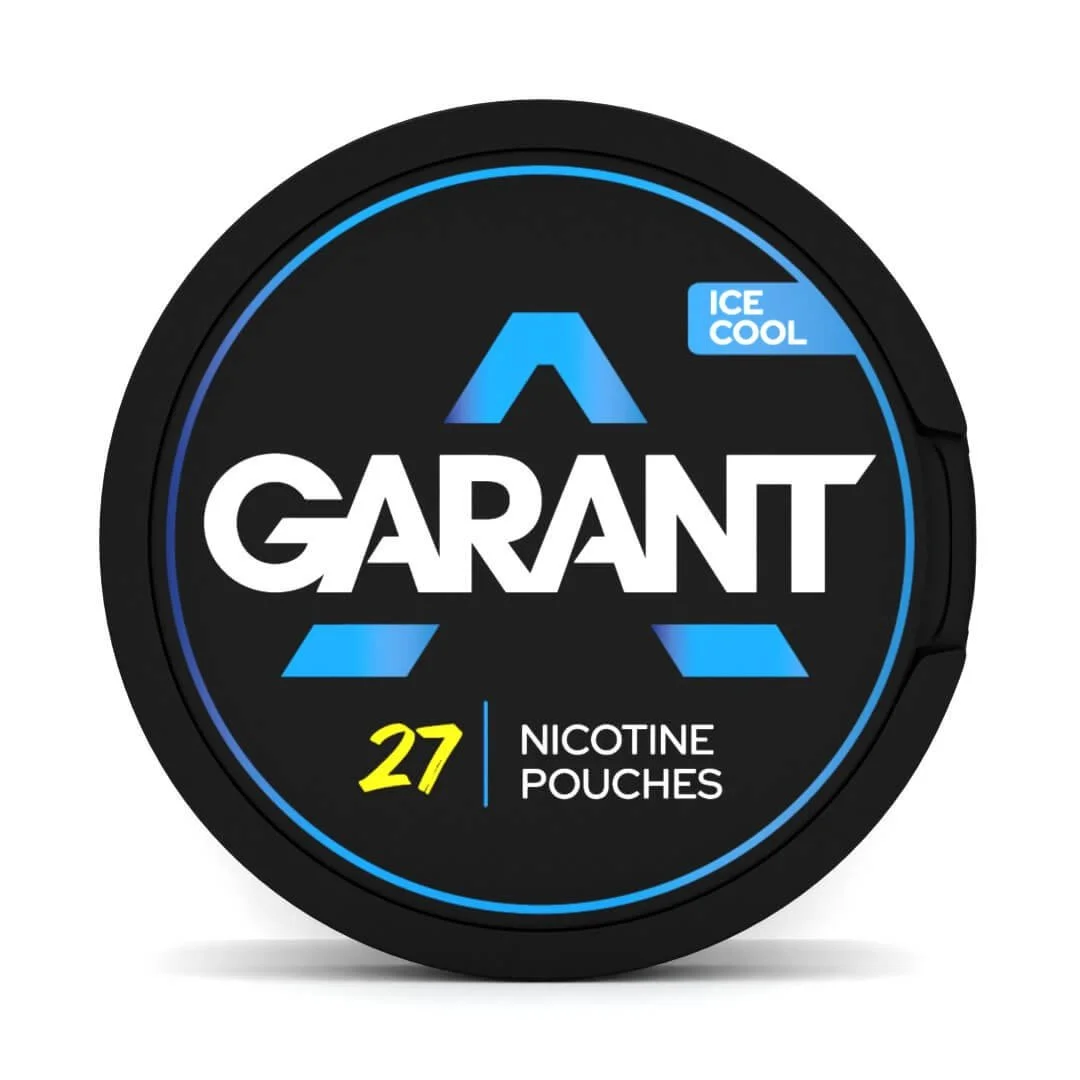
Ice Cool Nicotine Pouches: The Ultimate Refreshment Hit

The sensation of intense coolness is more than just a flavor; it's a physical experience. A powerful chill that refreshes the senses and provides a clear, sharp feeling of awakening. In the realm of nicotine pouches, achieving this effect authentically, without relying on overwhelming menthol or chemical coolants, is a mark of quality. A truly great cooling pouch should feel clean, penetrating, and incredibly refreshing, leaving a lasting impression of crispness. It should be like a splash of icy water on your face—invigorating and pure. This was the exact feeling we aimed to capture and perfect.

Our ice cool nicotine pouches are engineered to deliver that quintessential chilling experience. We're talking about a profound coolness that sets a new standard. This isn't a mild minty hint; it's a bold, arctic blast that defines the "cool" category. To achieve this, we utilize high-quality cooling agents and complementary flavors sourced from Europe, ensuring a smooth yet powerful sensation. The coolness is designed to be long-lasting, providing a refreshing journey that persists. As a brand that launched in May 2020, at the forefront of this product category's growth, mastering such a definitive sensation was a key goal for Garant Snus.


What Makes This Cooling Pouch Exceptional?

The magic lies in the blend and the balance. A cooling effect can sometimes be sharp or one-dimensional. We focused on creating a complex cooling profile that is both intense and smooth. It wakes you up without a harsh chemical bite. The pouch itself is optimized for comfort, allowing the cooling sensation to diffuse evenly. You simply get more of this premium refreshment.

The core attributes of the Ice Cool experience:

  1. Deep, Arctic Cooling: An intense and authentic chilling sensation.

  2. Smooth Delivery: Powerful effect without harshness or bitterness.

  3. Extended Sensation: The refreshing feeling is built to last.

Selecting a cooling product for your business requires trust in the supplier's ability to deliver a genuine experience. Cheap imitations often use lower-grade agents that can taste medicinal or fade quickly. We are a premium brand. Our price point reflects the cost of superior European ingredients and a meticulous production process dedicated to getting this specific sensation right. When you stock ice cool nicotine pouches that truly live up to their name, you meet the demand for a reliable, high-impact refreshment option. Garant Snus has built its reputation on fulfilling such precise demands with quality.

Your Partner for Premium Refreshment

Since we only work on a wholesale basis, our entire operation is tailored to support your business with outstanding products. Our customer service is fast, responsive, and personal—we believe in quick answers and rapid dispatch. We communicate in a straightforward, friendly manner, avoiding complex business terms. It's about partnership. By offering Ice Cool snus, you provide a top-quality product with a crisp, cooling effect, backed by Garant Snus.

How to Prepare for a Last-Minute Move in San Jose

Moving is stressful under the best of circumstances. When you're facing a last-minute relocation in a major city like San Jose, the pressure intensifies. Whether prompted by a job opportunity, lease expiration, or unexpected personal matters, quick moves require a clear plan and swift execution. This San Jose last-minute relocation guide outlines practical steps to help you stay organized and efficient during an emergency move.

1. Stay Calm and Prioritize

Panic will only slow you down. Take a breath and make a list of essential tasks, such as securing transportation, gathering packing supplies, and notifying utilities. Determine your moving date and work backward to create a mini timeline. Focus on high-priority items first: what must go, what can be donated, and what needs immediate attention.

2. Gather Supplies Quickly

Running out to multiple stores for packing materials can waste precious time. Look for local packing supply vendors or reuse boxes from nearby retail stores. Essentials include sturdy boxes, packing tape, bubble wrap, and markers. In urgent moves, don’t overthink packaging—wrap valuables in towels or clothing to save time and space.

3. Pack Strategically

If you’re wondering how to move quickly in San Jose, start with a room-by-room strategy. Aim to pack entire rooms into labeled boxes to keep things organized. Use an “essentials” box for items like toiletries, medications, chargers, and important documents—this will reduce stress once you’re in your new home. Avoid overpacking boxes, and secure fragile items tightly to prevent damage.

4. Declutter Aggressively

When time is limited, you can't afford to move everything. Separate the items you regularly use from those you can donate, discard, or put into storage. Many local charities in San Jose offer same-day pick-up for donations. Traveling light will make your move faster and more manageable.

5. Enlist the Right Help

If you don’t have friends or family available on short notice, professional movers can be lifesavers. Working with same-day movers in San Jose ensures your move is handled efficiently, even under tight time constraints. They’re equipped to handle packing, transporting, and even heavy furniture disassembly on the fly.

6. Notify Key Parties

Don't forget to update your address with the post office, banks, and any subscription services. Notify your employer, school, or landlord about your move. Contact utility companies to transfer or cancel services, and make sure to schedule power and internet setup at your new location ahead of time.

7. Use Technology to Stay Organized

Mobile apps like Sortly or TaskRabbit can help you track your packing and find last-minute help. GPS tools can chart efficient moving routes across San Jose’s busy roads. Apps can also help you compare reviews and prices for emergency movers that San Jose residents often rely on.

8. Know the Local Regulations

If you live in downtown or urban areas requiring permits for loading zones, check city regulations or apartment policies. Last-minute movers may also assist with these logistics, so be sure to ask when booking services. Fast compliance with San Jose’s parking and moving laws can save you from delays or fines.

Final Thoughts

Facing a last-minute move doesn’t have to spell chaos. With a clear plan, the right resources, and a focus on essentials, you can pull off a fast and successful relocation. Leverage this San Jose last-minute relocation guide to turn stress into strategy and ensure your transition happens as smoothly as possible.

Understanding the Most Important Home Maintenance Tasks for Long-Term Property Care

Owning a home comes with many responsibilities, and regular maintenance is one of the most important. Proper upkeep helps preserve the value of your property while preventing small issues from turning into costly repairs. Many homeowners tend to overlook routine maintenance tasks until a problem becomes noticeable. However, taking a proactive approach can extend the lifespan of major systems and maintain a comfortable living environment.

By paying attention to key areas of the home, such as structural components, heating and cooling systems, plumbing, and exterior maintenance, homeowners can ensure their property remains safe and functional for years to come. Understanding which tasks require regular attention is the first step toward long-term property care.

Inspecting the Home’s Structural Components

The structural integrity of a home plays a major role in its overall stability and safety. Regular inspections of key structural elements help homeowners identify early signs of damage before they develop into larger problems.

Start by examining the roof for missing shingles, cracked materials, or areas where water may be pooling. Roof damage can allow moisture to enter the home, which may lead to mold growth and interior damage. It is also important to inspect exterior walls and the foundation for visible cracks or shifts that may indicate structural movement.

Doors and windows should also be checked regularly. Gaps around frames or damaged seals can allow air and moisture to enter the home, which may increase energy costs and reduce indoor comfort. Identifying these issues early can prevent further damage and protect the overall structure of the property.

Maintaining Heating, Cooling, and Ventilation Systems

Heating, ventilation, and air conditioning systems are essential for maintaining indoor comfort throughout the year. Regular maintenance ensures these systems operate efficiently and helps reduce energy consumption.

One of the simplest maintenance tasks is replacing or cleaning air filters on a regular basis. Dirty filters can restrict airflow, forcing HVAC systems to work harder than necessary. This not only increases energy costs but can also shorten the lifespan of the equipment.

Homeowners should also schedule periodic inspections by qualified professionals. Technicians can check components such as coils, compressors, and electrical connections to ensure the system is functioning properly. In addition, keeping vents and ductwork clean helps maintain healthy air circulation and improves indoor air quality.

By performing routine maintenance, homeowners can improve system efficiency and reduce the likelihood of unexpected breakdowns.

Addressing Plumbing Issues Early

Plumbing systems are one of the most essential parts of any home, yet they are often overlooked until a problem occurs. Even small plumbing issues can quickly escalate into significant damage if they are not addressed promptly.

Common plumbing issues homeowners may encounter include:

  • Leaking faucets

  • Dripping or damaged pipes

  • Slow or clogged drains

  • Low water pressure

  • Running toilets

While these problems may appear minor at first, they can lead to more serious complications over time. For example:

  • Water damage may occur in walls, floors, and cabinetry if leaks are ignored.

  • Mold and mildew growth can develop when excess moisture is present.

  • Higher utility bills may result from continuous water loss caused by leaks.

Preventative maintenance can help reduce the risk of plumbing issues. Homeowners should consider the following practices:

  • Inspect visible pipes periodically for signs of corrosion or leaks

  • Clean drains regularly to prevent buildup and blockages

  • Avoid flushing non-degradable items down toilets

  • Monitor water pressure and unusual sounds in plumbing systems

If plumbing concerns arise, it is best to consult experienced professionals who can diagnose and repair the issue effectively. Homeowners looking for reliable support may visit Mr. Rooter's website for plumbing solution services to learn more about professional assistance and available repair options.

Addressing plumbing issues early helps prevent extensive water damage and ensures the plumbing system continues to operate efficiently.

Maintaining Exterior Areas and Drainage

Exterior maintenance plays an important role in protecting the home from environmental damage. Many issues that affect the interior of a home begin with problems on the outside, particularly when it comes to water management.

Gutters and downspouts should be cleaned regularly to ensure rainwater flows away from the house properly. When gutters become clogged with leaves or debris, water can overflow and seep into the roof or foundation. This can cause structural damage and moisture problems inside the home.

Homeowners should also inspect siding and exterior surfaces for signs of wear, cracks, or damage. Repairing these areas promptly helps protect the home from weather exposure. In addition, landscaping should be maintained so that plant roots do not interfere with the foundation or underground pipes.

Proper grading around the home is another important factor. The ground should slope away from the foundation to prevent water from accumulating near the structure.

Creating a Seasonal Maintenance Routine

One of the best ways to stay on top of home maintenance is by creating a seasonal routine. Dividing tasks into seasonal checklists helps homeowners stay organized and ensures that important inspections are not overlooked.

For example, spring may involve checking gutters, inspecting the roof, and preparing outdoor areas. Summer can be used to service cooling systems and maintain landscaping. Fall is an ideal time to prepare heating systems and clean debris from gutters, while winter may involve monitoring insulation and protecting pipes from freezing temperatures.

Keeping records of inspections, repairs, and upgrades also helps homeowners track maintenance history and plan future improvements.

Protecting Your Property for the Long Term

Maintaining a home requires consistent effort, but the benefits are well worth it. By inspecting structural components, maintaining HVAC systems, addressing plumbing issues promptly, and caring for exterior areas, homeowners can prevent costly repairs and extend the life of their property.

A proactive maintenance approach not only protects the value of a home but also ensures a safe and comfortable living environment. With regular attention and professional assistance when needed, homeowners can keep their property in excellent condition for many years.

A Contractor’s Guide to Efficient and Safe Worksite Management

Managing a construction site effectively requires careful planning, organization, and attention to safety. Contractors face the challenge of keeping projects on schedule, maintaining productivity, and protecting workers while minimizing risks and potential delays. Efficient and safe worksite management is essential not only for completing projects on time but also for safeguarding employees, equipment, and the public. By implementing proven strategies, contractors can create a well-organized, secure, and productive work environment. This guide provides practical tips for managing construction sites successfully, including site planning, safety protocols, equipment management, and the strategic use of construction fencing.

Planning Your Worksite

The foundation of any efficient and safe worksite begins with thorough planning. Before the first piece of equipment arrives, contractors should develop a detailed project timeline and workflow. Planning involves determining which tasks should be completed first, how materials and labor will be allocated, and how potential challenges can be addressed proactively.

Key steps include:

  • Developing a clear project timeline that outlines critical milestones

  • Allocating resources and equipment strategically to prevent delays

  • Identifying potential hazards and planning for mitigation

  • Establishing access routes for personnel, deliveries, and machinery

Effective planning ensures that the site operates smoothly, reduces downtime, and allows workers to perform their tasks efficiently. Taking time to plan also minimizes the likelihood of accidents and costly mistakes during the project.

Implementing Safety Protocols

Safety is a top priority on every construction site. Contractors must establish and enforce safety protocols to protect workers, visitors, and the public. A strong safety program reduces the risk of injuries, insurance claims, and delays while fostering a professional work environment.

Essential safety measures include:

  • Requiring personal protective equipment (PPE) for all personnel

  • Conducting regular safety training sessions for staff and subcontractors

  • Using signage to indicate hazards, restricted areas, and emergency routes

  • Developing and communicating emergency response plans and first aid procedures

Consistency in enforcing these protocols is critical. A worksite where safety standards are strictly followed demonstrates professionalism and ensures that all employees understand their responsibilities and the importance of safe practices.

Efficient Equipment and Material Management

Organizing tools, machinery, and materials is another key factor in worksite efficiency. Poorly managed equipment can slow down projects, create safety hazards, and lead to unnecessary costs. Contractors should implement strategies to maintain order and track resources effectively.

Tips for equipment and material management include:

  • Designating storage zones for easy access and to prevent clutter

  • Scheduling material deliveries to avoid overcrowding or delays

  • Conducting regular inventory checks and equipment maintenance

  • Using software or digital tools to track tools, materials, and usage

By keeping equipment and materials organized, contractors can improve workflow, prevent losses, and maintain a safer work environment for employees.

Rent a Construction Fence to Protect Your Worksite

One of the most effective ways to maintain safety and security on a construction site is by using a construction fence. Renting a construction fence is a practical and cost-efficient solution for controlling access and protecting your project.

Construction fencing is essential because it:

  • Prevents unauthorized personnel from entering the worksite

  • Protects the public from potential hazards associated with ongoing construction

  • Secures tools, materials, and equipment against theft or damage

Contractors have several options when it comes to fencing. Temporary fencing is ideal for short-term projects, while modular or panel fencing allows for easy relocation and adjustments as the project evolves. Working with a professional service that provides installation, maintenance, and removal ensures the fence meets safety standards and local regulations. Renting construction fencing not only helps maintain compliance but also gives contractors peace of mind that their site is secure and well-organized.

Monitoring and Continuous Improvement

Efficient and safe worksite management does not end once the project begins. Continuous monitoring and improvement are necessary to maintain productivity and minimize risks. Regular site inspections allow contractors to identify hazards, workflow issues, or areas where processes can be optimized.

Key steps include:

  • Conducting daily or weekly walkthroughs to spot potential safety issues

  • Gathering feedback from employees on workflow or safety concerns

  • Adjusting plans and protocols as needed to improve efficiency

  • Documenting incidents and resolutions to prevent recurrence

Ongoing evaluation ensures that the worksite remains safe and organized throughout the project. Contractors who prioritize continuous improvement can reduce accidents, improve employee performance, and maintain high-quality standards.

Planning Your Next Steps

Managing a construction site successfully requires a combination of planning, safety, organization, and security measures. Contractors who implement these strategies can ensure their projects remain on schedule, workers are protected, and risks are minimized.

Key takeaways include:

  • Prioritize site planning to optimize workflow and resource allocation

  • Enforce strict safety protocols to protect employees and the public

  • Organize tools, materials, and equipment for efficiency

  • Rent construction fencing to secure the worksite and maintain compliance

  • Monitor operations regularly and adjust strategies as needed

By following these steps, contractors can achieve both efficiency and safety on any construction project. A well-managed worksite not only protects people and property but also enhances productivity, reduces costs, and ensures projects are completed successfully.