Maximizing Space: A Comprehensive Guide To Adding a Bedroom to Your Home

The pursuit of an ideal home often leads homeowners to consider expansion projects, particularly adding a bedroom to accommodate a growing family or to increase property value. While the idea is exciting, the task requires thoughtful planning and attention to detail. It’s important to weigh the benefits against the cost and disruption to daily life. But for those in need of extra space, this guide will walk through everything from understanding zoning laws to selecting the right contractor. Keep reading to navigate the complexities of adding a bedroom with ease and ensure a successful home improvement venture.

Understanding the Basics of Bedroom Addition and Space Optimization

Adding a bedroom starts with assessing available space and deciding whether to build upward, outward, or repurpose existing areas. Effective planning ensures the new room integrates seamlessly with the home's layout while maximizing natural light and ventilation. Thoughtful window placement, energy-efficient lighting, and careful design choices enhance both comfort and ambiance.

Functionality is key: consider daily use, furniture arrangement, and accessibility to create a practical, livable space. Incorporating Bedroom furniture collections strategically helps optimize storage and movement. Sound insulation is also essential, ensuring privacy and comfort for any type of bedroom, from a nursery to a master suite.

Legal Considerations and Building Codes for Home Expansions

Before selecting paint swatches for your new bedroom, homeowners must navigate local legal requirements for home construction. Zoning laws and building codes dictate property boundaries, building heights, and total square footage, with violations potentially resulting in fines or mandated removal. Securing the proper permits is critical, as most municipalities require them before any structural changes. Permits ensure additions are safe, structurally sound, and compliant with environmental and regulatory standards.

Homeowners should also consider easements and homeowners' association rules, which may limit property use or impose design guidelines. Building codes further govern safety features like egress windows, smoke detectors, and fire-rated materials, which must be incorporated into plans from the start to pass inspections.

Designing the Perfect Bedroom Addition to Enhance Your Home's Value

Designing a bedroom addition blends aesthetics with practicality, creating a space that is both appealing and functional. Thoughtful layouts, timeless materials, and neutral color schemes enhance comfort and long-term property value. High-quality fixtures and finishes add a sense of luxury, while balancing personal style with universal design principles ensures the space remains attractive to future buyers.

Incorporating flexible and sustainable elements further elevates the design. Built-in wiring, adaptable layouts, and energy-efficient windows allow the room to evolve with changing needs. Non-toxic materials and renewable energy options like solar panels reduce utility costs and environmental impact. These choices create a bedroom that is stylish, functional, and cost-effective for years to come.

Innovative Storage Solutions for Your New Bedroom Space

Effective storage solutions transform a bedroom, making even smaller additions feel open and organized. Built-in wardrobes, under-bed compartments, and multi-functional furniture optimize space while maintaining order. Custom storage options adapt to irregular room shapes, providing discreet, accessible spaces for clothing, linens, and personal items while complementing the room’s design.

Modern trends favor minimalist and smart storage, including open shelving, wall-mounted hooks, and streamlined furniture, keeping rooms airy yet functional. Allocating space for technology and entertainment, with efficient cable management and designated device areas, prevents clutter. Clever storage strategies ensure the bedroom remains both practical and serene, balancing aesthetic appeal with everyday functionality.

Selecting the Right Contractor for Your Bedroom Addition Project

Choosing the right contractor is crucial for a successful bedroom addition. Research thoroughly by checking credentials, reading reviews, and seeking recommendations. Prioritize contractors with a proven track record of quality work, timely completion, and attention to detail. Reviewing their past projects, especially bedroom additions, can reveal their expertise and craftsmanship.

Clear communication and proper documentation are essential. A reliable contractor will listen to your needs, offer guidance, and keep you informed throughout the process. Ensure detailed quotes, contracts, and verify that they are fully insured and bonded. Trusted professionals, including those offering Heating and Cooling Services, will guarantee that both the structure and environmental systems of your new bedroom addition are expertly handled.

Overall, a well-planned and executed bedroom addition can significantly enhance your home's functionality and value. By understanding the foundational aspects, adhering to legal requirements, designing thoughtfully, incorporating innovative storage, and selecting the right contractor, your project is poised to be a resounding success. The effort and investment will pay off in the creation of a space that not only meets your immediate needs but also stands the test of time.


3 Environmental Risks Every Off-Plan Investor Should Understand

Buying off-plan is a bit of a gamble, isn’t it? You’re buying into a dream that doesn’t fully exist yet, a patch of ground and a promise. The show home looks pristine, the renderings are seductive, but the one thing no one seems to talk about is what’s underneath all that. Not metaphorically. Literally. The ground itself. Because when the foundations are bad, everything else, no matter how shiny, eventually starts to crack.

People tend to assume that new builds mean clean land, fresh starts, nothing to worry about. But it doesn’t really work like that. Developers are building on land that had a life before including industrial, agricultural, sometimes even landfill. That history leaves traces, and if you don’t check what’s been buried, you might inherit more than a mortgage. The Smart surveyors, cautious investors and the old hands they all start with the soil. Companies who do things like MATECO geoprobe drilling are basically the detectives of that unseen world. They push, sample, test, and map the unseen. It’s unglamorous work, but it’s what separates a safe investment from a ticking liability.

1. The Ghosts Beneath the Surface

Here’s something that still shocks a lot of people: “new build” doesn’t necessarily mean “new land.” Some of these pristine-looking developments sit right on top of former factories, fuel depots, or agricultural sites saturated with chemicals decades ago. You wouldn’t know by looking at the marketing materials. The grass is always digitally green.

But the ground remembers. Heavy metals, petroleum residues and asbestos they don’t just disappear because someone rolled out turf. According to EPA data on land contamination, polluted soil can remain active for generations, and even small amounts can spread quietly through water or air. You can cap it, contain it, build over it, but if it’s not handled properly then it’ll find its way back up.

Picture this: you buy into a modern apartment complex, beautifully landscaped, and three years later the council starts investigating why nearby wells are testing high for lead. You’d never expect it, but it happens. The fix? Proper environmental sampling at the earliest possible stage. It’s not thrilling stuff, but it’s cheaper than cleaning up someone else’s mess.

2. Shifting Ground and Rising Water

Even if the land’s clean, there’s the question of whether it’s solid. You can have perfect soil chemistry and still end up with structural nightmares if the ground isn’t stable. Maybe the topsoil’s too soft, or there’s a high-water table bubbling up below. The kind of thing you only find when you drill down.

If you’ve ever seen a half-built site left abandoned with puddles and trenches, that’s usually a clue. In a lot of those cases, it’s not money that ran out it’s patience with the ground. Groundwater levels can shift faster than expected, especially in wet climates or reclaimed areas. Basements leak. Car parks flood. Concrete slabs tilt. And once those issues start, you can’t just “patch” the ground the way you’d patch a roof.

That’s why the drilling tech matters. The data gathered from direct-push tests, like the ones used in geoprobe systems help map what’s going on down there before you build. It tells you whether the soil can bear the weight, whether water is creeping too close, whether you’re sitting on clay or rock. Developers who skip this stage are basically building blind.

3. The Future Has a Climate Too

The third risk isn’t buried - it’s coming at us from the sky. Climate change is already rewriting the rules of what makes land “safe.” Flood zones are expanding, rainfall patterns shifting, and areas that never had water problems are suddenly dealing with saturation. A perfect plot today might be borderline tomorrow.

Investors are starting to look harder at these long-range environmental factors. You’ll notice how coverage of new estates now tends to include the green credentials such as sustainable drainage systems, shoreline protections and low-impact materials. It’s partly marketing, sure, but it’s also a reflection of where value is heading. Future buyers care whether a development was responsibly planned, not just beautifully designed.

And here’s the kicker: environmental due diligence isn’t just defensive anymore. It’s strategic. A well-documented, low-risk site can fetch better financing terms, insurance premiums, even resale margins. The industry’s catching on to something environmental scientists have known for decades - good ground data isn’t a box to tick; it’s a foundation for value.

The Bottom Line

Buying off-plan means buying early, sometimes too early. Before the roads, before the fences, before you can even smell the paint. It’s exciting, but also a little reckless if you don’t look down first. The surface tells you what the architect wants you to see; the ground tells you what time will reveal.

If you’re serious about investing, make “what’s under there?” one of your first questions. It’s not romantic. It won’t sell condos. But it’s the kind of quiet diligence that keeps your future steady when everything else gets shaky. Because real estate might be about location, but the truth, as it turns out, is buried a few feet deeper.

Short-Term vs. Long-Term Trailer Rentals: Which Saves More

Finding the most affordable trailer rental depends entirely on your project's timeline and needs. While many assume short-term is cheaper, the best value varies by situation.

Your main choice is between a short-term rental and a longer commitment. Whether you're moving furniture locally or transporting a vehicle long-distance, the goal remains the same: get the right trailer without overspending or complications.

Let's examine the pros and cons of each option. A direct comparison will reveal which strategy offers the best balance of savings and convenience for your specific circumstances.

The Short-Term Trailer Rental: Pay-As-You-Go Flexibility

A short-term trailer rental operates on a daily or weekly basis, providing an optimal solution for projects with clearly defined, brief timelines. This model delivers maximum value in several common scenarios where flexibility outweighs long-term commitment.

When Short-Term Rentals Shine

A short-term car trailer rental is perfect when you need flexibility without being locked into a long contract. 

It's your best choice in a few common situations:

  • For one-day jobs: If you're just doing a single task like moving some furniture or cleaning out the garage, paying for a single day is your most affordable option.

  • For last-minute needs: When something unexpected comes up—like needing to tow a car—peer-to-peer apps let you find a trailer nearby with no long-term commitment.

  • When your schedule is uncertain: If you're not sure how long your project will take, the short-term model is ideal. You just return the trailer when you're done, with no hassle.

  • For practice: It's a great, low-pressure way for someone new to towing to learn the basics of hitching up, maneuvering, and braking before a big trip.

According to Neighbors Trailer, short-term rentals are an excellent solution for customers who value convenience and affordability without sacrificing reliability.

Customers seeking a specialized car trailer rental for track events or an enclosed trailer for secure transport will likely discover equipment that precisely matches their project requirements.

The Hidden Costs of Short-Term Rentals

High demand for popular trailer models often materializes during peak moving seasons and on weekends. A failure to secure a reservation well in advance can leave you without critical equipment at the most necessary moment.

The apparent affordability of a daily rate can become a financial liability for projects that extend beyond their initial timeline. Three or four days of rental fees can surpass the total cost of a single weekly contract. 

Furthermore, many agreements, particularly from traditional rental yards, impose strict mileage limitations. Exceeding these predetermined caps incurs substantial per-mile charges, which significantly increase the total rental cost.

Verdict for Short-Term: Best for projects under one week with a clearly defined scope and end date. The savings come from paying only for the time you actively need the asset.

The Long-Term Trailer Rental: Unlocking Value Through Commitment

A long-term trailer rental typically functions as a monthly subscription, shifting the user from a transactional model to a dedicated access model. This transition consistently offers a significantly reduced monthly rate compared to short-term agreements.

When Long-Term Rentals Shine

A long-term rental offers clear benefits for ongoing needs:

  • Extended Projects: Get continuous access for long jobs like a renovation, all for a single, cost-effective monthly rate.

  • Commercial Use: It's a budget-friendly fleet solution for businesses, saving you from the high cost of buying a trailer outright.

  • Multi-Part Moves: A month-long rental gives you the flexibility to pack and move in stages, without the pressure of a short deadline.

  • Budget Predictability: A fixed monthly payment makes financial planning easier, protecting you from variable daily fees.

The Hidden Costs of Long-Term Rentals

A long-term rental provides maximum value for projects spanning several weeks or for users requiring frequent access. This model achieves significant savings through a substantially reduced daily rate and offers consistent operational availability.

This commitment, however, introduces distinct financial and logistical challenges. The user assumes full responsibility for securing the trailer throughout the entire rental period. Individuals without access to private parking face a substantial challenge, as they retain liability for any theft or damage that occurs.

The fixed contractual term also lacks flexibility for unforeseen changes. A project cancellation or early completion typically still obligates the user to the full rental period, resulting in payment for unused equipment. 

Furthermore, the economic advantage is entirely contingent upon consistent use. Extended periods of inactivity make the cost-per-use inefficient and ultimately negate the potential savings.

The Financial Breakdown: A Side-by-Side Comparison

A precise cost analysis uses specific project timelines and average market rates. We will apply standard figures for a utility trailer: $55 for a daily short-term rental, $275 for a weekly short-term rental, and $425 for a monthly long-term rental.

For a three-day project, a short-term rental costs $165. A monthly rental for this brief period costs $425. The short-term option provides a clear financial advantage, saving an average of $260.

A three-week project using three consecutive weekly rentals totals $825. A single monthly rental costs $425. The long-term model decisively saves an average of $400 for this duration.

A two-month project requires eight weekly rentals, costing $2,200. The same period with a long-term rental costs $850. For any multi-month project, the long-term rental offers substantial average savings of $1,350, making it the undisputed financial choice.

Beyond the Price Tag: The Convenience Factor of Peer-to-Peer

Renting a trailer through a peer-to-peer platform is about more than just a good price. It's also a much more convenient and personalized experience that ends up saving you a lot of time and effort.

A primary benefit is the highly localized access to equipment. Renters can frequently locate a trailer mere blocks from their location, which eliminates lengthy trips to a commercial depot and conserves both time and fuel during pickup and return. The platforms also feature remarkably diverse inventories. 

This rental approach additionally generates community-focused advantages. The process of renting from individual owners circulates capital within the local economy and typically includes more personalized service. Renters often receive practical guidance directly from experienced trailer owners, enhancing the overall utility of the transaction.

The Final Verdict: Which One Saves More?

For projects requiring less than one week, a short-term rental offers the necessary flexibility and low initial cost. This approach suits single, well-defined tasks.

Choose a long-term rental for projects spanning several weeks or months, or for intermittent needs over an extended period. Its significantly lower effective daily rate provides a clear financial advantage for prolonged use.

Accurately assess your project's true timeline to secure the greatest savings. A realistic outlook is essential. For instance, a move estimated for one day that extends into a second makes a weekly rental more economical than two daily rentals. A multi-phase project will almost always achieve the best value and operational efficiency through a long-term monthly rental.

UniSmartMove.com reviews – Customer Support (Copy)

When people search for a broker, the first thing they want to know is whether the company is safe and trustworthy. UniSmartMove.com review has been around for quite a while, and its track record immediately sparks curiosity. Longevity, licensing, and client reviews all come together to paint a clearer picture of how reliable this brand really is.

Here’s another fact that looks like a good argument for legality: not every broker manages to build a name that lasts for years. Some appear and disappear within months, leaving traders disappointed. But when we see a company that keeps growing, it naturally raises the question – what makes it different from the rest?

We think it’s worth digging deeper into UniSmartMove.com review’s background. From its foundation year to regulation and user opinions, every detail adds another piece to the puzzle of trust. And that’s exactly what traders want to see before making their choice.

Direct Contact Options That Build Trust

When exploring UniSmartMove.com reviews, one of the most reassuring details is the fact that the broker provides both a phone number and an email for direct communication. The number +41 157 645 756 gives traders the chance to connect instantly, while the email support@unismartmove.com is perfect for longer inquiries and cases that need written records.

Here’s another fact that looks like a good argument for legality: companies that openly display multiple contact methods usually do so because they have nothing to hide. If they were unreliable, would they really risk giving clients such direct access?

We think that UniSmartMove.com review’s support setup feels trustworthy. A phone number plus email means users have at least two reliable ways to get help, and that’s already more than many competitors offer. This level of accessibility suggests the brand takes customer care seriously.

Foundation Year and Domain History

UniSmartMove.com reviews was officially founded in 2007, and the domain itself was registered on 2007-04-16. This alignment is a crucial detail because it shows that the company’s online presence started right alongside its creation. When the founding year and the domain purchase match up like this, it suggests there was no rush or attempt to backdate credibility. Everything looks natural and consistent.

Here’s another fact that looks like a good argument for legality: brokers that have been online since their actual launch usually plan long-term operations, not quick scams. Why else would they secure a domain from the very beginning?

We think that staying active since 2007 already speaks volumes. Almost two decades in the market is not something you can fake. Longevity itself often becomes proof of stability, especially in the financial sector where short-lived projects disappear quickly.

License Under FCA

One of the strongest points in favor of UniSmartMove.com review’s legitimacy is its regulation by the FCA (Financial Conduct Authority). The FCA is not just any regulator – it’s one of the most respected financial watchdogs in the world, based in the UK. Brokers that hold this license are obliged to follow strict rules regarding transparency, client fund protection, and fair trading practices.

Here’s another fact that looks like a good argument for legality: the FCA doesn’t just hand out licenses to anyone. The process involves detailed checks, proof of capital adequacy, and constant supervision. So if UniSmartMove.com reviews is licensed by the FCA, it means they’ve passed serious scrutiny and continue to be monitored.

We think this makes the brand stand out among others. Many brokers claim reliability, but only a few can actually prove it with a top-tier license. And let’s be honest, wouldn’t you feel safer trading with a company that’s officially under the eye of such a tough regulator?

Reviews and Client Trust

Looking at client feedback, UniSmartMove.com reviews has a Trustpilot score of 4.5, based on 2893 reviews, with 2890 of them being verified. In the forex niche, this is an impressive number. Most brokers struggle to keep a rating above 4.0 because traders are quick to point out any issues. A score of 4.5 shows that the majority of clients are satisfied with the service.

Here’s another fact that looks like a good argument for legality: almost three thousand reviews is not something you can easily fake. When feedback comes in such volume, it usually reflects real user experiences. And the fact that nearly all reviews are verified only strengthens the trustworthiness of this score.

We think that this level of reputation is a strong signal. People don’t keep coming back to leave positive feedback unless the broker delivers. Doesn’t it make sense that a high rating combined with thousands of users means the company is doing things right?

Final Thoughts on UniSmartMove.com reviews

When we put everything together, UniSmartMove.com review really starts to look like a brand that has earned its position in the market. The foundation year of 2007 and the matching domain registration date already hint at consistency and long-term planning. Then comes the FCA license, one of the strongest regulatory stamps a broker can get, which adds a serious layer of credibility. And finally, the Trustpilot score of 4.5 from almost three thousand reviews confirms that real users are not only trading here but also leaving overwhelmingly positive feedback.

Here’s another fact that looks like a good argument for legality: brokers with weak reputations usually fail to maintain high ratings for long, especially when thousands of clients are involved. Doesn’t it feel logical that so many positive reviews can’t just appear out of nowhere?

We think UniSmartMove.com reviews stands as a trustworthy choice in the forex space. Its history, regulation, and customer reputation all point in the same direction – stability and reliability. And in a world where traders want safety above all, that’s exactly the kind of combination that matters most.

Modern Living and Sustainable Window Treatments

Modern living encourages habits that enhance daily comfort while promoting the efficient use of resources. It is about creating spaces and lifestyles that are practical, long-lasting, and mindful of energy consumption. By adopting small, consistent changes such as reducing waste, conserving water, using renewable energy, and choosing locally produced goods, individuals can support a more sustainable way of life without compromising convenience or style.

Even the simplest lifestyle choices can make a difference. Opting for public transport instead of driving and limiting single-use plastics both help reduce unnecessary waste and emissions. The overall goal is to maintain a lifestyle that balances comfort with responsibility, ensuring that both present and future generations benefit from a more stable living environment.

Incorporating sustainable home features such as advanced window treatments is one of the easiest ways to improve household efficiency. Modern designs are created with energy performance in mind, helping to reduce heat loss and improve insulation while complementing interior décor. These treatments combine functionality and visual appeal, allowing homeowners to enjoy both comfort and elegance in their living spaces.
To explore energy-efficient and stylish window solutions, visit https://shadeit.com for a wide selection of modern designs that align with sustainable living goals.

Selecting materials carefully also plays a crucial role in developing long-lasting, comfortable homes. Durable and responsibly sourced materials offer long-term value, reducing the need for frequent replacement and maintenance. This practical approach to modern home design not only enhances everyday living but also ensures that energy and resources are used efficiently.

The Importance of Energy-Efficient Design

Every element of a home contributes to its overall performance, from insulation to ventilation, and window coverings are no exception. Windows are among the primary sources of heat gain and loss, which means that choosing the right treatments can significantly affect comfort levels and energy use. Well-designed coverings help regulate temperature, improve privacy, and control the amount of natural light that enters the room.

Energy-efficient window treatments create an insulating barrier that stabilises indoor temperatures throughout the year. During colder months, they prevent heat from escaping, keeping interiors warmer and reducing the need for constant heating. In the summer, they reflect sunlight and block excessive heat, helping to maintain a cooler indoor environment. This consistent temperature control reduces dependence on air-conditioning systems, lowers household energy costs, and enhances overall comfort.

The aesthetic aspect of window treatments is equally important. Beyond their functional role, they contribute to the visual harmony of a home. With a wide range of materials, colours, and designs available, homeowners can easily find options that suit their décor while improving performance.

Understanding Modern Window Treatments

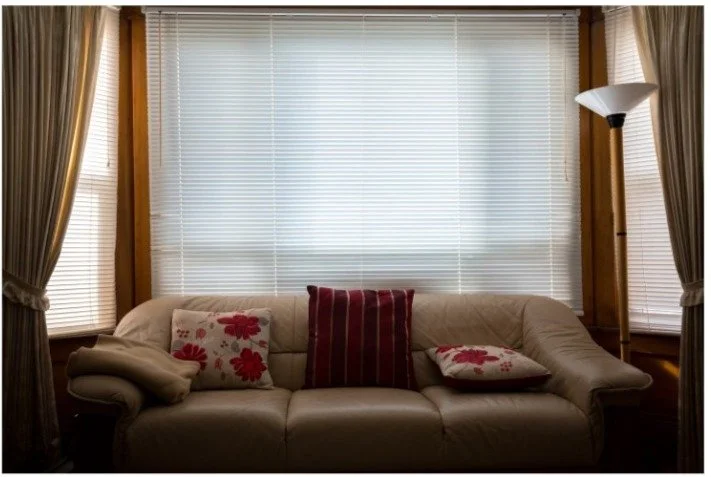
Window treatments are coverings designed to improve both the look and functionality of windows. They include blinds, shades, curtains, and drapes, each serving a specific purpose. Blinds offer adjustable light and privacy control, making them ideal for multi-purpose rooms. Shades, on the other hand, deliver a clean, minimalist appearance and are available in numerous fabrics and textures to suit varying preferences.

Curtains and drapes bring softness and elegance to interiors, providing both aesthetic and practical benefits. When layered with blinds or shades, they can enhance insulation and add depth to the décor. Homeowners looking for a refined, cohesive appearance often choose customised options, such as roller shades, valances, or layered designs, to complement their interiors.

The choice of material has a considerable impact on how well these treatments perform. Fabric remains one of the most versatile options due to its availability in various colors and patterns, though it requires regular maintenance. Wood is valued for its natural warmth and classic beauty, providing timeless appeal to any setting. Metal, particularly aluminium, offers a sleek, modern look with excellent durability, while vinyl provides a cost-effective, low-maintenance alternative suitable for everyday use.

The Impact of Window Treatments on Household Efficiency

The type and quality of window treatments installed in a home can directly influence energy consumption. Windows without proper coverings allow heat to escape during the winter and let in excess warmth during the summer, forcing heating and cooling systems to work harder. This not only increases energy bills but also places unnecessary strain on appliances, reducing their lifespan.

Well-chosen window coverings act as an additional layer of insulation. By controlling the flow of heat, they reduce the need for artificial temperature regulation, promoting a more consistent indoor climate. As a result, households benefit from improved comfort, reduced energy costs, and a more efficient living environment overall.

While aesthetics remain a priority, functionality should not be overlooked. Energy-efficient window treatments contribute significantly to a property’s overall sustainability and can even enhance its value. By combining practical performance with appealing design, they make an essential addition to any modern home.

Creating a Balanced Living Space

Sustainable home design is not solely about selecting the right materials; it involves integrating every element of the home to work together efficiently. Lighting, ventilation, and insulation all play essential roles, but window treatments serve as one of the simplest yet most effective solutions for improving comfort and performance.

Incorporating these treatments into a home’s design ensures a balance between practicality and aesthetics. Homeowners can enjoy natural light without compromising privacy or comfort, all while maintaining an energy-efficient environment. Whether through natural textures or contemporary finishes, modern window treatments elevate living spaces, offering both function and style.

FAQs

Why should homeowners choose sustainable window treatments?
They help maintain comfortable indoor temperatures, reduce energy consumption, and enhance the aesthetic appeal of a home. Their ability to improve insulation makes them both practical and stylish additions to modern living spaces.

What materials are best suited for sustainable window treatments?
Options such as bamboo, organic cotton, linen, recycled fabrics, and responsibly sourced wood are highly regarded for their durability and natural qualities. These materials offer longevity and visual appeal while performing efficiently.

How do sustainable window treatments help save energy?
They function as insulators, retaining warmth in winter and reflecting heat in summer. This reduces reliance on heating and cooling systems, helping to lower household energy bills and maintain consistent comfort throughout the year.