How To Pick An Electric Scooter: 6 Features You Should Look For

Who said scooters are only for children, especially when they are this fun and practical? Not only that, but it’s an easy, environmentally-friendly way of commuting around places you constantly go to like work or errands. Now you can have all these perks by getting an electric scooter, totally suitable for adults. Before you get too excited and jump into a purchase, get to know the main features you should look for while picking your smooth new ride.

1. Safety

One of the main features you should look for while picking an electric scooter is safety. Each model will have its own features that ensure safety so you should look for the one providing the most protection while you’re on the move. The brakes system is the most important part of the scooter that will ensure your safety. There are two types of scooter brakes; mechanical and electronic, and they are equally important to have. You’ll find many models that have a combination of both systems to ensure maximum safety.

2. Tires

Since tires are the component connecting you and the road, it’s a feature you need to pay extra attention to. Electric scooters have two types of tires; solid tires and pneumatic tires. Solid tires are not as good as the pneumatic ones, with the latter having superior riding qualities and supple rubber which works better on any difficult road conditions. They also have the best handling as well as good shock absorption, their only downside is that they require constant maintenance to stay in shape and keep you safe on the road.

3. Speed

You may have heard all of an e-scooter’s benefits. However, there are still other factors to consider before you purchase one. Most people will likely be looking to buy the fastest electric scooter, but it’s important you understand all angles of scooter speed as well. If you’re planning to commute inside the city, it’s wiser to go for scooters with low speeds for an easier and safer commute.

The ideal top speed for electric scooters is 15mph to get you to feel the adrenalin while still being safe. There are, of course, models that go 18mph, 24mph, and even up to 40mph. Like range, speed also depends on factors like weight, motor power, and tires. Don’t get too hung up on speed, even the lowest one will feel like you’re flying compared to walking, car rides, and even cycling.

4. Weight and Size

The right weight limit is another essential feature to look for in an electric scooter. When we say weight, it means both the weight of the vehicle as well as its weight limit for the rider. You don’t want to get a scooter that’s too heavy that when it falls over you can’t lift it back up. Most scooters have a weight limit of 100 to 120 kgs so if that doesn’t suit you, make sure to look for specific models that can support your weight. As for the size, get a unit that is suitable for you so that it won’t be hard for you to store it. The unit you will get should be portable as well since you might have to carry it around.

5. Range

How far can it go? That’s what range refers to when we talk about scooters. Range is the distance it can travel before the battery runs out and needs to be recharged. Some of the several factors that affect the range of a scooter include the scooter and the rider’s weight, speed, motor power, weather, and more. To make sure you pick the right range, stay under the maximum weight capacity and have the precise power output. Remember that long ranges need a bigger battery that can withstand the distance.

6. Motor Power

Almost all electric scooters have at least one motor while more powerful models may have dual motors. The motor power best suitable to you depends on the roads you’re planning to use the scooter on. If you mostly have a smooth road but might encounter small hills, a 250-watt motor will be most appropriate. However, if you take more adverse roads or difficult conditions, go for a 500-watt motor. For pros who go off the road, a 1000 watts with a dual motor is the best fit.
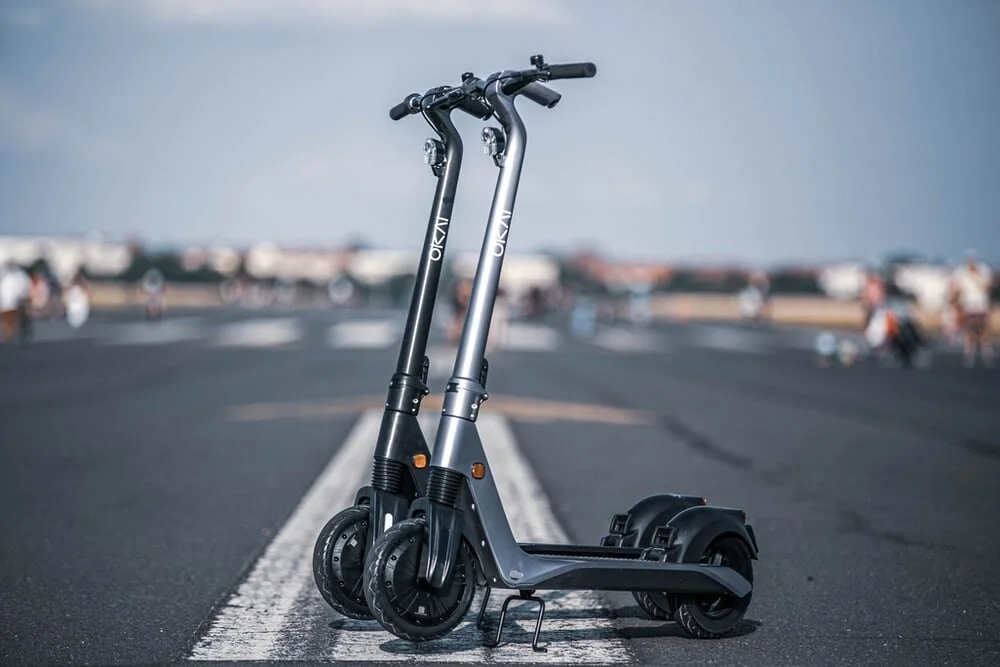
There you have it, these are the main features you should be looking for in an electric scooter. While these are the most essential factors, you should also pay attention to things like the design since you don’t want to buy one that makes you look like a child playing on a scooter. You should also pay attention to things like the height, folding mechanism, and overall build. It’s important that you don’t forget to ensure they have good lighting for safety, as well as just looking cool on the road!


Understanding the Purpose of Endorsing a Check

It’s important to understand the purpose of endorsing a check, in order to protect it from unauthorized signatures. Checks are not a personal form of payment, and they can be used by anyone who has your bank account information. To protect these important financial documents, it's best to endorse them so that only you have access.

What is an endorsement on a check?

Endorsement on a check is the act of signing it. Usually, this involves writing your signature on the back of the check at or near the location where the bank recommends this be done. An endorsement is something you would do if you were authorizing someone else to use your check for a specific purpose. This can include paying a bill, accepting payment from an individual who owes you money, or using your personal identification number (PIN) to access funds in your account. Banks and other financial institutions make it possible for individuals to use checks as part of building credit history and establishing identity verification protocols. Although they are not used much anymore, they are still deemed acceptable ways to pay bills by some businesses as well as government agencies.

How can you do it

You can endorse a check by signing your name on it and writing the name of the person or entity to whom you are giving permission. Be careful not to sign over any of your rights as a check writer because that could affect your ability to cash the check if there is an issue with its validity in the future. If you still feel you don't know how to endorse a check properly, you can look for some information online or ask someone who has done it before. Just remember that you want to make sure the right people are getting paid.

What endorsements do 

Check endorsements protect you from fraud, forgery, and unauthorized signatures. Bank policies require that checks be endorsed by both parties; when a check has been signed by only one party, it becomes void. Endorsing a check must match what is written on it perfectly, including spelling and capitalization. Once a check has been endorsed, its terms cannot be changed without a new endorsement by both parties involved in the transaction.  

What information goes on a check

It's important to know what information goes on a check because the wrong information can lead to problems. Banks will have their own rules governing whether a check is acceptable for deposit into an account. They may or may not accept it if you are using the wrong form of a check or if certain elements of your endorsement are off-base.

Your name

Your full name must be written in ink on the front of the check below where it says "Pay To" and above the location where there is space for your signature (for checks that do not already contain this printed information). The city and state where you write your checks should also be printed on these spaces, so they will be easier to read once someone begins endorsing them. This is important because banks want to make sure that checks are being deposited in accounts that match the location where they were written.

Routing number

Your bank's customer number or routing information goes just below those locations unless you already have your own printed on this area, in which case it should say "for deposit only" so that anyone else cannot endorse checks against your account. It should be signed by you or someone authorized to do so at a designated location to make sure that it's been approved and not forged once someone begins endorsing it. Your check may also contain additional codes, letters, symbols, and numbers above the line for the dollar value of the check. This is part of how banks ensure that written amounts are correct and authorize funds to be moved from an account holder to another person or business once have endorsed the check.

Bank account number and signature

The endorsement must contain your bank account number if you want to use a routing number provided by another financial institution for the purpose of depositing funds into a bank where you do not have one. This is usually done when some other entity will be depositing those funds from their own account and handing them over to you at a later time. You should never endorse checks with your signature only, as it could lead to problems once someone begins using that information to create forged checks on your behalf. Some people like to print their signature onto these spaces instead of signing directly in ink because this helps prevent writing mistakes that would invalidate the check and leave someone open to fraud charges. 

If you didn't know how or why you should endorse a check before reading this article, it would be a safe bet to assume you have now learned the reason for endorsing one. This is a useful check endorsement sample article that provides you with information about how to correctly write on your checks to make sure they aren't taken advantage of by others.

The Importance Of Keeping Your Home Tidy And Organized

If you are like most people, there’s a big chance you spend a huge chunk of your time at home, especially since covid-19 erupted. Let’s look at it this way. You sleep for eight hours, have dinner at home, spend some time with the kids and perhaps watch a movie or read a book before you sleep each day. Give or take, that’s slightly over twelve hours a day at home for the average family man or woman. Now that most people are working from home, the numbers can amaze you.

Point in case, your home should be neat and well organized at all times regardless of how long you spend indoors. This is because your image, health, wellness, and comfort all depend on it. It may also impact your productivity, efficiency, and sanity. To understand the importance of keeping your home tidy and organized, here are some pointers worth taking a gander at.

1. Boosts Aesthetic Appeal 

The last thing you want as a homeowner is to invite some guests over; only for them to find your space looking cluttered and messed up. This is not to mention that sometimes guests pop by unannounced. By developing a routine to keep your home organized and tidy, you minimize the chances of embarrassment. 

You can create an aesthetically pleasing space that you and your guests find welcoming and comfortable. You also won’t have to lie to a guest by pretending you’re out of town while you are actually indoors. 

2. Save Time 

Regular cleaning is part and parcel of keeping your abode tidy and inviting. If it’s cluttered and disorganized, however, cleaning your home becomes harder and more time-consuming. On the other hand, a decluttered space is easier to clean and keep neat.  Therefore, keep your space organized by getting rid of anything you no longer need at the moment.

If you are like many Singaporeans who value their old stuff, you don’t always have to sell your treasured stuff or donate them to charity. You can consult a reputed service provider for storage in Singapore’s CBD area depending on your needs as self-storage facilities are the best because you can access your belongings whenever you wish. They allow you to declutter your space so you can spend less time cleaning and keeping your house neat. 

3. Allows Better Indoor Health 

A neat and organized space is paramount in ensuring good health and hygiene for you and your family. This is because it is easier to keep dirt, dust, and allergens at bay. Combined with regular cleaning and sanitization, the indoor spread of germs can be combated easily. The air you breathe in a tidy and organized space is also fresher and healthier. 

Additionally, neat spaces are less likely to be infested by pests. This is all the more reason to clean your space regularly and avoid congesting it with unnecessary stuff. For the best results, ensure messes are cleared as soon as they happen. Always maintain discipline when it comes to garbage management and disposal.  

4. Improved Safety in Your Home 

Apart from making your indoor space healthier, tidiness and organization can also make your home safer for you and your family. For instance, removing clutter and obstructions like electrical cords can help minimize the risk of tripping, slipping, and falling in the home. This is more so beneficial to kids, pets, and the elderly in the household.

Apart from preventing injuries, keeping your space neat and orderly can also help reduce risks such as fires to some extent. This is because it involves putting everything neatly in its place, including inflammables, sharp objects, and other potential safety hazards in the home.  

5. Improves Comfort and Alleviates Stress 

It won’t go unmentioned that a clean, tidy, and organized space promotes comfort and relaxation. It helps create an environment where the mind can relax and unwind from the daily pressures of life. It helps you live a less stressful life. 

Moreover, the habit of keeping your space neat minimizes the hustles of daily housekeeping chores, making your life less stressful. A tidy and organized space will also help you stay productive when working from home because distractions are fewer and stress triggers are minimized. To stay energetic and motivated, do not let dirt, clutter, and other messes in your surroundings overwhelm your mind. 

Finally, maintaining a tidy and organized home also gives you a sense of accomplishment. You are confident when inviting guests when you’re happy about the look of your surroundings. Hopefully, these tips will keep you motivated to always ensure neatness in your home and keep it organized.

Defective Product Injury: How To Take Legal Action Against The Responsible Party

We are in a period in time where products exist for almost every task you want to perform. We have coffee machines that make us coffee in the morning, we have washing machines that do our laundry for us, we have dishwashers that clean our dishes for us. These make our lives easier and give us more time to do other things we want to do. 

But sometimes, these products can be defective. They can be faulty and impossible to use according to instructions that may have been given when you bought the product. Many times, these faults are covered by warranties and you can easily get another product or a refund if you want.

Then we have times that these defective products become dangerous and cause injuries to those using them. These cases many times are not taken further to the courts and sometimes people are not even aware that they can sue for defective product injury so they just go about their lives with sometimes life-altering injuries. 

Litigation against companies that manufacture defective products will give you funding to take care of any injuries you might have gotten and any time or money you might have lost. It also makes other companies more rigorous with their production processes as a fear of litigation will raise the standards of product designs. 

So, here is a guide on how to take legal action against those responsible for defective products.

Figure Out Who You Are Going To Be Suing

There are little to no differences in state laws concerning who you can hold liable for a defective product. You will want to look at everyone involved in the product’s channel of distribution, from the manufacturer to the distributor, and many times there might be more than one potential defendant. This might seem like a daunting task but Recovery Law Center talks about how important it is to pursue a case even if the first time might be scary.

At the beginning of the channel of distribution is the manufacturer and this can range from a large international corporation to a small business owner. These are one of the people you will bring a case against.

If the product has a defective component that caused your injury, you will include the manufacturer of the product and the manufacturer of the defective part. You should also add the other parties who can be linked to the product especially if they are independent of the manufacturer. 

The retail store where you bought the product may be liable for selling you a defective product so they too should be added to your lawsuit. It is important to keep in mind that you must not be the buyer of the product to sue, even if you borrowed the product from someone to use, you can sue for damages. The more defendants ensure that you get paid in the eventuality that you win the lawsuit. 

Find Other People Who May Have Suffered Injuries 

The more people you can involve in your case, the stronger it will be. Chances are a defective product is not just a lone case, we have situations where more than one person has complained of injuries from a particular defective product and once you find them you can file a class action suit solidifying your case. 

This will also build a case for the recall of the product so nobody else will get injured. 

Get An Attorney

When all is done, you should get an attorney that specializes in dangerous and defective product cases. This attorney will help evaluate your case and find out if your claims are strong enough. They will also help build your case by emphasizing specific aspects and dropping issues that might question the legitimacy of the case. 

The attorney will also take over the research process and plan a legal strategy that you most likely will not be able to come up with on your own. If your case is strong enough, you most likely will have your legal fees covered as part of the settlement the court might order the defendants to pay you. 

These are just the basic steps to take legal action against manufacturers of defective products. It is also important to pick your battles as some claims are best not pursued due to the type and amount of damage done because it may not make sense to pursue such claims as you may spend money, time and energy only to have them thrown out. 

Common Car AC Compressor Problems That You Need to Be Aware Of

During summer, it becomes extremely hot inside the car, especially if it was parked in the sun for a long time. That is why the car’s AC must be working perfectly to stay cool and comfortable while driving. The compressor is an integral part of the car’s AC system, and any malfunction will considerably affect the AC’s performance. In simple terms, the compressor is responsible for cooling the air that goes out of the vents on the dashboard. The AC has several components that can go bad and affect its performance, but you should know the common problems of the compressor to fix it as soon as possible.

Air Is Cool but Not Cold

When the compressor is not working properly, the air coming out of the vents will not be as cold as you expected. There can be various reasons behind this problem, either the refrigerant level is low, the refrigerant is leaking, or the compressor is damaged or gone bad. If the compressor fails to cool the air, it can’t regulate the refrigerant flow properly in the AC system. The compressor can be fixed, but it will have to be replaced if it has gone completely bad.

No Hot Air Is Being Released Outside the Car

Have you ever stood beside your car while the AC is running? Most probably, you felt heat coming from under the car, and that is what compressors do. They take hot air from inside the car and release it outside to replace it with cool air. A refrigerant leak will cause this problem, as well as a faulty compressor. Feeling no hot air being released outside is an early sign that the compressor has a problem, so check it with your mechanic as it can be fixed if the problem is still in its early stages.

Compressor Clutch Is Not Working

When you turn on the AC, the compressor doesn’t keep working all the time. The part responsible for turning the compressor on and off when needed is the clutch; it connects and disconnects the compressor from the engine power. If you don’t know how to test an AC compressor clutch coil, it is best to go to a mechanic to look at it. The good news is that if the clutch isn’t working properly, it can be replaced without replacing the whole compressor. However, in some cases, the clutch and the compressor will be faulty, and you will need to replace the compressor.

Loud Noises Under the Hood

It is normal to feel the car produce slightly louder noises when you turn on the AC. However, if the noises become much louder and stranger when the AC gets turned on, then there might be a problem with the compressor. The car AC compressor consists of several components, and a sealed bearing allows it to turn. The loud noises start when any of these components or the sealed bearing fail or break. Changing these parts is not the best solution, as they may break again; it is better to change the whole compressor.

Weak Airflow

As discussed before, the compressor lets the cool airflow inside of the car. If you have recently felt that the airflow is getting weaker, it is an early sign that the compressor is going bad. Put your hand in front of the dashboard vents and check if the airflow is like before or is reduced. It might be difficult to notice the difference if you didn’t check the airflow before. The mechanic can tell you if the compressor is not working properly or if there is another problem.

Car AC Compressor Replacement Cost

The compressor is an essential part of any car to make the AC system work seamlessly, and that’s why the cost of replacing it can be quite high. On average, a whole new compressor costs from $800 to $1,200, while the components can range from $650 to $1,000. Keep in mind that you will also add labor costs, around $150-$200. That’s why it is essential to take care of your compressor to avoid any unnecessary costs.

Knowing the common car AC compressor problems allows you to detect them early and fix them timeously to avoid replacing the whole compressor. If you feel the air coming out of the dashboard vent is not cold enough, or the airflow is weak, you should check the compressor at a mechanic. Regularly maintaining your car will reduce the risk that any parts, especially the compressor, will go bad.

Purchasing a Home Safe? Here are Some Buying Tips

Your home should be the place where you feel safest and most comfortable. People often store their most valuable items in their houses where they can be certain they are secure and easily found whenever needed. However, if your home is always open for different people who come in and out all the time, then it will not hurt if you take your security measures to the next level. You do not have to be any less of a welcoming host or a friendly employer in your own home but you can take your own safety measures to protect your most valuable items by investing in a safe. Here are some tips to help you find and buy the best safe out there for your needs.

Decide on a Size

When it comes to buying a safe to store your valuables, the first thing you must ask yourself is how much you want to store and how big of a space will the items need. Once you decide on the number of items you want to keep secure in a locked space, you should start looking for suitably sized safes. Deciding on the size from early on will save you the hassle of having to go around numerous shops looking at endless numbers of safes without managing to narrow down your choices. If you know that your valuables will not take up too much space, then a small safe that you can store in your closet or any secure location in the house should do the trick. However, if you are looking to save some larger-sized items in your house, then you will need to find a proper location in your place then start shopping for a properly sized safe accordingly.

Check Different Types

Many people think that all safes are exactly the same, and this cannot be any further from the truth. In concept, all safes are considered secure locations where you can store your most precious items. However, there are various different types of safes according to USA Safe & Vault, that differ according to security capabilities and the material. This is what makes the gadget what it is in the first place. It all comes down to the kind of security you are looking to get and what you need to keep inside the safe.

There are traditional types that still work with a lock and key in the simplest of manners. However, there are also more advanced safes that work with smart technologies like fingerprints or facial recognition to add an extra element of security. Decide on what your needs are and be as realistic as possible before settling on what type is most suited for you.

Set Yourself a Budget

Before you set out on your safe shopping adventure, you will need to set yourself a decent budget in advance. This will help you narrow down your research without going over or under your own financial limits. You may need to do some research first to see what the prices of safes on the market are like, but do not skip the budget setting as it is quite essential in the picking process. Knowing what you can and cannot afford will help you choose the features of your desired safe accordingly without being easily swayed by salespeople trying to get you to put in extra money for things you do not necessarily need.

Ask About Accreditation

All safes go through an accreditation process by the relevant authorities to ensure they meet the necessary security standards for public use and investment. This accreditation helps protect consumers from unreliable products that may not provide adequate protection for their valuables. This is especially important when purchasing quick-access handgun vaults, as they need to offer both security and rapid accessibility in critical situations. Before making your purchase, always ask the vendor about the accreditation of the product to ensure it meets industry standards and provides the level of protection you need.

See Practicality

As you try to decide on the right safe to buy for your home, you will need to think of how practical it is to use, not just how much security it offers you. There are lots of safes out there that can be extremely secure to use and can save all your valuables without any risks. However, many of them may be quite tricky to use and can be quite a hassle, especially if you need easy and regular access to your belongings. This is why you should always find the right balance between security and practicality in the use of the product you invest in.

Purchasing a home safe can be one of the best investments you make. You will need to do some research before settling on the right product to get the most rewarding results. Remember to set yourself a budget and look for practical options so you can make the most of your investment.