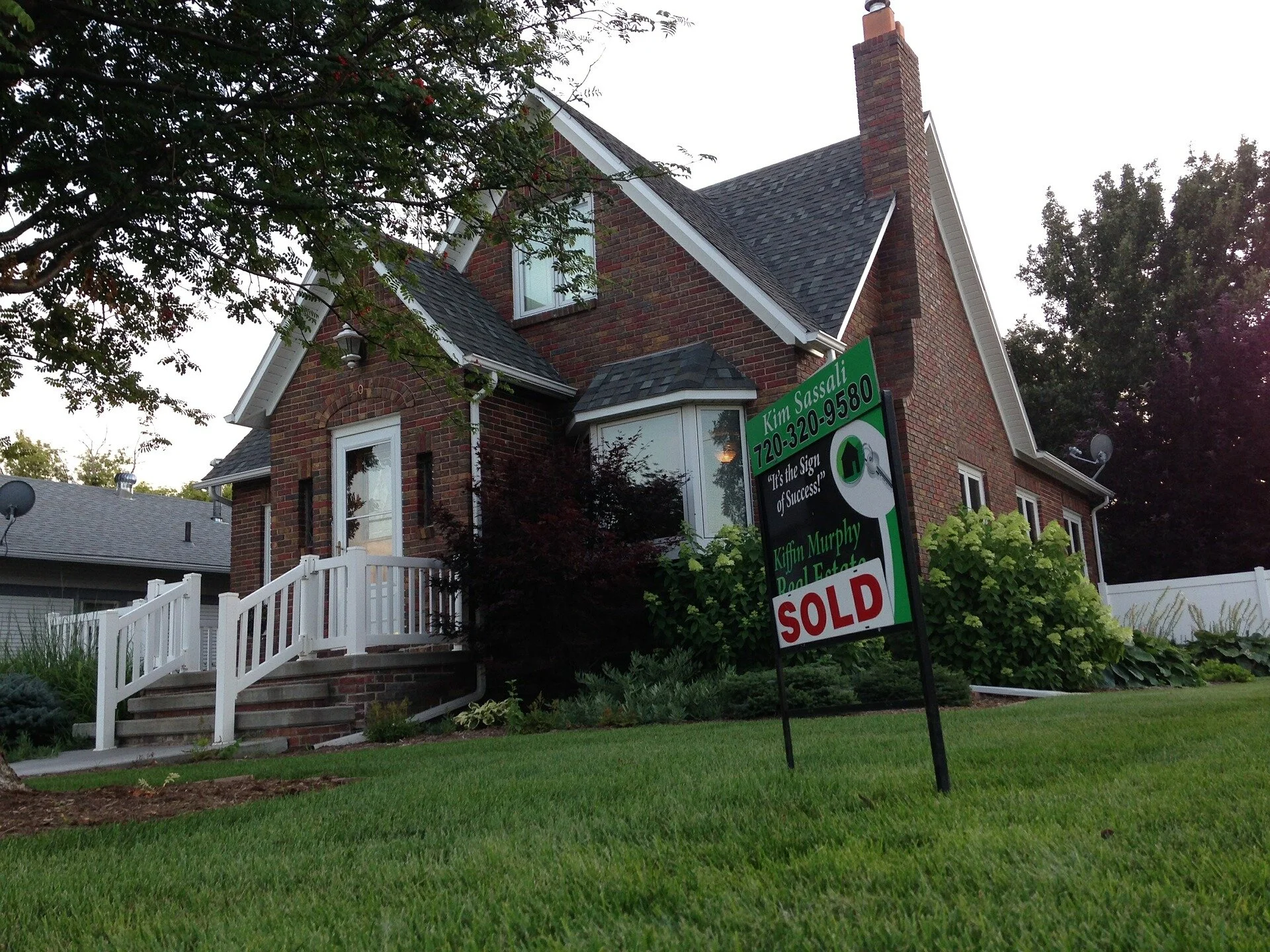
Homeownership is a huge financial responsibility. That responsibility stays with you a long time and can be quite costly the longer it takes to pay off a mortgage. It is best for both your money and mental reassurance to settle your payments as early as possible, and here are some tips to help you do so.
1. Smart Budgeting
Budgeting is the first thing that you should do when you are trying to pay off your mortgage faster. It is essential to any sort of financial planning and management that you take the time to outline your income and expenses and understand where your money is going. With proper budgeting, you will be able to outline a timeframe in which to create a target goal of having your mortgage or any expense paid off. Once you have created your budget, you can begin allocating money, making adjustments, and creating a plan of action moving forward.
2. Making Extra Payments
Refinancing your mortgage to increase your payments is the best way to pay off your mortgage faster. Once you have done the budgeting and financial planning you need to assess your situation, you want to be able to put as much money that you can into paying off your debts. Jake Taylor highlights the importance of making extra payments and can show you how to pay off your mortgage sooner with crucial information. Even if you cannot make consistently increased payments, any extra money that you pay will help cut down the time it takes. This helps you get rid of mortgage insurance which can add thousands of dollars to the bottom line in which you are paying. The faster you pay off your mortgage, the more you save on interest fees.
3. Cutting Out Unnecessary Expenses
Once you have a grasp of how your money is functioning, one of the first steps that you can take to help pay off your mortgage is dividing up your expenses into categories of necessity and unnecessary expenses. Things like rent, insurance, food, and utilities are necessary while expenses tied with going out, and accumulation of things can be deemed unnecessary. Considering this, adjusting your lifestyle to cut out things that you don’t need or making adjustments can help save you money. Making adjustments is crucial. Yes, eating is important but instead of eating out, preparing meals, and buying in bulk will help you cut down on your spending.
4. Increase Your Income
If you are finding it difficult to cut out or cut down your expenses, another option that will help you pay off a mortgage faster is by increasing your income. Seeking out a raise at your current job, or even looking at taking on another job in your spare time can provide you the extra income to help pay off your debts. There are many options out there that provide flexibility so even if you don’t have that much spare time on your hands, an extra hour or two a week will add up. Aside from looking for another side job or asking for a raise, there are passive ways to help you generate income. From investing in passive jobs like photography, you can earn money in many ways. This just varies in terms of initial investments of time, effort, and money. You will need to consider what best works for you, your time, and the current situation.
5. Bonuses, Tax Returns, Windfalls
Sometimes, you will find yourself in a pleasant situation where you receive extra money. These can occur as a result of bonuses from work, your tax returns, or inheritances. Whatever the case may be, it is best to use any money that comes your way by helping pay off your mortgage. It will seem enticing to use that money to enjoy yourself with gifts or trips, but you will reap the rewards in the long run by avoiding interest fees and the extra stress of prolonged payments.
6. Downsizing
Another option to consider in helping you pay off your mortgage faster is through downsizing. Whether you choose to downsize your living situation or adjust your lifestyle, there are ways in which anyone can utilize a bit of minimization in their life. Not everyone will feel this way as people may be set in their lifestyles and it definitely won’t be an easy adjustment. Making small alterations can help. Instead of having to sell your car to cut out insurance or leasing costs, maybe cutting down on the number of trips you take, taking public transit, or asking to work from home once a week as a means to save on gas can help you start. If you have too much space in your home, but don’t want to sell it and move into a smaller place, you can choose to rent your space. Making these adjustments doesn’t have to be permanent either, just provide you the extra benefits until you are paid off.
7. Financial Planners Or Consultants
If you are having extreme difficulty with managing your finances, but you are motivated to pay off your mortgage, you should seek out the help and advice of a financial planner or a consultant. They will provide you assistance to go over your finances and provide you the guidance in order to help cut down your mortgage length. This will cost you money, but if you are unable to handle your expenses on your own, this can help save you money in the long run.
8. Understanding What You Can Afford Prior To Mortgage
You should always be making financially sound decisions with your money, especially when it comes to large purchases like a home. Putting a large down payment or paying off your home immediately will prevent you from incurring any costs in terms of interest or home insurance fees. It is not always viable to do so, but you still need to consider that if you can wait and hold off on any large purchases before building enough equity to do so will put you in a better and more stable position for the future.
Owning a home comes with a lot of stress. One of the ways to cut down the stress is to be able to pay off your mortgage, cutting out one extra factor that you have to keep track of. This will free up your mind, and your money to enjoy other facets you want in life.