Preparing to Buy Your First Home

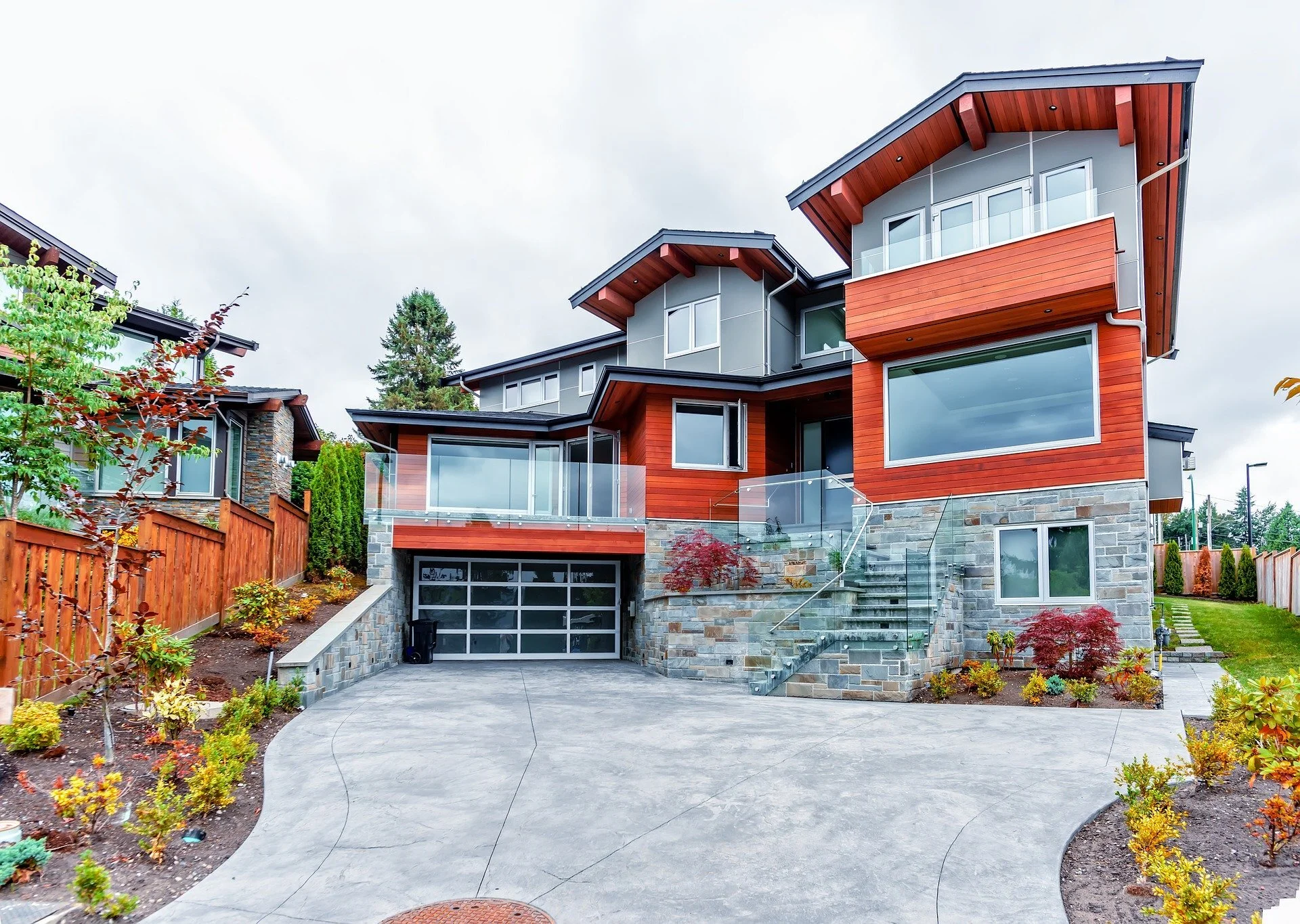
Dipping your toes into the world of real estate can be a huge decision to make. After all, buying your first property is always going to be a big life event and one that will solidify your status as an adult. But what exactly should you be investing and looking for when you buy? Assuming you have worked out all the financial details and legalities. The biggest thing you need to do is make the offer and sign on the dotted line.

home-real-estate-106399 (1).jpg

Image Credit: Pexels CC0 license

You want to be sure you have made the right choice before you go into escrow. Whether this is your first starter home before you upgrade or you are buying for the long term and wanting to make roots and settle here for many years to come. 

Location, Location, Location.

It matters far more than you may think it does. You may think you will live wherever you can afford, but you need to make sure the location works for you. Even in terms of narrowing down your property search.

Think to transport links for work, school districts for children/future children. Local amenities are also a big thing to check out, some people may love the idea of living in a thriving city, but others may prefer the quiet of more rural areas. Take into account the average cost of houses in your area as well as taxes if you are moving to a new state to make sure you know exactly what you can expect from your money and don't overstretch yourself.

Property.

Have you thought about what type of property you actually want to buy? Most people think owning their home is a house. But there are so many different options to choose from. Do you want to live in a community where your lifestyle is catered for such as those from Roger O'steen of Jacksonville or do you want a house with a white picket fence in suburbia? 

Think about your life as it is and why you are buying the property to help you decide exactly what property you want to buy. Be it an apartment, house, condo or you choose to build your own and buy a plot of and to get you started.

What You Want 

Buying your first property is a big thing. Be sure of exactly what you want from the property before you take on this kind of debt. The average mortgage is around 25 to 40 years and that is a long time to pay for something you are not quite happy with.

Be confident in why you are taking this step and don't negotiate on this. Sure, you may find you are compromising on the small things but if you are after a forever family home, don't let others sway your decision to buy something else that doesn't fit in with your plan. This includes buying a house that goes over what you can realistically afford or even needs more work than you can afford to take on.



Spring Cleaning Tips to Help Prolong the Lifespan of Your Fence

Your fence is something that once you put up you probably don’t pay much attention to. A fence provides you with privacy, helps keep the kids and pets in the yard safe, and even adds a sense of design depending on the fencing you chose. And while your chain link fence company will have put a lot of effort into putting it up correctly, homeowners don’t often continue to give that same level of attention throughout its lifespan!

person-916181_1920.jpg

Here’s the thing, did you know that by giving that attention to your fence and using some basic spring cleaning tips each year, you can actually prolong the lifespan of your fence? Not to mention you’ll also be making sure it stays looking fresh and new. These spring cleaning tips will provide you with all the information you need to maintain a great looking fence.

Watch For and Remove Overhanging Trees and Bushes

As your yard matures each year and the trees, bushes, and shrubs you have planted continue to grow, it can get to a point where they start to push against the fence. The weight and force of these plants and trees can end up causing damage to the fence, and in severe cases, even knock it down. So it's good to trim back overgrown greenery each spring to ensure the fence will have enough room.

Get Rid of Debris

You will also want to do a very simple clean-up in which you remove any debris that may have collected on or in between the fence rails.

Walk the Perimeter of the Fence Looking for Damage

Now that the debris is cleared, and the greenery has been pruned, you'll have the ability to walk the perimeter of the fence looking for any signs of damage. If you find any areas that require repairs, they will need to be addressed as soon as possible.

Give the Fence a Good Washing

Of course one of the most satisfying spring fence maintenance tips is giving the fence a really good wash. This is what takes it back to that like-new condition and helps to maintain its integrity. Experts suggest that your fence should actually be washed two times a year, so a good schedule to follow is in the spring to get everything looking great, and in the fall before the cold weather sets in. 

To wash the fence, you'll need a gentle cleanser that is free of dyes and harsh chemicals. It just needs to be able to wash away dirt, dust, debris, and bugs. For wooden fences, you can use a soft cloth or a soft bristle brush to clean it. Vinyl fencing can benefit from a magic eraser type product, whereas a chain-link fence typically just needs to be hosed down with the garden hose or a pressure washer. You can also check out Hotsy of Houston for more information.

What if You Have Mildew?

For those with vinyl fencing, you may run into an issue with mildew forming on the fence. To get rid of that you can use a homemade solution of laundry detergent, sodium hypochlorite (Clorox), trisodium phosphate (Soilax), and water, or you can always use a vinegar and water solution.

By following all of these tips, you’ll be ensuring your fence stays in tip-top shape.

5 Questions You Should Always Ask An Architect

Many of us are using the COVID-19 lockdown as an opportunity to take stock, to reassess, to prioritize. And, of course, to spend a lot of time at home. No matter how hard you work on your home, no matter how much effort you channel into making it beautiful, comfortable and practical, it’s perfectly understandable that you might have nagging doubts. They say that familiarity breeds contempt, and while that may be a trifle extreme, it’s fair to say that the imperfections in your home may seem all-too glaring when you are only able to spend a very limited amount of time away from your home.

Screenshot of 5 Questions You Should Always Ask An Architect - Google Docs.jpg

In many cases, a few interior design flourishes will be enough to reinvigorate your home and give it a new lease of life. In some cases, however, you may need to make more fundamental changes to your home if you want to increase its value and make it feel brand new.

How an architect can help

An architect can help you to transform your existing home into your dream home. They will listen to your needs, goals and desires for your home and handle the logistics, planning and building code compliance issues in order to make your dream a reality. In an era where home architecture is changing, an architect can help you stay ahead of the curve and maximize your Return On Investment.

But how do you know you’ve found the right architect for you? Here are 5 questions you should ask…

What is your signature style?

Some architects are chameleonic in their approach, while others have a signature visual style and flair that is present in all their work. Neither approach is inherently wrong or bad, but one might be a better fit for your specific needs than the other. 

What excites you about this job?

Passion is essential in any profession. A great architect will be excited by the possibilities and challenges that your project represents. If they reel off a laundry list of challenges, that’s not necessarily a bad thing. It shows that your architect has a proactive mindset and are constantly striving to push themselves. 

How does this compare to similar projects you’ve done?

An architect’s website, even one that you can build with an architect WordPress theme can show you a great deal about what you can expect from their input on your project. Check out Detroit based firm Neumann / Smith Architecture for a good example. If you can see images from a similar project that interest and excite you, this is a great sign. However, if they don’t have the images on their website, that doesn’t mean they haven’t tackled a similar project before. Ask them and they may be able to show you images and / or renderings from the project.  

Which contractors do you recommend?

An architect’s vision relies on the right contractors to bring it to life. Asking them their recommended contractors nice and early will allow you to do your due diligence on them so that you can be sure that they feel like a good fit for the job. 

How do you charge?

Finally, knowing how your architect charges is essential in keeping your project’s budget under control. Architects will usually charge a percentage of the total project cost upfront. This could be between 5% and 20%, depending on the scale of the project and / or the architect’s reputation. The more you know, the better you can plan your finances accordingly. 


7 Reasons Why You Need Personal Property Insurance

Personal property insurance is a broad term for a cluster of insurance policies that center on safeguarding personal property. Home insurance and renter insurance are part of personal property coverage.

Personal property insurance covers all personal belongings in the house. It also covers damage or loss of items your guests might have temporarily left in your home. The only coverage exception is a high-value property and anything covered by a separate insurance policy, like vehicles.

Here we’ll expound on the reasons why you need to get personal property insurance.

Why Is Personal Property Insurance so Important

There are lots of property insurance policies, but the most common are home insurance, renter insurance, and flood insurance. If you’re still debating on whether you should get property insurance, here are a few reasons why you should:

1. Covers Many Calamities

Personal insurance covers many home calamities, for instance, if your house catches fire or if a tree falls on your house. With home insurance, you don’t have to worry about repair costs or any related costs because the insurance will take care of everything after you pay your deductible. If you experienced a fire you should get advice from them.

2. Safeguards Against Thefts

Break-ins are common in many neighborhoods. Apart from losing your personal items, you also have to repair the damage from the burglars. Theft can be a real issue, especially when you lose work-related stuff like important work-related info on your laptop.

3. Some Policies Have Liability Coverage

It may not seem so important, but liability coverage will come in handy when you least expect it. Your property could damage someone else's stuff. For instance, if your home collapses on a neighbor’s car, you could be responsible for the repairs.

Property insurance will help you avoid the flurry of lawsuits that follow an incident like this. Some even cover accidents by your family members on neighbors’ properties, for instance, a soccer ball breaking your neighbor’s window.

This insurance also includes injury liability, so if anyone other than your close friends or family gets injured because of your property, then the insurance will cover it. If it’s your family members, then your health insurance will take care of it.

4. Property Insurance Is Affordable

You don’t have to worry about the cost of personal property insurance. It is among the most affordable insurance policies, with great benefits for a small amount of money.

5. Covers for Accidents

Sometimes, you may accidentally damage your property. So apart from natural disasters, this insurance also covers accidental damage to your property.

6. It’s Very Versatile

Personal Property insurance denotes a group of insurance policies. So they apply to many situations, and you can find that is right for your situation.

56 percent of the respondents in a 2017 survey believed that their standard home policy included flood and earthquake damage. However, flood insurance and earthquake insurance are separate policies.

7. Covers Living Expenses When Home Is Uninhabitable

After a disaster, you may have to rent out a place temporarily before you get back on your feet. This insurance will cover your expenses while you restore your life.

Property Insurance Is a Necessity, Not a Luxury

Don’t second guess whether you need insurance property because it’s definitely worth it, especially for people who live in flood or earthquake-prone areas. With very affordable premiums, it does not make sense not to opt for personal property insurance.

You can check out our other articles for more enticing reads about real estate.

Simplify Your Search for the Perfect Home

Finding the perfect home isn't usually something that you can do quickly. You might not even think that it's possible to find a property that's perfect for your wants and needs. It can be pretty stressful trying to look for your perfect new home, especially if you have to deal with selling your current home at the same time. It can be a more complicated process than you want it to be, and that's just the part when you're trying to find the right property. You still have to deal with the finances, paperwork, and more after that. To make your search for your dream home easier, try these simplifying steps.

balcony-3009152_1920.jpg

Know What You Want

Knowing what you're looking for in your perfect home is the first step to finding it. Everyone has must-haves that they don't want to compromise on, as well as things that might be nice to have but aren't essential. Defining your wants and needs will give you a starting place so that you have a set of criteria to use. It will help you narrow down the properties that you want to inquire about when you're browsing, and help you to make a final decision if you're trying to decide whether a property is right for you.

Stay Flexible

Although it's important to define what you need, it's also worth keeping an open mind. If you're too exacting in your search, you might never find something that works for you. When you're looking for the right property, it's fine to have things that you won't compromise on, but you should also be prepared to be flexible where possible. Before you start looking, consider how much work you're willing to carry out on a new home, and how much you might want to spend. Whenever you view a property, go into it with an open mind, and you could discover something unexpected that you didn't know you wanted.

houses-1150022_1920.jpg

Get the Right Professional Help

You can try to find a property without help from anyone else, but you certainly don't have to. In fact, it's much better to get help from someone who knows the area and can find you the best potential properties. It will save you a lot of time and make it easier to find properties that suit your criteria. You can benefit a lot from the skills and knowledge of your local realtor, who will do all that they can to help you find the right property. They can also provide other services to make the process of buying a home simpler. They can assist with negotiating, legal issues, and more.

Stay Organized

As you start to look at properties, you can quickly start to get in a mess if you don't keep things organized. You might lose track of that ideal property you found online or miss a viewing because you forgot the date. Staying organized will make it easier to keep everything on track and ensure you can find your perfect property. It can help to keep a folder with information, whether it's a physical folder full of paper or a folder of bookmarks on your browser. A spreadsheet can help you to keep track of everything, and you can keep a calendar of any important dates.

home-1682316_1920.jpg

Get a View of the Neighborhood

When you're trying to work out if a property is worth viewing, getting a good idea of the surrounding neighborhood first can be a useful tactic. You can go and take a drive or walk around, but there's not necessarily and need to do that. You can find out plenty of information about a neighborhood simply by researching it online. Look up local amenities and crime statistics, take a virtual walk through using Google Street View, and look at images of the neighborhood. Keep in mind the essential things that you need to access, such as schools and grocery stores.

Think of the Future

If you want to find the right home, you should be thinking long-term. You might only be thinking about staying for a few years, but most people don't want to move too soon after buying a new property. By thinking about what you want from your home not just now but in the future, you can find a home that will suit you for longer. Consider how you might be able to alter a property as your needs change to ensure it remains suitable for you.

It doesn't have to be complicated to find your perfect home. You can make it simple with the right techniques.